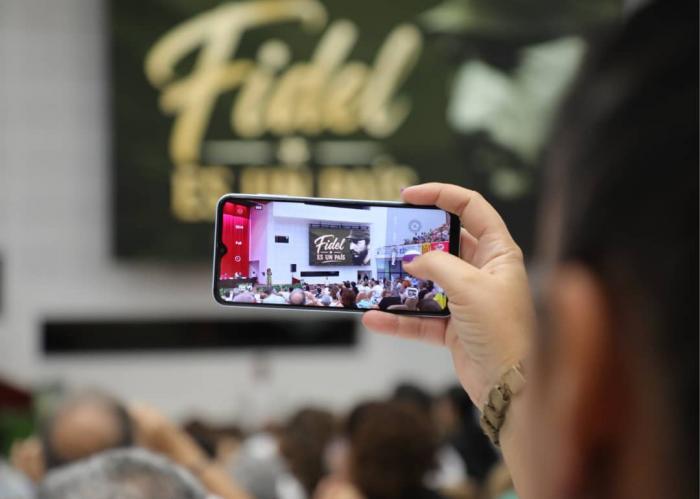
As Cuba prepares to mark the 100th anniversary of the birth of its iconic revolutionary leader Fidel Castro, the island nation’s capital is set to welcome global participants for the opening of the inaugural international colloquium titled *Fidel: Legacy and Future* this Monday at the Havana Convention Center. Organized by the Fidel Castro Ruz Center in partnership with leading Cuban academic and cultural institutions, the four-day gathering will run through August 13, bringing together a diverse cross-section of global stakeholders to examine the lasting impact of Castro’s life work and ideological framework.
Attendees will include historians, social science researchers, university academics, current and former political and social leaders, diplomatic representatives, international journalists, university students, and longstanding allies of Cuba from every region of the world. Over the course of the event, participants will engage in structured discussions focused on unpacking the enduring relevance of Castro’s legacy, and exploring how his core ideas can be applied to the most pressing social, political and economic challenges facing the world today and in the years ahead.
The event’s full programming covers a wide range of structured engagements beyond plenary discussions. A dedicated convening of Fidel Castro Ruz Chairs will bring together leading scholars who hold academic positions focused on Castro’s work, while a standalone symposium will examine the broader historical legacy of the Cuban Revolution. Targeted sectoral forums have also been organized to center the perspectives of youth, women, parliamentary representatives, artists, intellectuals, and global social movements that advocate for human-centered progress.
Key thematic topics on the colloquium’s agenda span multiple dimensions of Castro’s ideological contributions. Sessions will dive into his political, social, internationalist, and humanistic thought; trace his far-reaching influence on 20th and 21st century global geopolitics, national liberation movements, and the development of collective identity across the Global South; and assess how his ideas remain a critical framework for confronting modern challenges including imperial aggression, systemic global inequality, accelerating climate change, and the ongoing fight to defend global peace and national sovereignty for all nations.
Unlike traditional historical conferences that focus solely on retrospective analysis, this inaugural colloquium is designed to create a deliberate dialogue between Castro’s century-old ideas and 21st century global struggles. Organizers emphasize that the event’s core goal is to preserve Castro’s thinking as a living, actionable reference point for contemporary movements advancing social justice, national self-determination, international solidarity, and universal peace through open cross-border exchange.