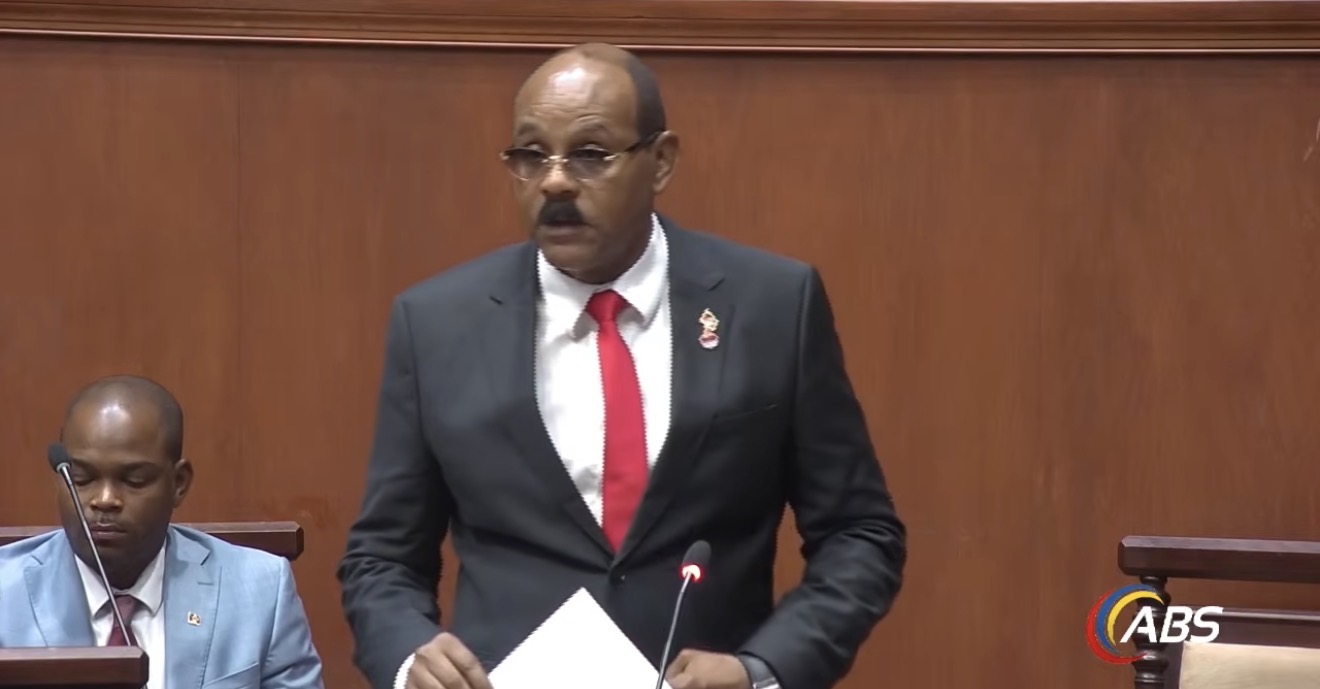
Amid growing public concern over surging violent crime across the nation, Antigua and Barbuda Prime Minister Gaston Browne has outlined a bold, multi-pronged plan to address gun violence and recidivism, calling for stricter, more proportionate prison sentences for firearm offenses and persistent repeat offenders. Browne made his case during a high-stakes national security convening that brought together top leaders from the country’s law enforcement sector, where he pulled back the curtain on a gaping flaw in the current justice system: individuals convicted of severe gun-related crimes are often walking away with sentences of just two to three years, even though existing legislation authorizes penalties as harsh as 15 years for the most serious offenses. In his remarks, Browne emphasized that the constitutional independence of the judiciary remains a non-negotiable cornerstone of the nation’s governance, but argued that systemic gaps in cross-sector collaboration are holding back efforts to curb rising violence. He specifically called out what he labeled a harmful “revolving door” pattern that plagues the system: repeat violent offenders are repeatedly arrested, serve short custodial sentences, are released back into communities, and promptly go on to commit new crimes. To break this damaging cycle, Browne is pushing for two complementary changes: harsher, lengthier sentences for dangerous repeat offenders when public safety demands it, paired with a dramatic expansion of rehabilitative programming to address the root causes of recidivism. A core pillar of his proposed reform framework is mandatory vocational and trade training for incarcerated people, with a particular focus on repeat offenders who lack marketable job skills that would allow them to build stable, legal lives after release. Browne also floated a proposal to allow eligible low-risk inmates to contribute to public national projects, including routine cleaning and maintenance of parks, streets, and other public spaces, as a structured, purpose-driven component of their rehabilitation. To help judicial officials make more informed, context-aware sentencing decisions, Browne urged national law enforcement agencies to proactively share complete criminal history records and other relevant background information with courts when handling cases involving repeat offenders. Looking ahead, the prime minister confirmed that the national government will continue a comprehensive, ongoing review of its crime prevention and response strategies, with the explicit goal of striking a fair, effective balance between three core priorities: deterring future criminal activity, rehabilitating offenders to prevent reoffending, and protecting the safety of the general public.
PM Browne calls for tougher sentences for gun crimes and repeat offenders