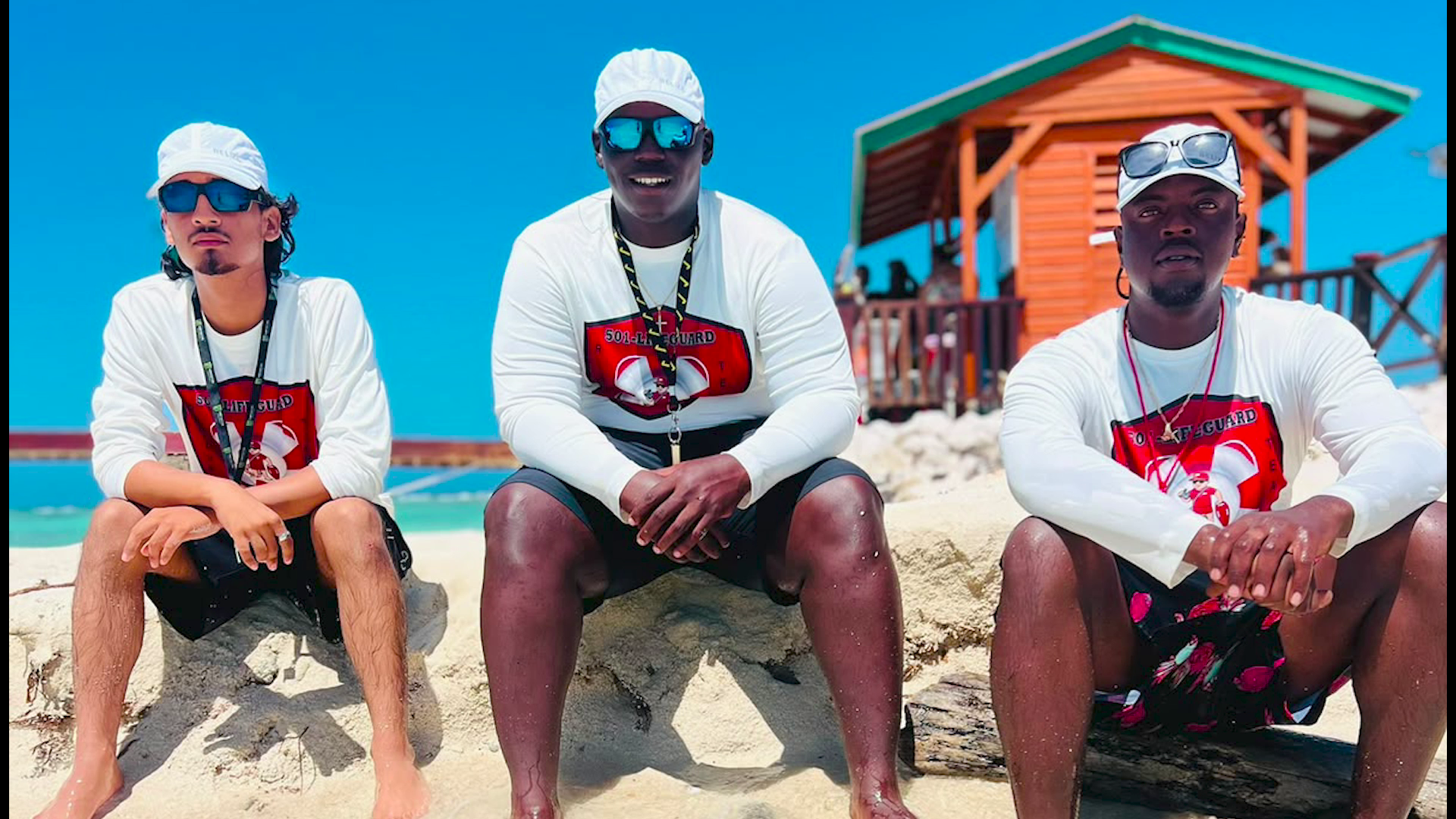
On a Friday in August 2026, a group of young, trained lifeguards from Belize’s 501 Lifeguard Rescue Team answered an urgent call that would leave a lasting emotional mark: a 13-year-old special needs teenager, identified as Xue Liu, had disappeared under the surface of the Belize River after fleeing an attacking swarm of bees. What followed was three and a half hours of grueling work against harsh conditions, as the team pushed through murky, fast-moving water in a desperate bid to bring the teen home alive. The search ultimately ended in tragedy, when the rescuers recovered Liu’s lifeless body, a outcome that still weighs heavily on the young team days later.
Even amid the danger and heartbreak, the dedication of the rescuers has stood out. Sixteen-year-old Shaun Eck, a high school student who joined the search, cut his foot on an underwater wire holding loose stones within minutes of entering the river. Instead of pulling out to seek treatment, Eck chose to stay and continue the search, saying his team needed extra support and his training prepared him for the challenge. “I didn’t feel the injury at the time, so I just had to push through and do my job,” Eck explained.
For these young men, rescue work is an extension of the community-focused swimming instruction they provide through Coach Andrew Swimming Club, where they spend their summers teaching children — including kids with special needs — how to be safe in the water. Eck himself learned to swim through the program, and now he works alongside the instructors who taught him: head coach Andrew Gentle and coach Tevon Conorque.
Gentle, who launched the club’s public classes in 2014, says his commitment to patient, inclusive teaching grew from watching his mother work for 18 years at Stella Maris School, a local institution serving students with disabilities. The club travels across Belize to partner with community organizations including the Hub and YWCA, operating on the core belief that every child, regardless of ability, can learn to swim. That philosophy has earned deep trust from families: Rhonisha Waight, aunt of 7-year-old autistic student Alistaire Gillett, says the instructors’ approach has helped her nephew make incredible progress. Learning to swim is not just a fun activity for children with disabilities, Waight notes, it is a critical life skill that empowers them when caregivers cannot be nearby.
Conorque, who has worked with the program from its early days, says the work is deeply rewarding. “Some of them might not learn right away for the first class, but due to muscle memory and the strength they gain as they get older, they learn,” he explained. “For me, by the fact that I could give a kid the skill of swimming that makes me feel happy, because probably in the future I save that kid’s life.”
That same drive to protect the community led the team to join the Belize Coast Guard for the search operation on the Belize River. Even with professional training and prior experience responding to drowning incidents, recovering the teenager’s body was an unprecedented emotional blow for the group. Conorque admitted he felt “a bit lost” in the immediate aftermath of the recovery; while he had prepared himself mentally for a potential negative outcome, the experience was still disorienting. For Eck, the tragedy hit especially close to home: “It hurts to think about because I also have a sister, siblings close to that age. So it really hurts me, especially since I saw it firsthand. But I am getting through it slowly, which is good.”
Despite the heavy grief the team carries from the incident, their commitment to serving Belize’s local community has not wavered. They have returned to their swimming lessons, continuing to teach young people critical water safety skills one class at a time, guided by the same compassion that pushed them into the dangerous river last Friday.