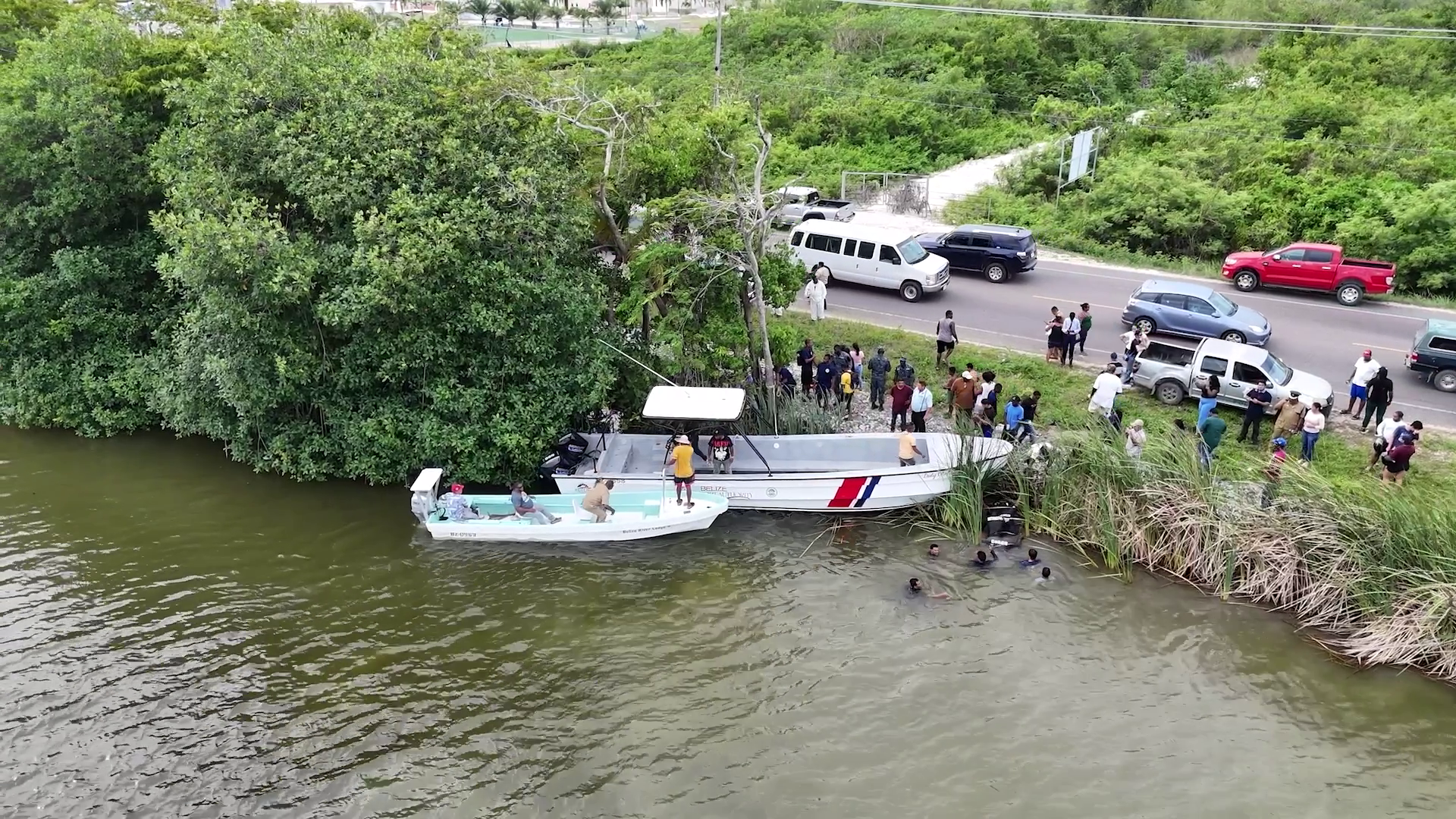
In August 2026, a devastating drowning incident along the Belize River claimed the life of 18-year-old Xue Liu, a young person on the autism spectrum, and sparked a much-needed national and international dialogue about the unaddressed safety risks facing neurodiverse communities and the relentless burdens shouldered by their caregivers.
According to initial reports, Liu broke free from her caregiver while fleeing a sudden bee attack and ran directly toward the river, where her body was later recovered. In the aftermath of the tragedy, public discussion quickly turned to criticism of caregiver Shisong Liu, who ran in the opposite direction during the chaotic emergency. But disability advocates argue that blaming the already grieving family misses the larger, systemic gaps in safety support that set the stage for this preventable loss.
Christy Almeida, founder of the Belize-based advocacy organization Autism Belize, pushed back against widespread condemnation of the Liu family, emphasizing that emergency situations trigger unpredictable instinctive responses even for the most prepared caregivers.
“I have a really hard time casting blame to any parent, especially parents who have children with special needs, children with disabilities,” Almeida shared in a recent televised interview. “You don’t know what they are dealing with on a daily basis. You don’t know the nights that we don’t sleep. You’re not gonna catch me blaming any family at all because we don’t know what they’re dealing with – their mental health, the toll it takes to be a caregiver.”
Almeida went on to note that even for neurotypical people, life-threatening crises like a swarm of bee attacks trigger the primal “fight or flight” response, and no one can accurately predict how they will react until they are in the moment. “If you are being chased by a swarm of bees and you’re trying to hold on and this person breaks free, what do you do in that situation? I would like to think if it was my own child, I would throw myself over him and never let go of his hand. But in reality, I don’t know how I would actually react,” she said.
Beyond the question of caregiver response, the tragedy has brought a little-discussed safety hazard to mainstream attention: the innate attraction many autistic and neurodiverse children have to water, which makes drowning the leading cause of death for young people on the autism spectrum globally. Unlike other common health threats, drowning does not cut life expectancy for neurodiverse people because of inherent disability – it stems from a combination of sensory attraction, limited risk perception, and lack of access to adaptive safety resources.
“For our neurodiverse community, water is a huge attraction,” Almeida explained. “The floating and the feeling of freedom in the water gives their body a sensation that it is not intellectually realizing that this is danger. When an emergency like a bee attack triggers a flight response, they’re not going to stop and think, ‘Wait a minute, I can’t swim. I can’t do this.’”
Data from autism advocacy organizations across the globe backs up Almeida’s claim: elopement – the tendency for an autistic person to wander away from a caregiver or safe space – is a common trait, and nearly 90% of deaths related to elopement are caused by drowning. Just in recent months, multiple similar incidents have been reported in the United States, where wandering autistic children have been found dead in nearby bodies of water.
In response to this tragedy, Almeida is calling for systemic changes to improve autism safety, starting with expanded access to adaptive swimming lessons for neurodiverse children. She is urging local communities, swimming coaches, lifeguard associations, and recreational organizations to develop specialized, accessible swimming programs tailored to the needs of autistic people, to reduce the risk of future fatalities. She also emphasized that constant, proactive safety planning is a non-negotiable necessity for families caring for neurodiverse children, a responsibility that most communities do not provide enough support for.
This incident has also opened a broader conversation about the lack of public understanding of the daily challenges facing caregiver families of children with disabilities. Advocates note that greater public empathy and systemic support for caregiver mental health are just as critical as safety programming to prevent similar tragedies in the future.