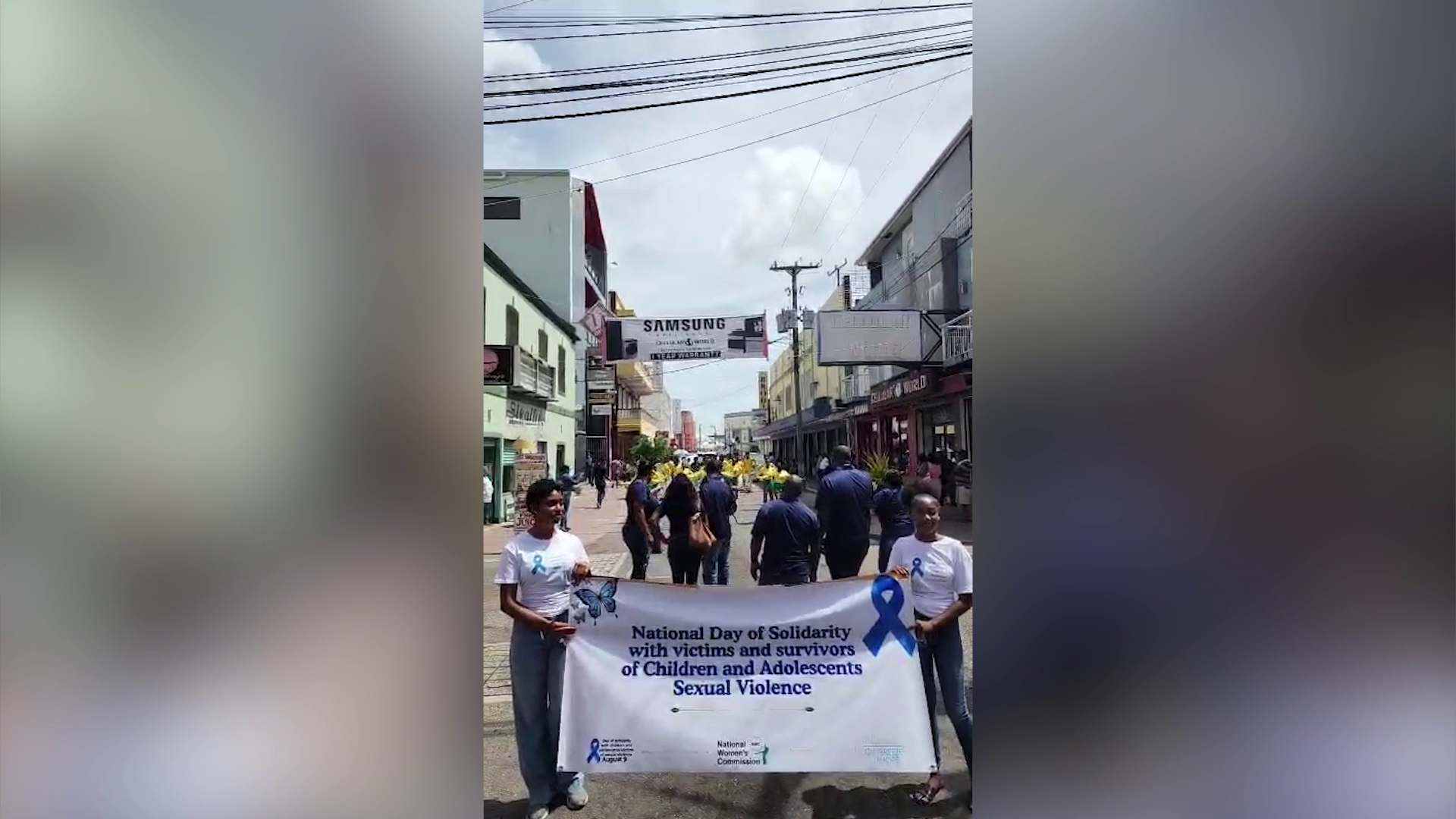
On the morning of August 7, 2026, the streets of Belize City were flooded with crowds dressed in blue, as dozens of local residents gathered for a unity march focused on defending children and adolescent survivors of abuse. Coordinated by the National Women’s Commission in partnership with the Ministry of Human Development, the public demonstration forms a core component of a national outreach campaign pushing for broader community engagement in child safeguarding, survivor support, and ending the culture of silence that surrounds domestic and societal violence against minors.
Organizers emphasized that the campaign’s core message is both straightforward and time-sensitive: child abuse must no longer be dismissed as a private family matter, and every member of Belizean society holds a responsibility to help prevent harm against young people. The march also aligns with the ongoing national Blue Teddy Bear Campaign, a long-running initiative dedicated to raising public awareness of child abuse, encouraging survivors and witnesses to report incidents, and building safer, more supportive communities for children across the entire country.
In an on-the-record interview during the event, Minister of Human Development Thea Garcia-Ramirez outlined the scale of the crisis the country is facing, as well as the government’s new steps to address growing caseloads. Garcia-Ramirez shared official data showing that in 2025 alone, Belize recorded 240 reported cases of child sexual abuse, with another 125 reported cases of child sexual assault handled by the Department of Human Services. Combined, this adds up to 365 reported cases of sexual violence against children – an average of one reported incident every single day of the year.
This count only captures reported sexual violence cases, Garcia-Ramirez stressed, and does not include thousands of additional unreported or uncounted incidents of neglect, physical abuse, verbal abuse, and emotional abuse against children across the country. As a small nation, this daily average of reported incidents represents a disproportionate public crisis, she noted. Experts widely estimate that only 40% of all child abuse cases are ever reported to authorities in Belize, meaning the actual number of children harmed annually is far higher than official statistics reflect.
To address the growing strain on child protection services that has left frontline social workers overwhelmed with unmanageable caseloads, the ministry has secured government approval to expand its workforce. Seven new child services officers have already been approved for hiring this year, with an additional seven positions set to be filled in the near term. Over the next three years, the government plans to add a total of 21 new child services officers and four new supervisory positions to respond to the more than 1,000 new child protection cases reported across the country every year. Garcia-Ramirez reaffirmed that expanding child protection resources remains a top policy priority, as the government works alongside civil society groups to turn the march’s call to action into tangible change for Belize’s children.