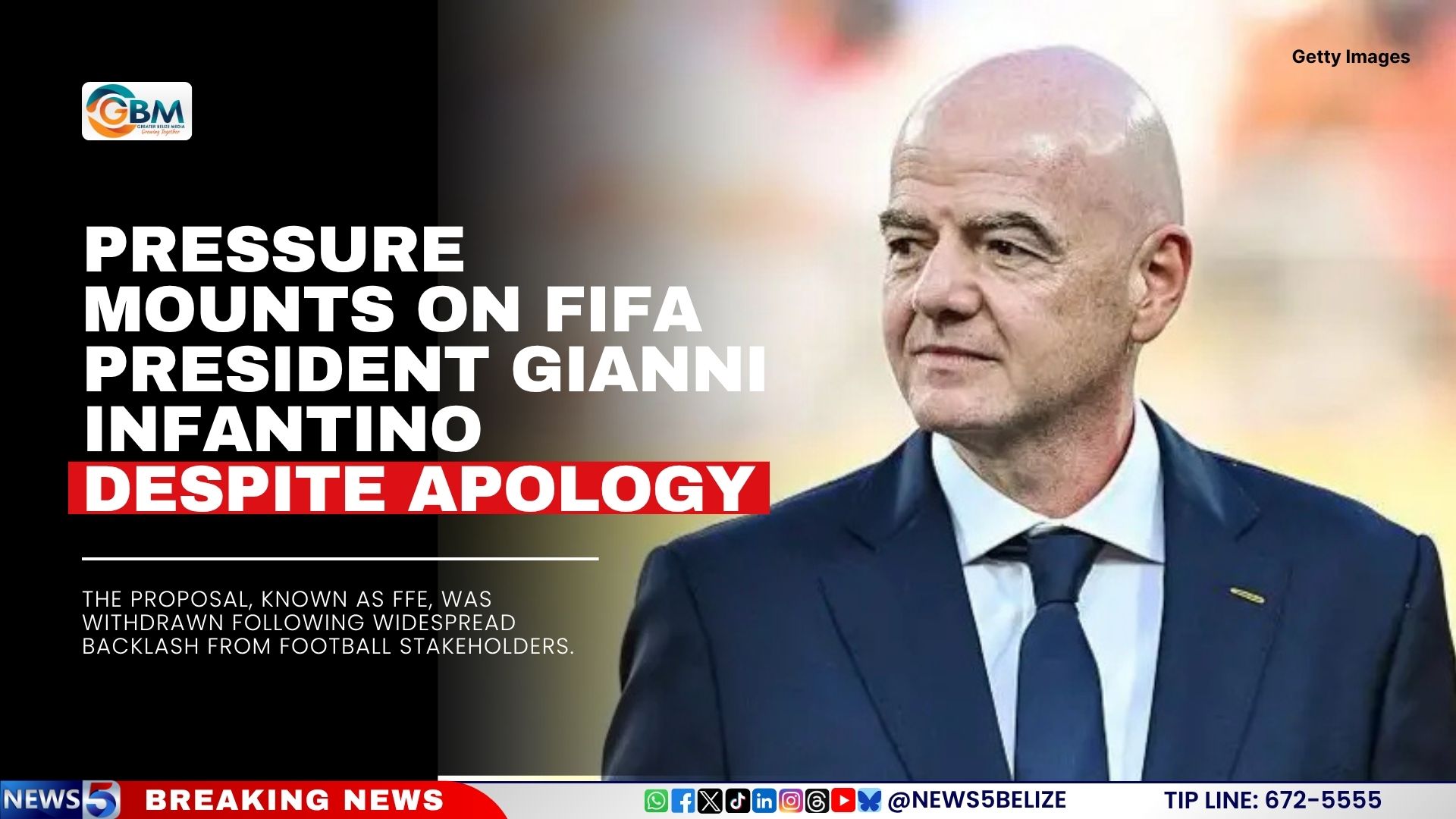
As of August 6, 2026, FIFA President Gianni Infantino is facing unprecedented pressure to step down from his post, even after the global football governing body issued a formal apology and pulled back a deeply divisive plan to sell off commercial and operational rights to the FIFA World Cup. The controversial scheme, branded as FFE, sparked immediate and widespread backlash from stakeholders across the international football ecosystem, forcing FIFA’s leadership to convene an emergency crisis meeting in Rabat, Morocco.
During that closed-door gathering, FIFA officials publicly admitted that significant missteps were made in how the FFE proposal was developed and presented to the global football community. But this gesture of accountability has failed to quell the rising anger and criticism aimed at Infantino and his senior leadership team.
UEFA, the governing body that oversees European football, has remained firm in its existing boycott of all FIFA competitions. The European organization argues that FIFA has refused to offer concrete guarantees that such problematic proposals will never be brought forward again, and it has repeatedly confirmed that it no longer has confidence in Infantino’s ability to lead global football. This ongoing boycott carries tangible risks for FIFA’s upcoming events: Poland is set to host the FIFA Under-20 Women’s World Cup starting September 5, and it is still uncertain whether UEFA’s hardline stance will disrupt the tournament or force FIFA to scramble to arrange alternative hosting plans.
FIFPRO, the global union that represents professional footballers around the world, has also rejected FIFA’s apology as inadequate. The union labeled the FFE proposal a “profound abuse of presidential power,” noting that hollow public apologies are no substitute for meaningful, structural governance reforms that can rebuild public and institutional trust in FIFA’s leadership.
Reactions from other regional governing bodies have been more mixed. CONMEBOL, the South American football confederation, praised FIFA’s choice to scrap the controversial proposal, but declined to back calls for an extraordinary general congress to vote on Infantino’s immediate future. Instead, the organization supports sticking to the existing normal presidential election timeline, with candidate nominations for the role of FIFA President set to close on November 18.
Infantino, who has held the position of FIFA President since 2016, now faces intensifying headwinds as he prepares for next year’s scheduled presidential election. With criticism mounting from some of the most powerful institutions in global football, his hold on the organization’s top job grows increasingly precarious.