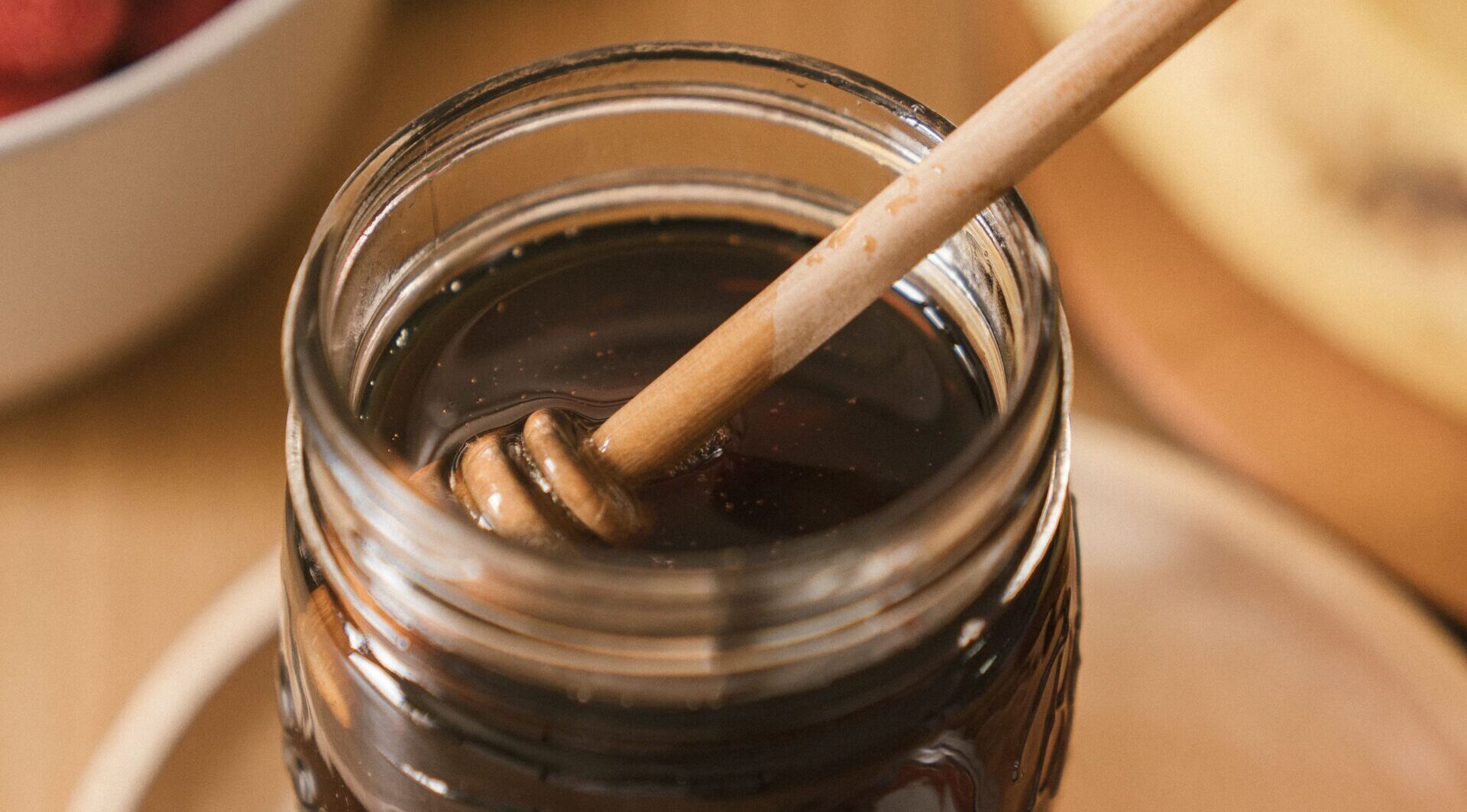
The Commonwealth of Dominica is taking bold steps to grow its burgeoning beekeeping sector, with plans to develop an official national honey brand as a centerpiece of its agricultural modernization agenda. As part of this initiative, the island’s government has earmarked an additional EC$1.5 million to scale up operations, funding the installation of hundreds of new beehives and ramping up domestic honey production.
This new injection of capital builds on prior investments already rolled out across the country. To date, the administration has distributed 600 pre-assembled beehives, specialized beekeeping equipment, and full protective gear to apiarists working in every region of Dominica. Speaking during the official tabling of the 2026-2027 national budget, Minister of Finance Dr. Irving McIntyre confirmed that these earlier strategic investments have already doubled the nation’s total registered hive population, putting the industry on a strong growth trajectory.
The latest EC$1.5 million allocation will advance two key priorities: rolling out hundreds of additional beehives to meet growing demand from new and existing beekeepers, and laying the groundwork for a nationally recognized Dominican honey brand that will highlight the island’s unique natural biodiversity. This investment forms a core plank of the current administration’s broader agricultural transformation strategy, which aims to shift Dominica’s farming sector away from its historical focus on raw commodity exports toward a modern, value-driven economy centered on local processing, intentional branding, and export of high-value finished goods.
Beyond expansion of the beekeeping and honey sectors, the government is also moving forward with plans to construct a new multipurpose agro-processing facility that will support a wide range of local agricultural producers. The purpose-built facility will be designed to process popular local crops including root vegetables and a wide variety of tropical fruits, and will include dedicated business incubation space for small and medium enterprises producing everything from honey and artisanal sauces to homemade jams and jellies, as well as local herbs and spices.
Administration officials argue that expanding domestic agro-processing capacity will deliver dual benefits for Dominica’s agricultural community: it will cut down on costly post-harvest losses that currently cut into producer profits, while opening up new higher-earning opportunities for local farmers and small business owners to capture more value from goods grown right on the island.