As public outrage grows over widespread allegations of opaque contracting and potential misappropriation of public funds at the nation’s Ministry of Defense, the country’s top auditor has announced a sweeping, full-scale financial review that could uncover widespread breaches of public trust. Scheduled for completion by the end of September 2026, the probe centers on pervasive claims that high-ranking government officials steered lucrative public supply contracts to their close relatives and connected business associates, in possible violation of national conflict of interest rules.
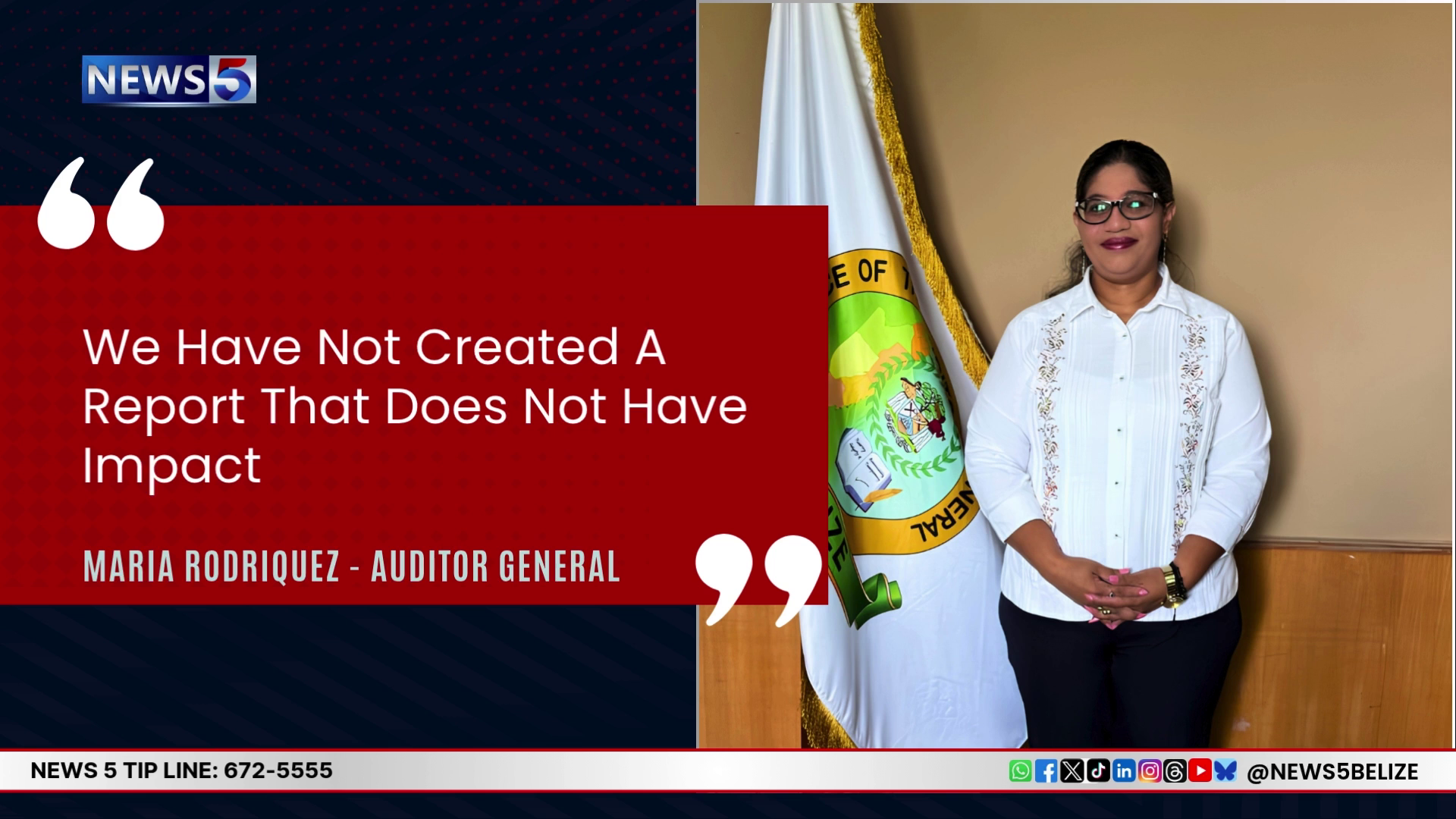
Auditor General Maria Rodriquez confirmed in an interview with News Five that her office will leave no stone unturned in the review, emphasizing that every past audit her office has completed has produced meaningful policy or accountability impacts. The core focus of the investigation will be on mapping potential conflicts between sitting public officials and private vendors that secured Defense Ministry contracts, with Rodriquez noting that constitutional rules bar public servants not just from actual conflicts of interest, but even from the appearance of such conflicts that could erode public confidence.
The allegations that prompted the audit center on a series of questionable awards made during the tenure of former Defense Minister Oscar Mira. Under Mira’s leadership, the ministry awarded multiple supply contracts to companies owned and operated by his siblings and other family members. Beyond Mira’s ties, the prime minister’s own brother has also worked as a vendor for the Defense Ministry. Former Defense Minister Florencio Marin, who is currently on administrative leave, is reportedly connected to Kukulcan Company Limited, another vendor holding a ministry contract, through his personal secretary. Cabinet Secretary Stuart Leslie also holds a dual role as part-owner and director of RSL Group Limited, which has also been awarded a Defense Ministry supply contract.
In addition to the linked contracts, leaked tender documents have raised red flags around hundreds of small payments made by the ministry, all valued at less than $10,000. Critics allege these payments were deliberately structured to bypass formal competitive bidding requirements and oversight from the Contractor General and the Ministry of Finance. In a notable twist, Prime Minister John Briceño holds both the office of prime minister and Minister of Finance, the body accused of delaying approval for larger contracts that would have undergone formal oversight.
When pressed on the allegations of favoritism and rule-breaking, Briceño pushed back against claims of deliberate wrongdoing, arguing that the connected vendors did not receive unfair preferential treatment despite their personal ties to senior officials. He framed the apparent oversights as a collective learning experience, noting that “sometimes we don’t think things through” and that officials could have handled contracting processes differently in retrospect.
Briceño defended the small under-$10,000 payments as a necessary workaround to keep the country’s defense force operating, claiming that the Ministry of Finance had delayed processing approvals for larger competitively bid contracts, and the Belize Defence Force required consistent food supplies to maintain daily operations. He acknowledged that gaps in the approval process exist across government, saying that blame is shared broadly, and that the administration is already working to streamline contracting procedures to prevent similar issues from arising in the future. Briceño added that he will withhold judgment on any wrongdoing until the Auditor General releases her final report, which will also guide his decision on potential personnel actions against current and former senior defense officials including Mira and Marin.