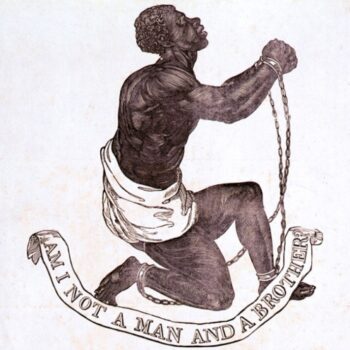
On 1 August 1834, a landmark moment in colonial history unfolded across British Caribbean territories, including Grenada, when the British government formally enacted the long-awaited emancipation of enslaved people. What was framed as a historic step toward freedom, however, came with a deeply compromised caveat: all formerly enslaved people were required to enter a forced apprenticeship system with their old enslavers before gaining full autonomy.
This 1834 declaration followed decades of incremental anti-slavery action in Britain. After the British Empire abolished the transatlantic slave trade in 1807, growing public pressure pushed Parliament to pass the Slavery Abolition Act in July 1833, which set the 1834 emancipation date. The legislation came in response to sustained outcry against the inhumanity of chattel slavery, but it was heavily shaped by fierce pushback from wealthy colonial plantation owners, who argued that losing their unpaid labor force would destroy the regional economy. To win their acceptance of abolition, Parliament offered massive financial compensation to enslavers for their lost ‘property’, and established the transitional apprenticeship system to smooth the transition for landowners. In Grenada alone, this settlement saw plantation owners collect a total of £616,255 in public funds, while more than 23,600 enslaved people were nominally freed on paper. Notably, the idea of compensating enslaved people for centuries of forced labor and systemic abuse was never even raised by British lawmakers, who claimed freedom itself was sufficient reparation. This historic injustice remains at the center of modern demands for reparative justice across former British Caribbean colonies.
Under the terms of the apprenticeship system, non-agricultural enslaved people were forced to serve their former owners for four years, while field laborers faced a six-year term. All formerly enslaved people over the age of six were required to work three-quarters of each week without pay, receiving only basic food rations in exchange. They were allowed to tend personal kitchen gardens or work for wages on their remaining free time, but children under six—though technically free immediately—were forced into similar exploitative conditions because their families depended on estate provisions for survival. Officials framed the system as a deliberate, benevolent transition: it would give plantation owners time to adapt to a free labor market, while teaching formerly enslaved people the norms of wage work to prepare them for full citizenship.
In practice, the apprenticeship system fell far short of its promises and became a new form of exploitative control. Plantation owners leveraged existing laws that favored colonial elites to extract maximum unpaid labor with minimal recourse for apprentices, and even when appointed stipendiary magistrates were tasked with protecting apprentices’ rights, enslavers and managers regularly abused those rights without consequence. Apprentices organized protest wherever they could, but discriminatory legislation left most of their efforts futile and dangerous.
By 1838, widespread public and political opposition to the failed system had built across the region, fueled by the approaching end of the four-year term for non-agricultural apprentices. In a historic move that signaled widespread recognition of the apprenticeship system’s failure, the Grenada Legislature voted in May 1838 to end forced apprenticeship for field workers two years ahead of schedule. On 1 August 1838, just four years after the formal 1834 emancipation declaration, all forced servitude across the British West Indies was abolished. More than 18,000 apprenticed people in Grenada gained full legal freedom, but their ongoing economic dependence on plantation wage labor left them trapped in systemic exploitation for another full century.
Today, Emancipation Day is commemorated every 1 August with cultural celebrations across Grenada’s islands, marking the end of chattel slavery. Unlike many other Caribbean former British colonies, however, Grenada has no permanent public monument to honor emancipation and the struggle for freedom.