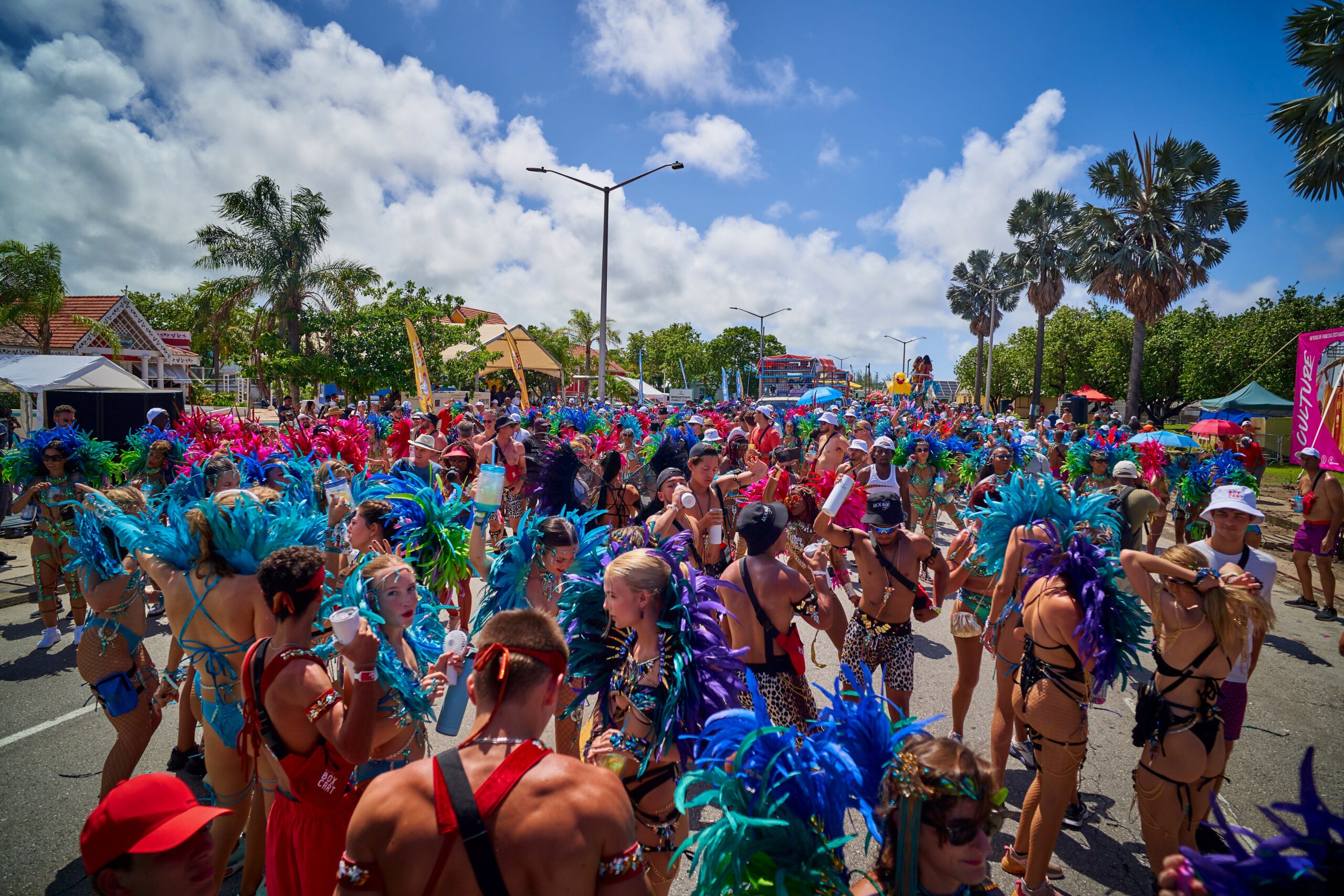
As Barbados prepares for the popular annual Grand Kadooment celebration on Monday, a sharp uptick in heat-related medical emergencies has spurred a critical public safety warning from the top of the island nation’s leading medical body. Dr. Lynda Williams, president of the Barbados Association of Medical Practitioners (BAMP), is sounding the alarm amid ongoing record-high temperatures and prolonged dry conditions that have elevated health risks for both festival attendees and at-home vulnerable groups.
Local doctors have already documented a clear increase in patients seeking care for heat-related conditions, a trend that aligns with long-term regional climate projections. Forecasters have repeatedly flagged that extreme heat will remain one of the most dangerous weather hazards throughout the 2024 Atlantic hurricane season. The Caribbean Disaster Emergency Management Agency (CDEMA) has previously emphasized that even with predictions of a less active hurricane season this year, Caribbean countries must brace for the overlapping threats of persistent extreme heat and dryness, which can strain public health systems just as severely as storm activity.
In an interview with Barbados TODAY, Williams explained that human-caused climate change has steadily made the annual Crop Over festival, which culminates in Grand Kadooment, a more dangerous event for participants. “It seems that every year they are warning that climate change has resulted in hotter temperatures. We see more persons presenting with heat stroke,” she noted. Heat-related illnesses develop when the human body cannot regulate its internal temperature effectively enough to cool down, and symptoms can range from mild dizziness and shortness of breath to full loss of consciousness and life-threatening organ damage. Williams stressed that proactive prevention is far more effective than emergency treatment for these conditions.
To reduce risk, Williams offered clear, actionable guidance for festival-goers. She advised attendees to hydrate well before arriving at the event and carry water with them at all times, adding that physical cooling measures such as misting the body with water, using a chilled neck towel, or carrying a personal fan can also help keep core temperatures down. She also warned that alcohol dramatically increases the risk of dehydration, especially for people spending multiple hours outdoors in high heat. “If you drink, don’t drink in excess. By the time you are thirsty, you are already dehydrated. Don’t drink only when you are feeling thirsty…drink as often as you can and continuously,” she said.
For people living with chronic conditions such as diabetes and hypertension, Williams urged them to stick to their regular dietary and medication routines during the festivities, noting that many attendees end up relying on irregular, unhealthy festival food that can send blood sugar or blood pressure out of control. Heavily salted traditional festival foods are particularly dangerous, she added, because they worsen dehydration and raise the likelihood of serious heat-related complications.
The health risks posed by the current heatwave are not limited to people out celebrating, however. Williams pointed out that local doctors are already treating a growing number of elderly patients who have developed heat-related illness while staying inside their homes. Many older adults do not drink enough water throughout the day, even when temperatures climb, and can experience sudden dizziness or collapse. Williams shared the example of a recent case where an elderly woman passed out at home due to severe dehydration, noting that isolated older adults who do not have regular check-ins from family or neighbors are at particularly high risk of developing kidney problems from untreated dehydration. She is calling on relatives, friends, and neighbors to make regular visits or check-ins with older people living alone during the current heat event to ensure they are staying cool, hydrated, and well-fed.