For thousands of public sector workers across Belize counting down to their retirement at age 55, the dream of a smooth transition to pension benefits is often overshadowed by bureaucratic gridlock that leaves many waiting months – or even forever – for their earned payments. Now, widespread frustration over persistent systemic delays has pushed the issue into the public spotlight, with critics calling for urgent overhauls of the country’s public service pension processing framework.
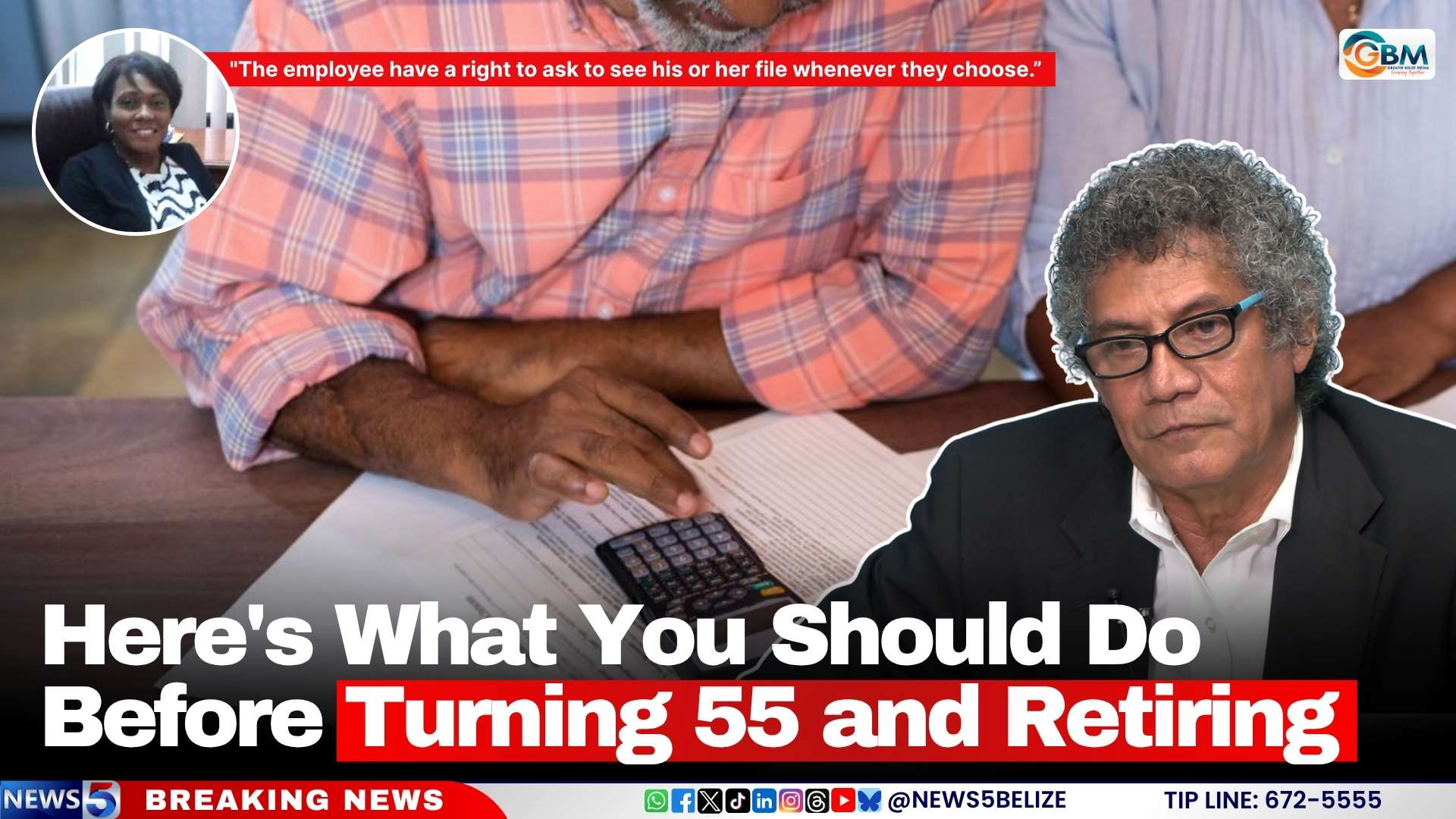
On Wednesday, veteran attorney Richard “Dickie” Bradley publicly called out the broken current system, questioning the ethics of a process that leaves beneficiaries without critical income. “People die and never see their pension. What kind of country do we run?” Bradley asked. His blunt critique resonated deeply with hundreds of Belizean public servants and their families who have navigated the broken system firsthand, with dozens reaching out to local outlet News 5 to share their own horror stories of unfulfilled claims.
One woman shared the devastating experience of her family, whose intergenerational financial security was upended by processing delays. “My dad died and got nothing because of the slow turnaround. He got a stroke and never recovered. My mom applied before he died because he was gravely ill from the stroke, but even now, my mom still can’t get the pension,” she explained. “This really needs to change.”
Other callers and respondents criticized the confusing, contradictory rules that govern the application process. Many noted that while officials require public servants to submit all required documentation up to a full year before their 55th birthday, applicants are often forced to make repeated trips to administrative offices to correct gaps, and rarely receive responses to emailed inquiries for updates on their claims.
Amid the growing public anger, one seasoned public service insider says that many of the most common delays are avoidable with proactive preparation from workers themselves. Carol Gentle, a retired Administrative Officer who spent nearly 40 years working in Belize’s public sector, explained that workers have the legal right to access and review their official personnel files at any time during their employment.
Gentle recommends that public officers begin auditing their own retirement paperwork between the ages of 50 and 53, years before their planned retirement date. “I recommend to public officers, when you reach the age of, say, between fifty to fifty-three, you try and find your administrative officer and ask them to set a date for you to go through your file,” she said.
A complete retirement file requires a range of verified documentation: approved leave records, updated birth certificates and marital status paperwork, and full, signed performance appraisal histories. While administrative officers are required to conduct annual file audits to flag missing materials, Gentle emphasized that workers bear personal responsibility for verifying their own records are complete long before they submit their retirement application for processing. Early identification of gaps gives workers time to source and replace missing documents, avoiding last-minute delays that can hold up pension payments for months.
To hear more personal accounts and details of required documentation for public service retirement, tune in to News Five’s full broadcast tonight at 6:00 local time.