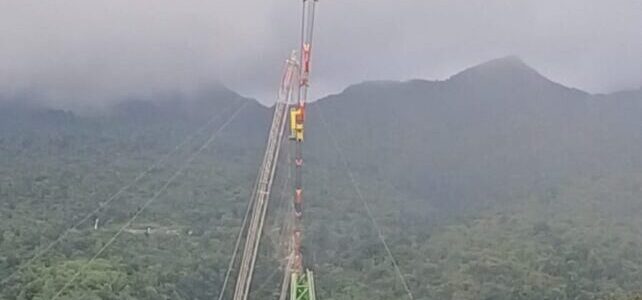
The Caribbean island nation of Dominica is gearing up for a major transformation of its tourism sector, with the flagship 6.6-kilometer Dominica Cable Car project on track for completion by the end of this year. That is according to the country’s Tourism Minister Denise Charles-Pemberton, who outlined the government’s broad tourism development strategy during an address to a three-day Business Cruise Stakeholders Symposium held this week at Goodwill Parish Hall.
Beyond the high-profile cable car initiative, Charles-Pemberton confirmed that construction and upgrade work is progressing steadily across multiple key tourist attractions across the island. Active development is ongoing at major sites including the new Champagne Beach Facility, Ti Tou Gorge and Emerald Pool, while planned upgrades include resurfacing critical access roads and improving ecotourism hotspots such as Morne Bruce, Mero Beach, Trafalgar Falls and Cold Soufriere.
The minister emphasized that the cable car project, in particular, will deliver both immediate and long-term benefits for Dominica’s economy and tourism brand. “The Dominica Cable Car set for completion later this year will transform our tourism offering, creating immediate local employment while positioning our destination for long-term growth,” she told attendees.
Awarded to Austrian cable car engineering leader Doppelmayr Group, the 4.1-mile gondola line will traverse the Roseau Valley, and when finished it will claim the title of the world’s longest recreational cable car. Per project details first released in August 2022, the system will feature 10-passenger detachable gondola cabins that can shuttle visitors from the valley base to the mountainous national park in under 20 minutes, delivering a fast, comfortable and reliable journey.
Doppelmayr’s project plans include localized hospitality and retail facilities at the cable car’s bottom station designed to highlight Dominica’s unique Caribbean cultural and natural heritage. Near the top station, visitors will find additional amenities including a panoramic café terrace, a public viewing platform, and a six-meter tall statue of the Sisserou Parrot, Dominica’s iconic national bird.
Early projections from feasibility studies point to dramatic growth for the island’s tourism sector following the cable car’s launch. A 2022 feasibility assessment conducted by Swiss-based European engineering firm Outdoor Engineers found that completing the project could triple Dominica’s annual tourism arrivals, according to reporting from Dominica News Online referencing the Associated Press.
Despite the progress on physical infrastructure, Charles-Pemberton stressed that destination competitiveness requires more than just new construction. In an era of shifting global travel trends, she noted that today’s tourists are more digitally connected, better informed, and have a wider range of destination options than at any point in history. These changes, she added, mean technology is rapidly reshaping how tourism destinations market themselves, compete for visitors, and deliver memorable travel experiences.
The minister pointed to the growing role of cutting-edge technology in the sector as evidence of this shift, noting that a discussion of artificial intelligence would have been unthinkable on a Dominican tourism symposium agenda just 10 years ago. “Today, discussing AI and digital innovation is essential if we intend to remain competitive,” she emphasized.