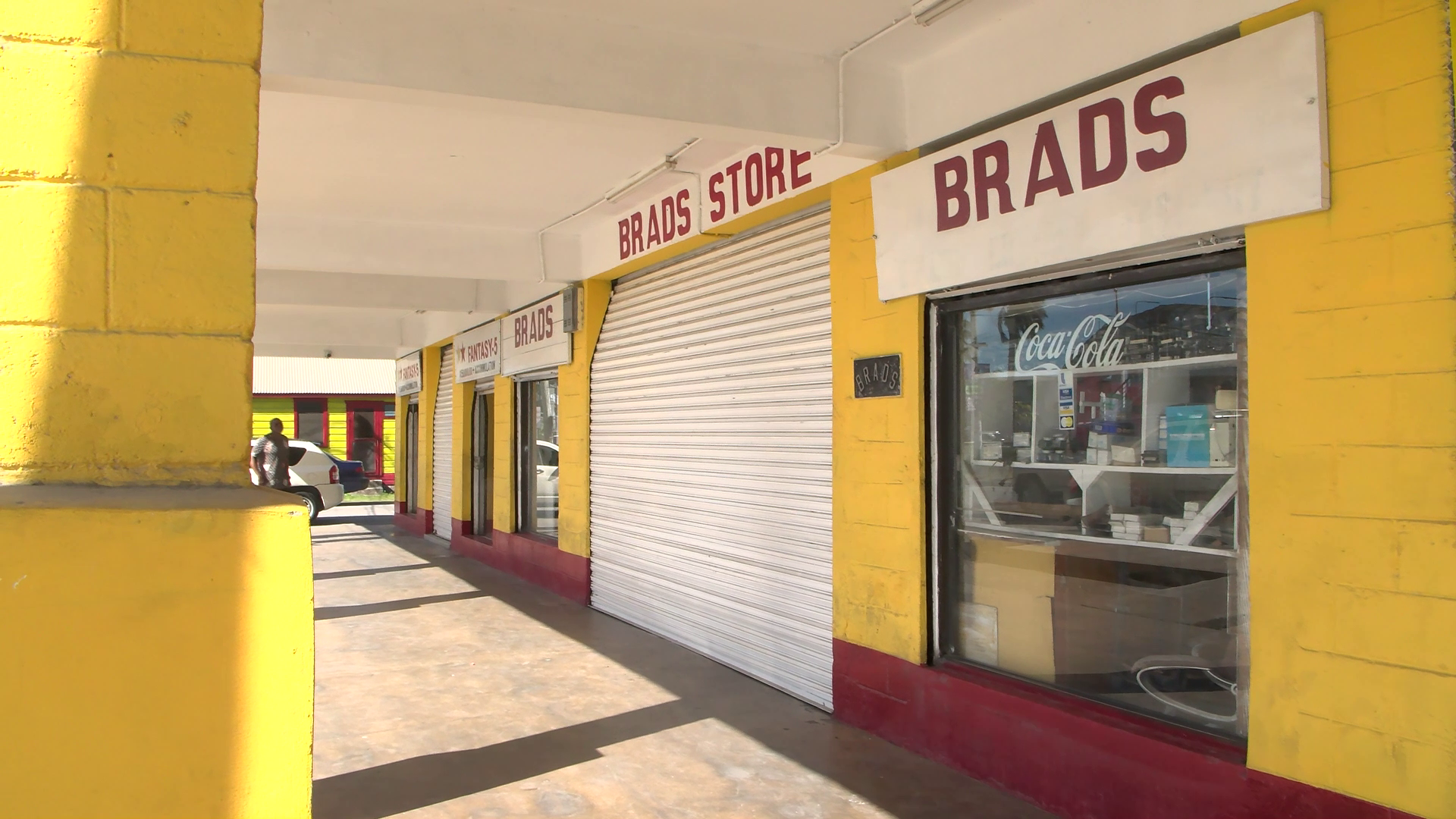
In a landmark ruling released July 29, 2026, the High Court has dealt a decisive defeat to businessman Kim Wai Chee and two Brads gaming companies, who launched a multimillion-dollar legal challenge against tax assessments tied to their Boledo and Jackpot gambling operations. Justice Nadine Nabie, presiding over the case, ruled that the claimants’ legal challenge was fundamentally misconceived and constituted an abuse of the court’s process.
While the judge confirmed that both Chee and Brads Gaming Company Limited held legal standing to bring the suit, she emphasized that the pair of firms and their representative skipped the mandatory, statutorily defined legal process required to contest tax evaluations under the nation’s Tax Administration and Procedure Act. Under the framework of this legislation, any taxpayer seeking to challenge an assessment must first complete an internal administrative review, followed by an appeal to a dedicated appellate body, before they are eligible to bring their claim before the High Court. Chee and the two Brads entities skipped these required steps entirely, instead filing a constitutional motion and administrative challenge directly with the High Court.
The claimants argued that the Director General of the tax authority had overstepped her legislative authority when issuing what are known as “best judgment” tax assessments. They claimed violations of multiple fundamental rights, including the right to protection under the law, equal protection under the law, and the right to natural justice and fair procedure. Following a trial held in 2025, Justice Nabie issued a 50-page ruling that addressed every technical argument raised by the claimants, ultimately finding no evidence of any fundamental rights violations.
Senior Counsel Magali Marin, who represented the government in the proceedings, explained that the best judgment assessments were only issued because of the claimants’ own failure to cooperate with tax authorities. The dispute traces back to March 2020, when Brads Gaming Company Limited’s exclusive operating license expired. In July of that same year, tax regulators requested the companies’ full financial records for the un-audited operating periods, but the firms failed to produce the required documentation. This non-compliance left tax authorities no option but to issue the best judgment evaluations.
The total value of the contested assessments stands at roughly $4.32 million: approximately $1.19 million against Brads Gaming Company Limited, and $3.13 million against Brads Gaming Group Limited. In her ruling, Justice Nabie upheld the tax authority’s legal power to issue the best judgment assessments, rejected all forms of relief requested by the claimants, and ordered Chee and the two companies to cover 50% of the government’s legal costs incurred during the proceedings.
Marin noted that the ruling clears the way for the tax authority to enforce the payment of the assessed taxes, including the seizure of assets if the companies hold recoverable assets. The ruling also included key clarification regarding Chee’s personal liability: while the assessments themselves were issued to the two corporate entities, Justice Nabie emphasized that the closure of the businesses and the shuttering of their physical offices does not release responsible officers like Chee from their legal obligations under tax law. In paragraph 51 of her judgment, the justice wrote that ruling otherwise would set an absurd precedent that would allow corporate leaders to evade tax duties simply by closing operations.