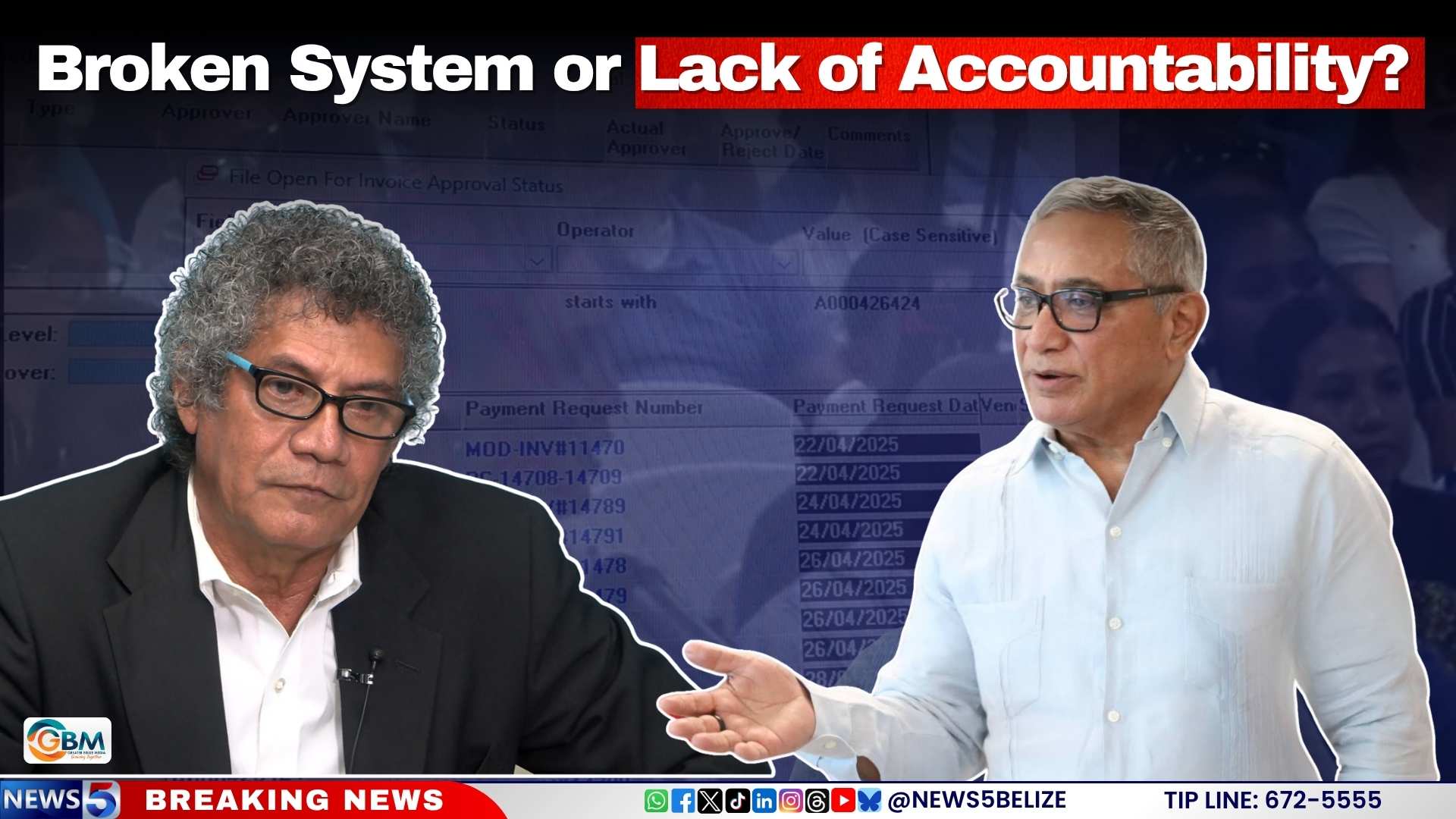
Three weeks after Prime Minister John Briceño’s landmark pledge to hold all wrongdoers accountable in the unfolding Ministry of Defence procurement scandal, the narrative emerging from the government has taken a notable turn. What began as an investigation into individual breaches of public contracting rules has morphed into a debate over overhauling what incumbent officials characterize as a fundamentally broken national procurement system.
At the heart of the scandal are two former Defence Ministers, Florencio Marin Jr. and Oscar Mira, who remain on administrative leave pending the completion of a national audit into suspect supply contracts and questionable public spending practices. When the scandal first broke, Briceño moved quickly to reassure the public of full transparency, stating on July 3 that no individual would be shielded from consequences. “If there were any wrongdoings, be it public officers or politicians, they will have to answer. We are not going to cover this up,” the prime minister affirmed at the time.
Now, however, critics say the government’s reframing of the issue as a systemic failure rather than a question of individual accountability is a deliberate distraction from demands for action. Prominent local attorney Richard “Dickie” Bradley is one of the most vocal opponents of this shift, arguing that structural reform alone cannot address the root issues at play.
In an interview with News 5, Bradley laid out his sharp critique of the government’s current approach: “There is no accountability. There are no checks and balances. There is no transparency. You can’t run a country like that. We have started to see in the country that something is going terribly wrong with the control of public monies.”
Bradley went on to push back against the framing that the scandal stems from a flawed system alone, arguing that the core failure lies with the public officials tasked with overseeing and processing government expenditures. As the audit into the controversial contracts continues, the country remains divided over whether the crisis will lead to meaningful accountability for individuals involved, or merely procedural changes to procurement rules.