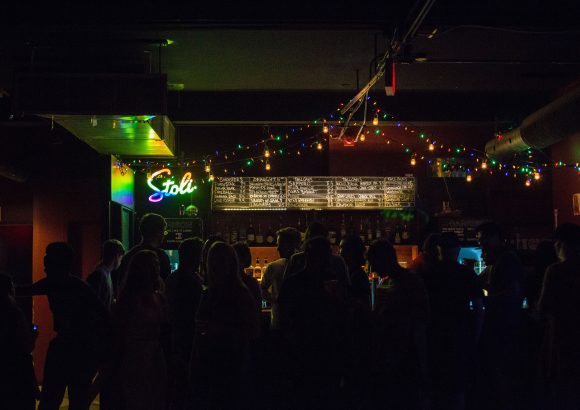
In a landmark ruling with major implications for separation of powers in the Dominican Republic, the nation’s highest constitutional court has invalidated a long-standing executive order that set permanent limits on alcohol sales hours across entertainment and hospitality businesses. The challenged measure, Decree 308-06, was issued back in 2006 by then-president Leonel Fernández, and placed permanent operating hour restrictions on venues ranging from neighborhood colmados and bars to nightclubs and casinos. The court’s ruling concluded that permanent regulations impacting economic activity and citizen rights must be enacted by legislative bodies, not imposed via unilateral executive decree, aligning with the country’s 2010 updated constitution.
The legal challenge that led to this decision was brought forward by Víctor Eddy Mateo Vásquez, who argued that the indefinite restriction violated core Dominican constitutional principles. Vásquez contended that because the National Congress – the nation’s legislative body – never approved the permanent limit, the executive branch overstepped its authority by enacting it through administrative order.
While the court explicitly recognized that the original decree was crafted with the legitimate public interest goal of safeguarding public order and community safety, it ultimately found the measure out of step with current constitutional requirements. Justices emphasized that the 2010 Constitution explicitly requires any permanent restriction that alters economic activity or touches on fundamental rights to be passed through formal congressional legislation, not executive action. The court further noted that the executive branch’s authority to issue decrees does not extend to enacting broad, indefinite regulatory restrictions. Even with its legitimate public safety purpose, the court ruled the decree failed the constitutional test of proportionality: the order had remained in force for nearly two decades with no clear expiration date and no ongoing justification for its permanent status.
Importantly, the ruling does not eliminate all executive authority to regulate alcohol sales hours. The court clarified that the executive branch retains the power to implement temporary restrictions on alcohol sales via decree during specific, time-bound events or circumstances. These include seasonal high-traffic periods such as Holy Week and Christmas, national holidays, and ongoing public security operations that require targeted short-term regulation. Only permanent, long-standing regulatory frameworks must be approved by the National Congress.
The legal proceedings exposed a split among government bodies on the issue: the Executive Branch’s Legal Counsel publicly supported overturning the decree, and called on congressional lawmakers to draft and pass a comprehensive, formal piece of legislation to regulate alcohol sales and consumption across the country. In contrast, the Dominican Attorney General’s Office defended the decree, arguing that it was constitutional and should remain in effect.