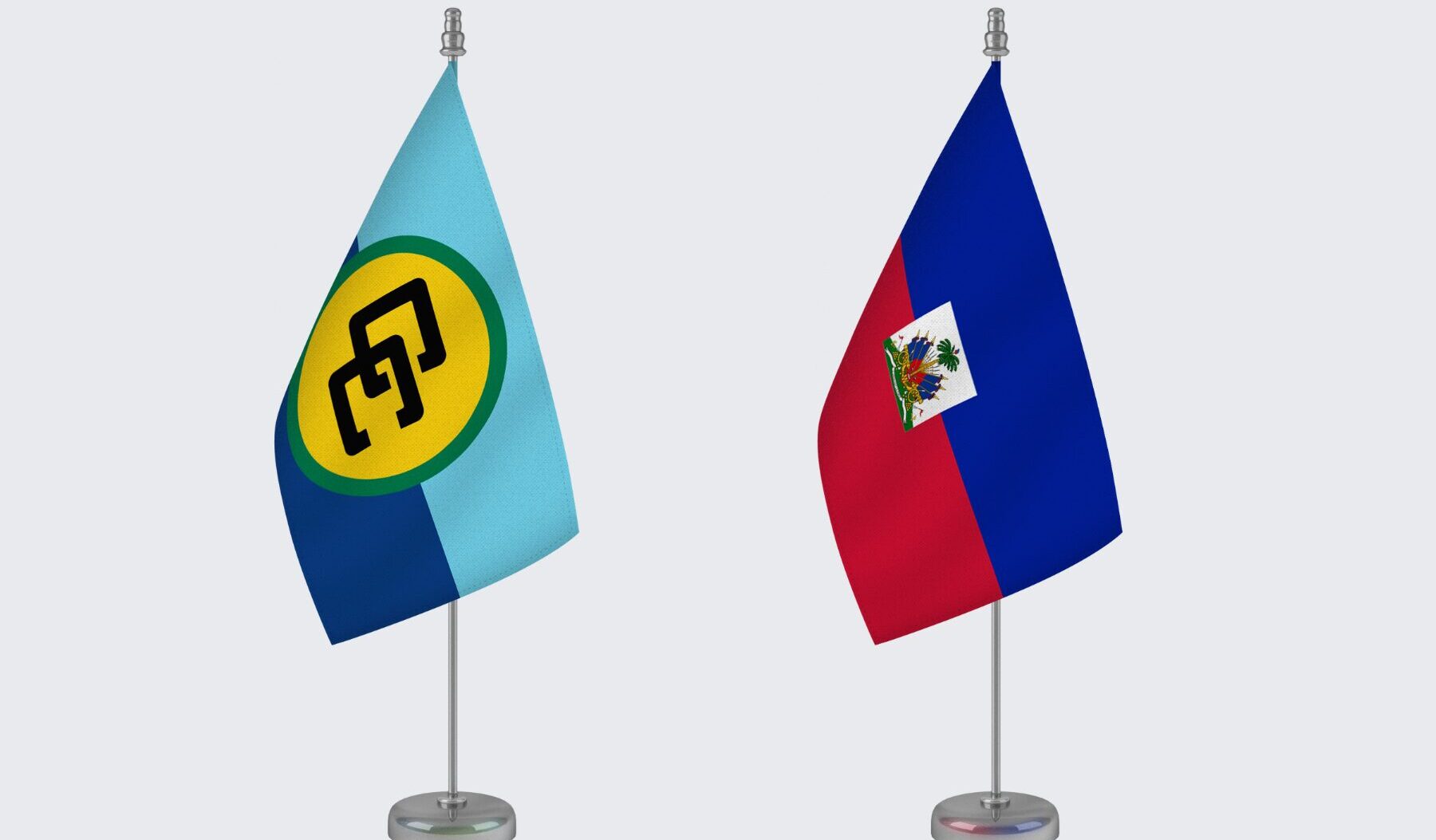
Haiti’s long journey toward reestablishing stable constitutional rule has reached a landmark turning point, after the country’s Provisional Electoral Council (CEP) released a detailed timeline for upcoming general elections — a move that has earned formal praise from a top Caribbean diplomatic task force.
Created in May 2023 under the umbrella of the Caribbean Community (CARICOM), the Eminent Persons Group (EPG) functions as a high-level diplomatic body dedicated to addressing Haiti’s deepening political and security crisis. The group draws on decades of regional leadership experience, counting three former heads of government among its ranks: Dr. Kenny Anthony of Saint Lucia, Perry Christie of The Bahamas, and Bruce Golding of Jamaica. Its core mandate centers on facilitating inclusive cross-party political dialogue, forging consensus on urgent security priorities, and supporting Haitian-led efforts to rebuild functional democratic institutions and restore constitutional governance.
Earlier this year, the EPG made the decision to delay a planned on-the-ground visit to Haiti, noting that the team would hold off on travel to continue monitoring rapidly shifting political developments in the country. That posture of cautious observation shifted with the CEP’s publication of the electoral calendar, which the EPG described as a critical breakthrough that brings much-needed clarity to a process that has remained uncertain for years for both Haitian political actors and the broader international community.
Under the newly released timetable, the first round of voting is set to take place on December 13, 2026. Ballots will be cast to select a new president, fill all seats in the national legislature, and approve a package of proposed constitutional reforms. The calendar lays out clear timelines for all key pre-election preparatory steps, including the registration of political parties, individual candidates, electoral coalitions and platforms, as well as a national voter registration drive to update Haitian electoral rolls ahead of polling day.
In its official statement, the EPG underlined that sustained coordination between the CEP and every sector of Haitian society will be indispensable to keeping the electoral process on track. The group issued a formal call to all political parties, civil society organizations, community leaders and other national stakeholders to engage actively in the process, uphold procedural rules, and work collectively to ensure all electoral requirements are fully met before voting begins.
Successful inclusive preparation, the EPG argued, will clear the way for Haitian citizens to exercise their democratic right to choose their next government in a free, fair and credible process, laying the groundwork for the full restoration of constitutional order in a country that has operated without elected governance for years.
The task force also joined the CEP in highlighting a critical unmet need: dramatic improvements to national security before election preparations advance much further. A secure, stable environment is non-negotiable for a credible electoral process, the group stressed, and it called on all nations contributing troops and police to the multinational Gang Suppression Force (GSF) to accelerate deployment of their personnel to Haiti. Early deployment of the GSF, the EPG noted, would allow international security assistance to take root and expand well in advance of the December 2026 first round voting, creating the secure conditions needed for a smooth election.
In closing, the EPG emphasized that parallel progress on two interconnected tracks will make or break Haiti’s democratic transition: steady advancement of electoral preparations, and concrete improvements to national security. Both are essential to delivering a credible election that sets Haiti on a sustainable path toward restored democratic rule.