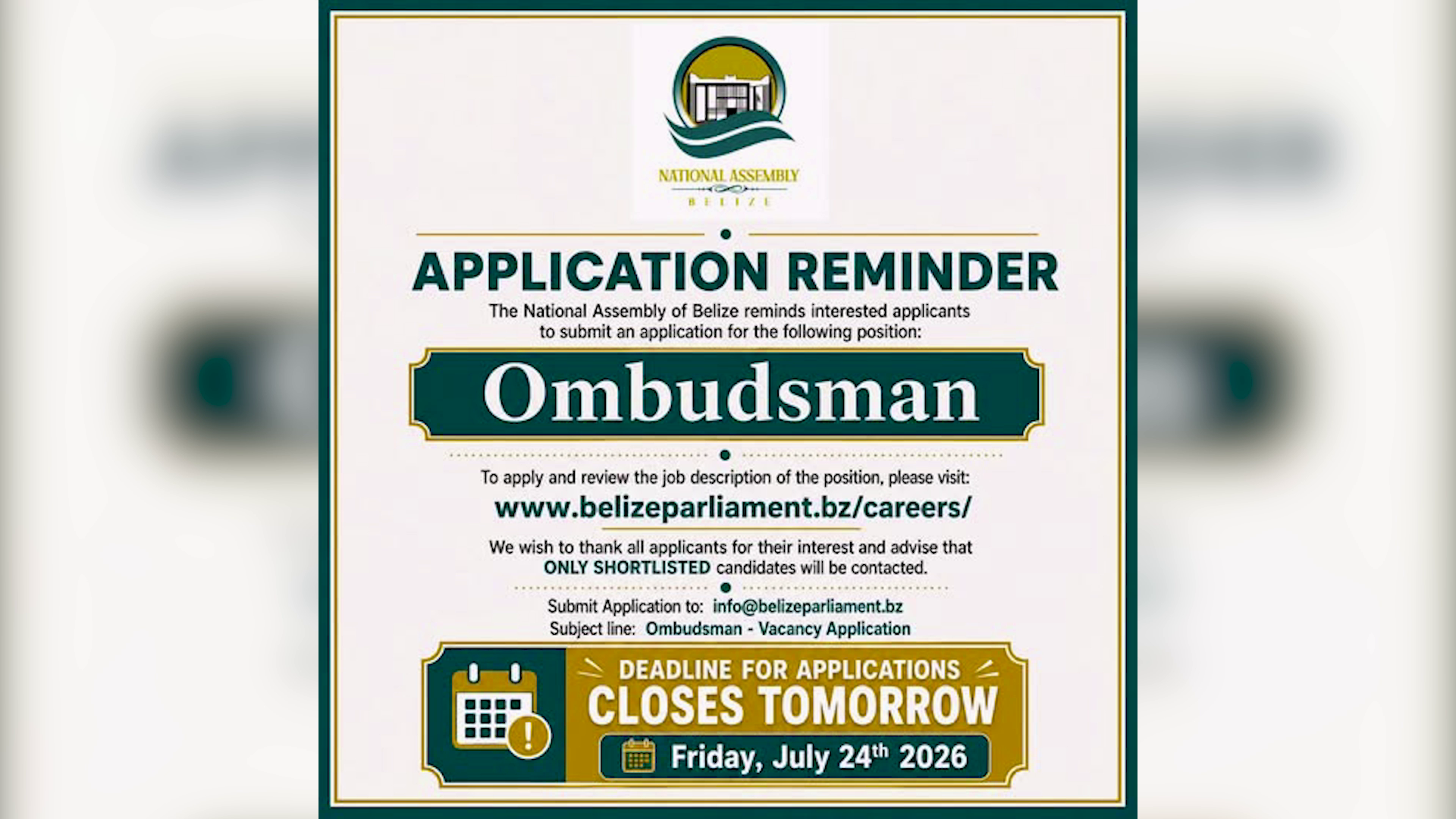
Seven months have passed since the position of national Ombudsman was left unoccupied, and the last person to hold the role is breaking his silence to push for urgent action from the government. Retired Major Gilbert Swaso, who stepped down from the post months ago, has made clear he has no interest in reclaiming the position — his concern lies solely with the unnecessary delays that have kept the critical office vacant far longer than necessary.
In a recent public statement, Swaso pushed back against the government’s current approach to filling the role, which prioritizes candidates with pre-existing specialized human rights expertise. He argued that this unneeded requirement is unnecessarily complicating the appointment process, pointing to the ongoing institutional transition that is already reshaping the Ombudsman’s Office.
Under current plans, a new National Human Rights Institution will be merged into the Ombudsman’s Office over the coming two and a half to three years. However, Swaso noted that the legislative amendments required to complete this integration have not yet been passed, meaning the existing legal framework for appointing an Ombudsman remains unchanged. He emphasized that the core mandate of the Ombudsman will remain intact during the transition period, and that any required human rights training for the appointed candidate can be delivered after the person takes office.
“To say then that you need someone who has a certificate or knowledge of human rights is making it difficult to appoint an ombudsman under the circumstances, because in my view, they are two separate things,” Swaso explained in his remarks. “The office of the ombudsman should remain as is because this is a consultation process to establish and integrate for the next two and a half to three years. We will be building the institution of the Human Rights Institute within the Office of the Ombudsman. So I believe that however the ombudsman was appointed, as per the law in the past, the act, the act has not changed.”
Swaso warned that clinging to the new human rights qualification requirement risks dragging out the vacancy even further, leaving the country without a key accountability official for months more. The statement comes as stakeholders continue to wait for the government to outline a clear timeline for naming a new Ombudsman, amid growing concerns about the impact of the extended vacancy on governance and public accountability.