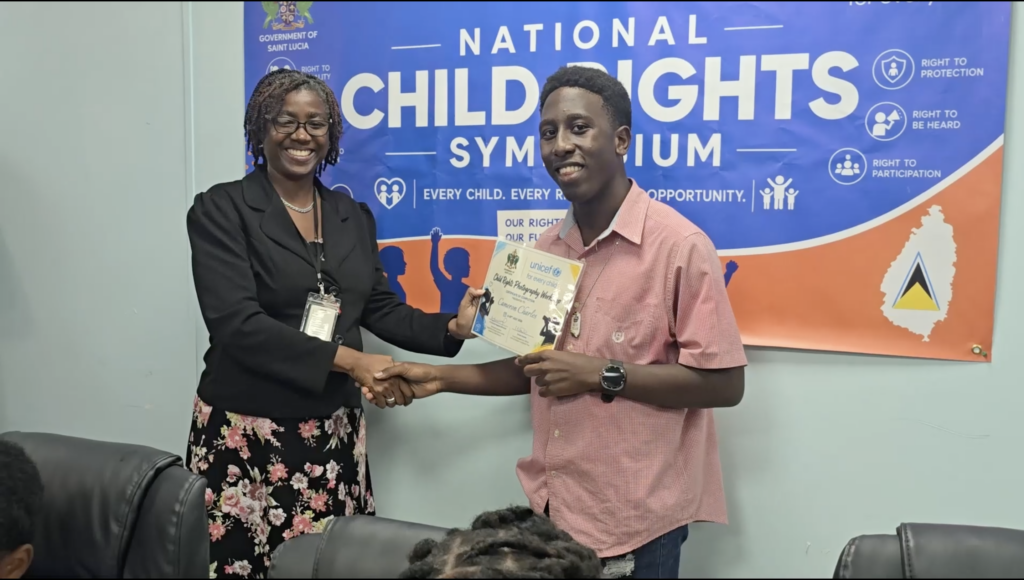
In a landmark step toward centering youth perspectives in governance, the Caribbean nation of Saint Lucia has sworn in 20 young people from across the island as its first-ever Child Rights Ambassadors. The groundbreaking initiative was designed to guarantee that children and adolescents have a direct seat at the table when national policies and decisions shaping their lives are being made.
Over the coming months, these appointed ambassadors will work directly with peers in their local schools and communities, carrying out three core missions: spreading critical awareness of fundamental child rights, documenting the pressing concerns of young Saint Lucians, and bringing those on-the-ground perspectives to national discussions spanning child protection, public education, healthcare access, juvenile justice, and social service delivery.
The programme was officially launched earlier this month during Saint Lucia’s first National Child Rights Symposium, and is a joint effort between the country’s Department of Equity, Social Justice, Gender and Older Persons and the United Nations Children’s Fund (UNICEF). It aligns directly with Saint Lucia’s binding commitments under the United Nations Convention on the Rights of the Child, a global treaty that explicitly enshrines children’s right to express their views and have those views included in decisions that impact their well-being.
Permanent Secretary Dr. Charmaine Hippolyte-Emmanuel emphasized that the initiative is far more than a symbolic gesture—it is designed to give children a meaningful, actionable role in conversations that touch every part of their lives. “If we do not protect our children that we call the future, do you think, or do you foresee us having a future? Not at all,” she told attendees. “Therefore, we are committed to that kind of protection for you. As we convene, I encourage every child and young person to be a part of this conversation. It makes absolutely no sense to speak about you and you are not a part of the conversation.”
The 20 ambassadors were selected from a pool of student nominees after an open call for applications was distributed to every school across the island. Organizers noted that geographic distance limited participation from schools in southern Saint Lucia during the initial selection round, so a second phase of the programme will be rolled out in the coming months to expand representation from that region.
Before assuming their posts, all ambassadors completed an intensive five-day training programme covering core topics including child rights frameworks, leadership development, advocacy strategy, and communication skills. The training also included instruction in photography and visual storytelling, tools organizers say will help young ambassadors highlight the issues affecting their communities more effectively.
Joan Tull, UNICEF’s Partnerships Officer for Advocacy, explained that visual storytelling gives young people a flexible, powerful new medium to share their lived experiences and push for systemic change. “Photography is a powerful way to stand up for your rights,” Tull said. “By capturing images of your school, your community, your friendships or issues that affect children and young people, you can help raise awareness and encourage positive change. Your photos can highlight things that are working well and draw attention to areas where improvements are needed, helping to ensure that your voices are heard and your experiences are valued.”
The ambassadors will officially begin their outreach work with children and young people in communities across Saint Lucia in the next several months.