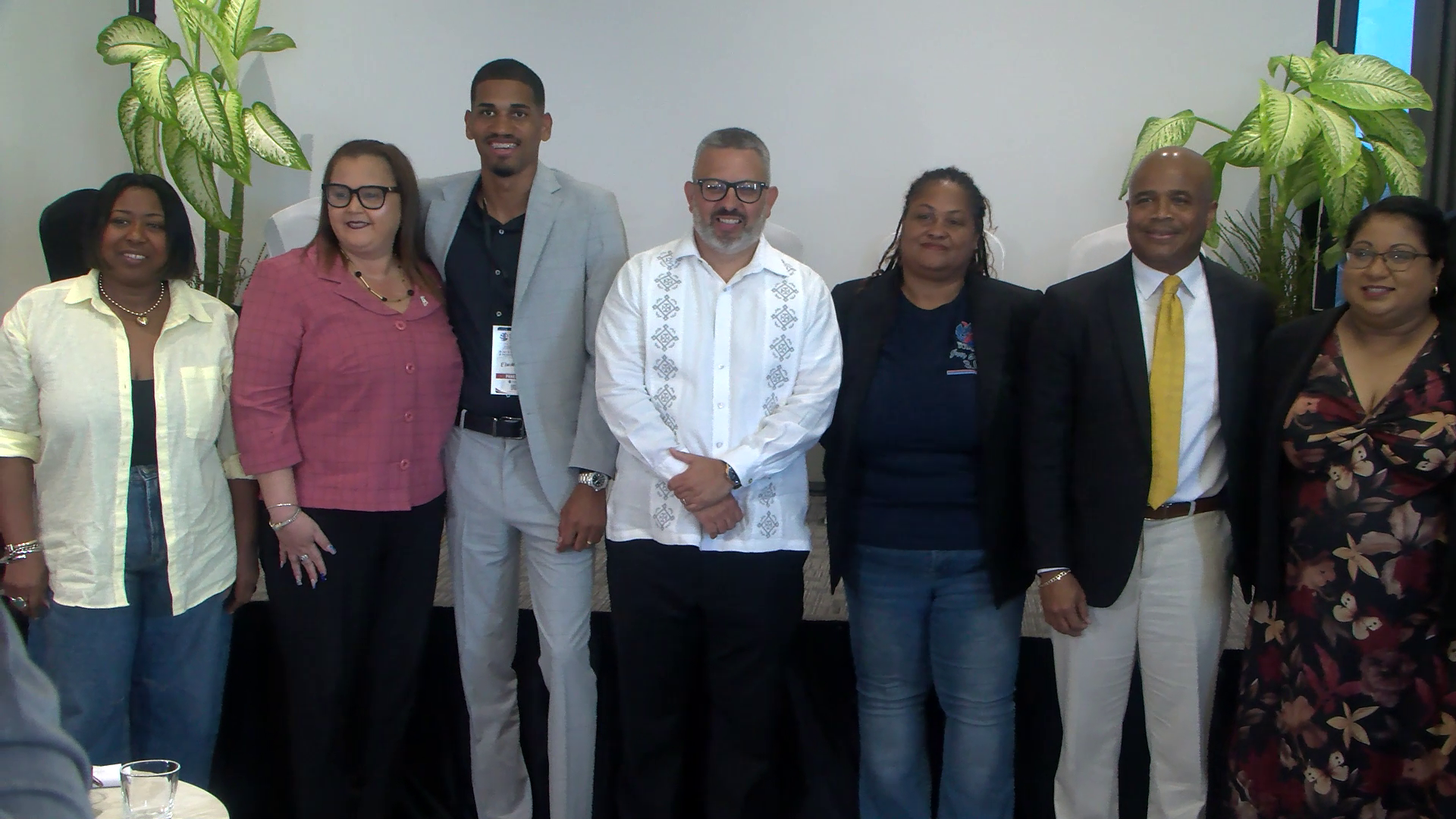
Belize’s global diaspora community is stepping up its demand for formal political inclusion, bringing its call for a dedicated Senate seat to the opening day of the 2026 Belize Diaspora Summit in Belize City. With more than 1 in 3 Belize-born citizens currently residing outside the country’s borders, the community has long contributed billions in annual remittances that anchor the national economy, but leaders say financial support alone is no longer enough to satisfy their desire to shape the future of their home nation.
At the three-day gathering, summit organizer Aria Lightfoot tabled a comprehensive policy paper that lays out a blueprint for a national diaspora strategy, anchored by the core demand for an official Senate seat allocated to representatives of Belizeans living abroad. Lightfoot argued that the request aligns with existing representation structures in Belize’s upper legislative chamber, which already reserves seats for non-elected groups including non-governmental organizations and religious institutions.
“Many of the groups currently seated in the Senate are not resident-based entities, so why should the diaspora – which contributes so substantially to our national wellbeing – be shut out of formal decision-making?” Lightfoot said in comments at the summit. While voting rights for diaspora members in national elections is also a key priority for the community, Lightfoot emphasized that formal representation at the legislative level addresses a far broader gap in inclusion, going beyond access to ballots to give Belizeans abroad a direct voice in shaping national policy.
Local outlet reporters questioned Lightfoot and government officials on the common critique that diaspora members, who do not reside in Belize full-time, should not have outsized influence over day-to-day national governance. But in an surprising show of openness to the proposal, Belize’s Minister of Immigration Kareem Musa rejected that criticism, signaling that the government is willing to engage in substantive discussions on the demand.
Musa, who has already publicly backed electoral reform to scrap the three-month residency requirement that currently bars most diaspora Belizeans from registering to vote in general and city council elections, reaffirmed his stance that Belizeans abroad deserve a formal say in national affairs. “I do not agree that non-resident Belizeans should be excluded from governance conversations,” Musa said. “They maintain deep ties to our country, contribute to our economic stability, and many plan to return to build their lives here long-term. They deserve a seat at the table.”
The summit, which convenes hundreds of diaspora leaders, community organizers and government stakeholders from across the globe, will continue through three days of working sessions to refine the policy framework and build consensus around the diaspora’s priorities ahead of formal negotiations with the Belizean government. This report is adapted from a transcript of an original televised evening newscast.