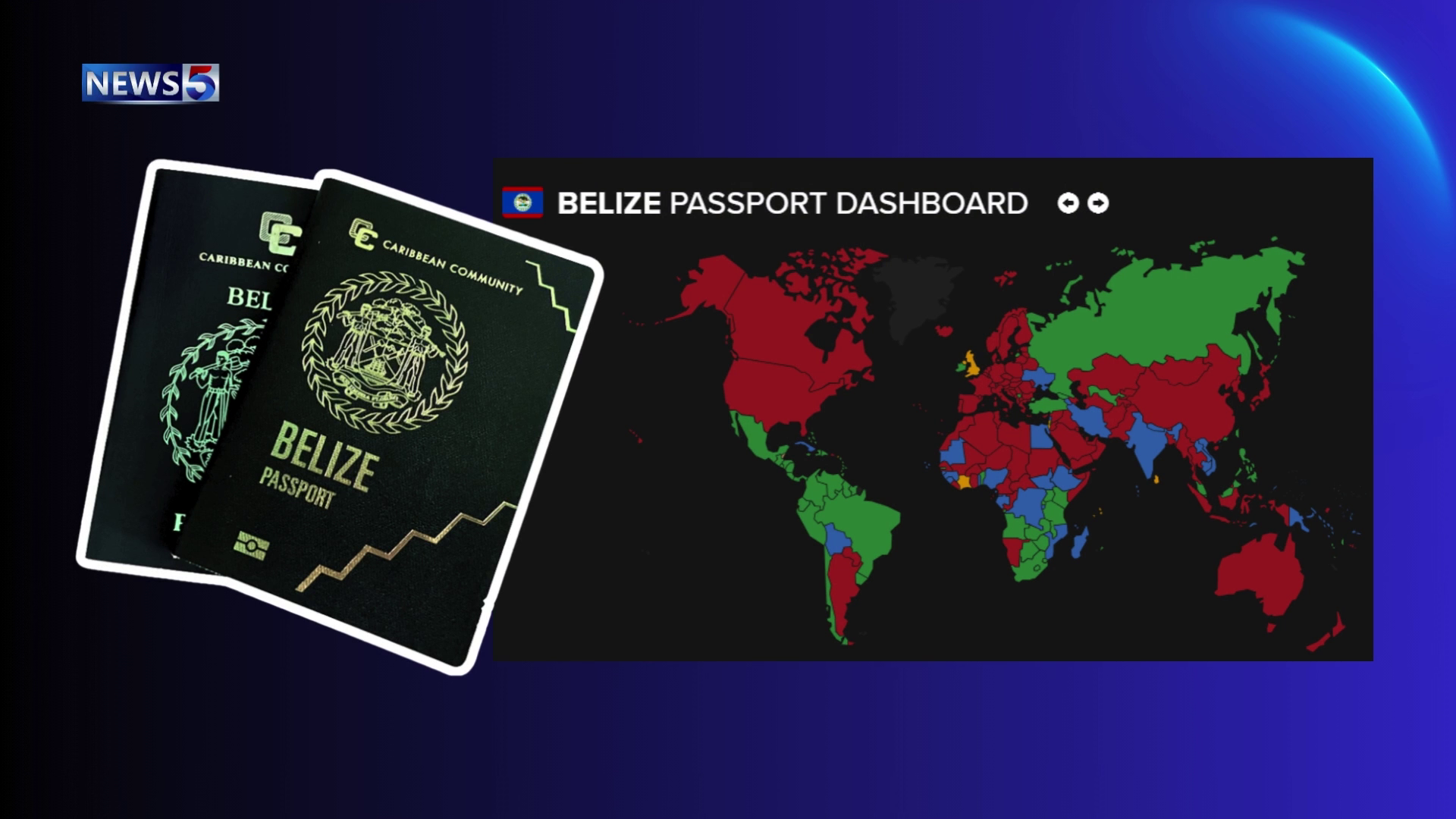
Dated July 23, 2026, recent public discussion around Belize’s travel access to European nations has pulled long-standing conversations about the global ranking and travel power of the Belizean passport back into the spotlight, rather than marking an unexpected reversal in policy progress. After official Spanish authorities confirmed that Belize has not been added to the Schengen Area’s visa-waiver program, Belizean government representatives moved quickly to clarify that this status quo is not a new development, adding that diplomatic efforts to secure visa-free entry for Belizean citizens remain active and ongoing. The renewed conversation has once again drawn public attention to the widespread travel limitations that ordinary Belizean citizens confront when planning trips to major high-demand destinations, including the European Union, the United States, and Canada. To gain clarity on the current state of the government’s advocacy for expanded visa-free access, local reporters recently questioned Belize’s Minister of Immigration, Kareem Musa, on the file. Speaking on the government’s ongoing work, Minister Musa referenced prior updates from the Ministry of Foreign Affairs, noting that negotiations around Schengen access have been underway for years, and the current public discourse simply comes as deliberations on the issue reach a new stage. Beyond the diplomatic push for visa waivers, Musa highlighted that the Belizean government has already made significant upgrades to the security infrastructure of the national passport, integrating new anti-counterfeiting features including infrared coding and machine-readable barcodes. These upgrades, he emphasized, have tangibly improved the overall security standing of the document, strengthening its credibility globally and laying the groundwork for further advances in the passport’s overall travel power. For his part, Foreign Minister Francis Fonseca offered additional context on the persistent challenges of securing a full Schengen visa waiver, explaining that the final decision on inclusion is disproportionately shaped by broader European Union political dynamics, rather than purely technical or security considerations. This political barrier has made expanded visa-free access a long-standing, unresolved priority for every consecutive Belizean administration, requiring sustained diplomatic engagement over multiple terms of government. This report is adapted from a transcribed evening television newscast, with all Kriol-language remarks translated and transliterated per standard linguistic conventions.