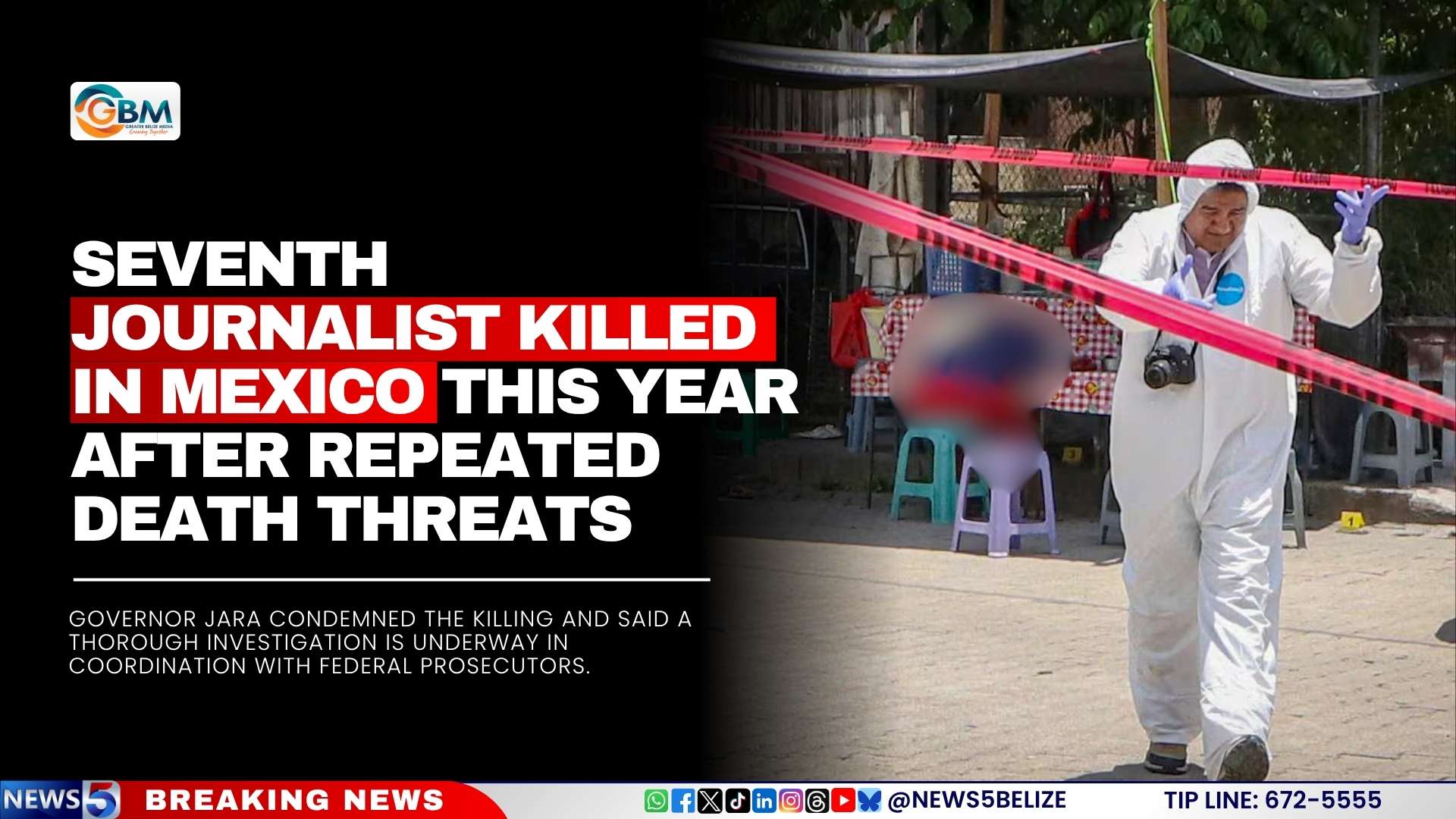
On July 23, 2026, Mexico recorded another tragic loss for press freedom when 60-year-old veteran independent journalist Francisco Alejandro Leyva Aguilar was fatally shot in Oaxaca state, becoming the seventh journalist killed in the country since the start of the year. Leyva, who had three decades of reporting experience, was best known for his unflinching criticism of the Oaxaca state administration and his in-depth investigations into public corruption. The killing unfolded in broad daylight at a casual roadside taco stand in San Pablo Etla, a community just outside the state capital of Oaxaca City. According to witnesses, two armed attackers traveling on a motorcycle pulled up to the stand and opened fire directly on Leyva, killing him instantly before fleeing the scene.
For more than a year prior to his murder, Leyva had repeatedly raised alarms about credible death threats targeting him. As documented by global press freedom organization Reporters Without Borders (RSF), the journalist filed official complaints about the threats with both Oaxaca state authorities and federal Mexican law enforcement agencies. Despite the formal documentation of his risk and repeated requests for safety support, RSF confirms that no protective measures were ever put in place to guard Leyva. In the wake of his killing, the organization has issued a sharp rebuke of state and federal officials, demanding a full public explanation for the systemic failure to act on the journalist’s documented safety concerns.
Oaxaca Governor Salomón Jara, who was a frequent target of Leyva’s critical reporting, has publicly condemned the attack. In an official statement following the shooting, Jara announced that a full, comprehensive investigation into the killing is now underway, conducted in close coordination with federal prosecution teams. While Jara acknowledged that Leyva was a persistent and outspoken critic of his administration, he noted that official investigations have not yet confirmed a definitive motive for the attack.
This killing has once again drawn international attention to Mexico’s long-standing crisis of violence against journalists. Press freedom advocacy groups around the globe have repeatedly warned that Mexico remains one of the most dangerous countries in the world for reporters and media workers. Systemic impunity for acts of violence against journalists, combined with widespread intimidation tactics, has created a lethal environment particularly for reporters who take on high-risk beats: investigating public corruption, and exposing links between political actors and organized crime. So far in 2026, the national death toll for journalists has already matched and is on track to exceed the numbers seen in recent years, renewing calls for sweeping reform to protect press freedom and end the culture of impunity that enables targeted killings.