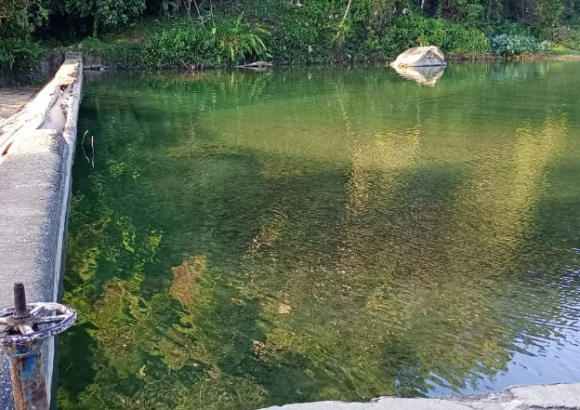
A persistent drought across the Dominican Republic’s capital region has forced authorities to implement temporary water service interruptions and pressure reductions in multiple areas around Santo Domingo, according to an official announcement from the local water and wastewater utility.
The Santo Domingo Water and Sewerage Corporation (CAASD) confirmed that neighborhoods across Los Alcarrizos, Pedro Brand, Pantoja, Los Girasoles, and residential zones stretching along República de Colombia Avenue will be the first to feel the impacts of reduced distribution. The root cause of the disruption is a steep drop in water production, directly tied to weeks of below-average rainfall that has dried up key regional water sources.
CAASD Director Fellito Suberví explained that the two primary river basins that feed the capital’s drinking water systems — the Duey and Isa-Mana basins — have experienced dramatic declines in water flow amid the dry spell. This production shortfall hits hardest at higher-elevation communities, where existing water pressure is already lower than in low-lying neighborhoods, leaving many households without consistent access to piped drinking water.
To ease the burden on affected residents, the utility has mobilized a full fleet of tanker trucks to deliver potable water directly to the hardest-hit areas. Distribution efforts are being prioritized to support high-elevation neighborhoods first, as well as households that face structural barriers accessing water through the city’s existing distribution network.
Suberví noted that CAASD’s emergency operations team is maintaining around-the-clock monitoring of river flows and local water demand as the dry conditions continue. The agency is adjusting its mitigation measures as needed to preserve as much consistent access to drinking water as possible for the broader region. In addition to emergency response actions, the director has issued a public appeal to all residents across the affected zone to use water intentionally and responsibly, cutting out non-essential usage and avoiding waste to stretch limited supplies to meet all households’ core needs.