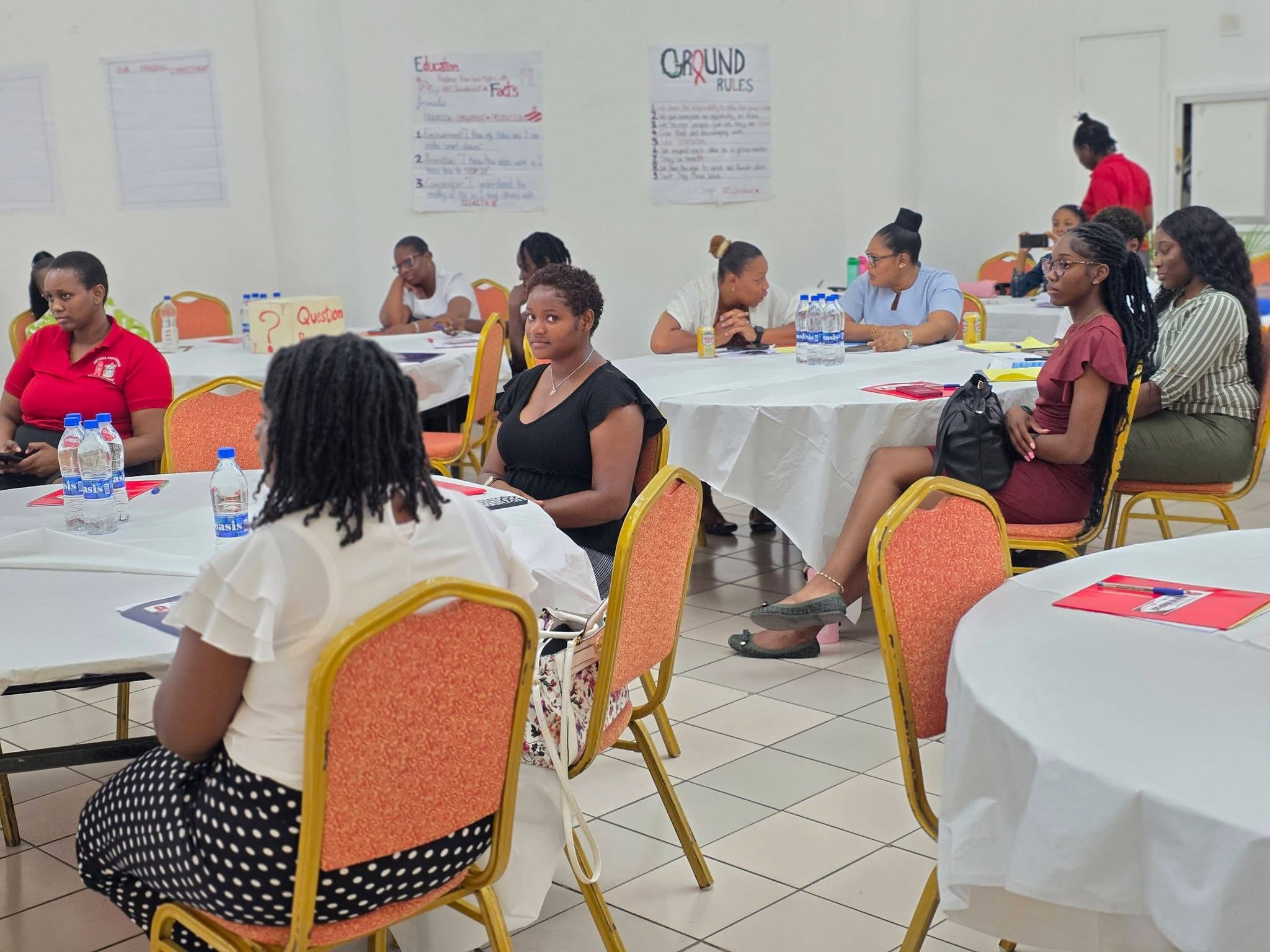
A cross-sector gathering of public and private industry professionals kicked off this week in Antigua and Barbuda for a comprehensive five-day professional development workshop, hosted by the country’s AIDS Secretariat at the Multipurpose Cultural and Exhibition Centre. The targeted training initiative was crafted to deepen participants’ expertise and build core capacities to address HIV and AIDS, alongside connected public health and social issues, within workplaces — all while advancing the creation of inclusive, supportive environments free from discriminatory practices.
Organizers have structured the workshop to cover a broad, interconnected set of topics that extend far beyond basic HIV and AIDS education. Session themes include mental health support, building healthy interpersonal relationships, the ongoing harms of stigma and discrimination, prevention and management of sexually transmitted infections (STIs), the critical importance of patient and client confidentiality, and the intersection of HIV care with substance abuse support. By working through these modules, participants are gaining actionable tools to better support employees, clients, and general community members who interact with their organizations, while helping to build workplaces rooted in shared values of respect, professional accountability, and compassion.
In his opening keynote address, Hon. Michael Joseph, Minister of Health, Wellness, Environment and Civil Service Affairs, centered his remarks on the often unseen impacts of professional action on vulnerable communities. Joseph reminded attendees that countless people living with HIV navigate invisible daily burdens, and that the words, choices, and actions of working professionals across all sectors can reshape those experiences for better or worse.
The minister emphasized that while decades of scientific progress have transformed HIV from a fatal diagnosis into a manageable chronic health condition, systemic barriers continue to block life-saving care. Stigma, cultural fear, widespread misinformation, and formal and informal discrimination remain the largest obstacles to widespread routine testing, consistent treatment, and equitable care access. Ending the national HIV epidemic, he argued, is not exclusively a medical or public health challenge — it is a shared social responsibility that demands widespread empathy, intentional understanding, and coordinated collaboration across every industry and sector.
Joseph also expanded on the critical role of confidentiality in HIV care and support, noting that this standard is far more than a box-ticking professional requirement. It is a core promise to protect every individual’s inherent dignity and right to privacy. He closed his remarks by urging participants to carry the lessons and strategies learned throughout the workshop back to their home workplaces, building spaces where people feel safe seeking help, disclosing their status or concerns without fear of retaliation or discrimination, and accessing the targeted support they need to thrive.
Delcora Williams, AIDS Programme Manager for the initiative, drew attention to shifting national trends in HIV spread, highlighting a worrying upward trend in new cases among the 16 to 24-year-old age group. Williams reinforced the importance of routine testing to help individuals know their status, and reminded attendees that accessible public education, early diagnosis, and supportive workplace policies are non-negotiable components of effective national prevention and care frameworks.
Stacey Gregg-Paige, Permanent Secretary in the Ministry of Health, Wellness, Environment and Civil Service Affairs, also joined the official opening ceremony to mark the launch of the workshop.
Overall, the five-day training represents a concrete commitment from both the Ministry of Health and the Antigua and Barbuda AIDS Secretariat to build the confidence, cultural sensitivity, and professional skill set of cross-sector professionals to address HIV and its connected social and health challenges. After completing the workshop, participants will bring their new knowledge and skills back to their home workplaces, with the goal of expanding environments where confidentiality is prioritized, stigma is actively challenged, and every person is treated with equal dignity and compassion.