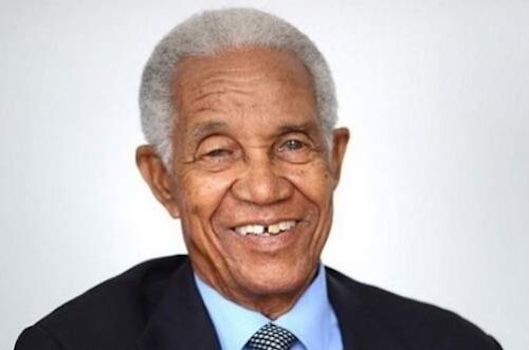
The global cricket community and the Caribbean region are in mourning this week following the death of Sir Garfield Sobers, widely regarded as the greatest all-round cricketer in the history of the sport and one of the West Indies’ most beloved cultural figures. In an official statement released on behalf of the Organisation of Eastern Caribbean States (OECS), Director General Dr. Didacus Jules reflected on Sobers’ extraordinary life and enduring legacy, extending heartfelt condolences to Sobers’ family, the people of his home nation Barbados, and Caribbean communities worldwide who have long claimed the athlete as their own.
Sobers’ career on the cricket pitch remains unmatched in the sport’s modern history. He embodied the ideal of a complete cricketer, bringing unmatched artistry to every role he filled: as a batsman, he played with a breathtaking, almost effortless grace that captivated crowds; as a bowler, he mastered three distinct styles of the craft, keeping opposing teams constantly off-balance; and as a fielder, his sharp instinct and athleticism turned routine plays into memorable moments. His record-breaking 365 not out in Test cricket stood as the highest individual score in the format for 36 years, while his feat of hitting six consecutive sixes in a single over endures as one of the most iconic and daring acts in global sport. Over the course of 93 Test matches, Sobers scored more than 8,000 runs, and as captain of the West Indies team, he led with remarkable imagination, courage, and national pride.
But Dr. Jules emphasized that Sobers’ greatness extends far beyond the statistical milestones he achieved over his decades-long career. Born and raised in the working-class Bay Land neighborhood of Bridgetown, Barbados, Sobers rose to the pinnacle of a sport that, for generations, barred Black Caribbean people from competing at the highest levels. Emerging at a moment when the British Empire was unraveling across the Caribbean, Sobers stood as living proof that Caribbean excellence demanded no validation from colonial powers. For the first time, a Black West Indian man was universally recognized as the greatest in the world at his craft, and the scattered small island nations of the region saw themselves reflected in his success: unified, self-assured, and truly independent.
Beyond the boundary ropes, Sobers played a pivotal role in forging a collective regional identity for the young post-independence nations of the West Indies. The hard-won shared sense of dignity and collective triumph that binds the Caribbean together carries an immeasurable debt to the Barbadian athlete who forced the world to stop and recognize Caribbean brilliance. A National Hero of Barbados who was knighted on his home soil, Sobers never distanced himself from his working-class roots, and his home nation has already pledged that his legacy will never be forgotten.
In closing his statement, Dr. Jules reaffirmed the OECS’s solidarity with Sobers’ widow Lady Sobers and the entire Sobers family, as well as with the people of Barbados as they grieve. “To Sir Garfield, we say only: thank you — for the runs, the wickets, the pride, and the freedom you helped us feel,” the statement read. “Rest well, Master.”
This note from NOW Grenada: The outlet is not responsible for the opinions, statements, or third-party media content shared by contributor. Users may click here to report any content that violates community guidelines.