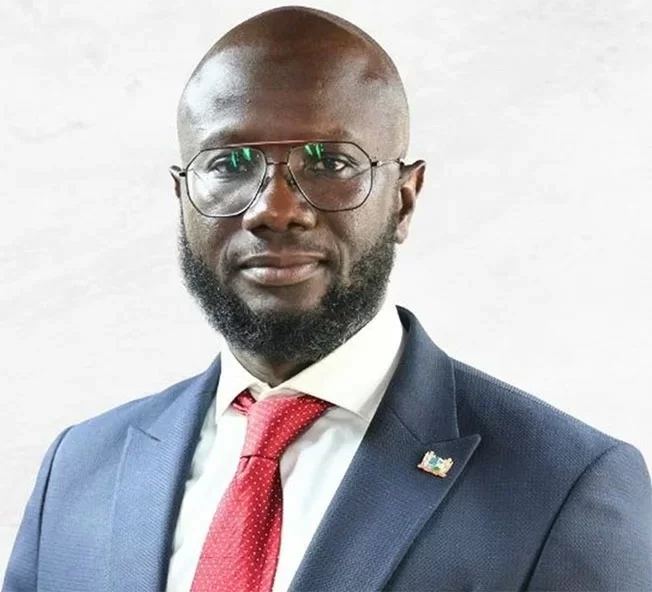
Suriname’s National Assembly is moving toward a dedicated thematic plenary session focused on the country’s worsening public safety crisis, but the path forward hinges on a key procedural vote scheduled for Tuesday. Ahead of that vote, Assembly Speaker Ashwin Adhin has called a Monday meeting with parliamentary faction leaders to align on the proposal to establish a formal standing security committee, a prerequisite for holding the requested thematic debate.
The push for a focused debate on rising insecurity emerged after heated recent parliamentary discussions that saw multiple lawmakers level sharp criticism at the security policies and public response of Harish Monorath, Minister of Justice and Police. But NDP parliamentary faction member Ebu Jones has upended the conversation by calling out his fellow legislators for performative criticism, pointing to a gap between public grandstanding and behind-the-scenes oversight work.
Jones argued that far too many lawmakers skip closed-door committee meetings where security policy is discussed directly with the minister, only to deliver vocal criticism during televised public plenary sessions when cameras are rolling. Committees, he emphasized, are the core venue for legislators to conduct early oversight and adjust policy before issues escalate. In practice, he noted, the permanent standing committee for Justice and Police rarely meets with a quorum, with only a handful of members in attendance most sessions.
“If security is truly as critical an issue as we claim it is, we need to show up even when there are no cameras rolling,” Jones said in an interview with Starnieuws. He added that even legislators who do not hold formal seats on the justice and police committee can attend as observers and contribute to the work, and pushed back against suggestions he was defending Minister Monorath. “This is not about protecting Monorath. This is about our own responsibility as elected representatives. The security challenge is far too important to turn it into a political show,” Jones stated.
Jones also noted that an ad-hoc security committee already exists in parliament, chaired by Rabin Parmessar. The panel, which includes all faction leaders, was created after former government coordination minister André Misiekaba brought the alarming security situation in the country’s interior to legislative attention, and has held a small number of meetings to date. According to Jones, the committee’s faction leaders failed to deliver on their core mandate: they should have led in-depth investigations, produced a formal public report to the full assembly, and laid the groundwork for targeted talks with the administration on necessary policy reforms and additional budget allocations for security services.
Beyond criticizing procedural failures, Jones also highlighted a key security concern around open debate: not all elements of the national security landscape can or should be discussed in public sessions. Details on the operational readiness, capabilities, and vulnerabilities of the military, police, and other security services should be debated in a closed committee of the whole assembly, he argued. Open public discussion of these details risks exposing sensitive information that could undermine national security, he added.
Following Adhin’s Monday consultations with faction leaders, a procedural vote will be held during Tuesday’s internal housekeeping session to approve the creation of the new security committee. Once that step is complete, the date for the long-awaited thematic plenary debate on national security will be finalized.