The Caribbean nation of Barbados is this week mourning the loss of one of its most celebrated citizens, cricket icon and National Hero Sir Garfield St Aubrun Sobers, and no institution is marking his passing with more heartfelt reflection than the Barbados Police Service. The force, which played an uncredited foundational role in launching Sobers’ legendary sporting career, has paid warm tribute to the all-rounder, framing his life as a timeless beacon of excellence, discipline and unshakable national pride for all Barbadians.
Though Sir Garfield never served as a sworn police officer, his path to international stardom began when he was just a 15-year-old Police Band cadet. It was Inspector Wilfred Farmer, then captain of the Police First Division team competing in the Barbados Cricket League, who first spotted the young left-arm bowler’s extraordinary raw talent. For the 1951–1952 season, Farmer extended a formal invitation to Sobers to join the police squad, a opportunity that would alter the trajectory of cricket history.
That early spot on the Police First Division team proved to be the critical stepping stone Sobers needed to grow his craft. Competing against top-tier regional batsmen allowed the teenage prospect to refine his skills far faster than he could have in lower-level local competition. It also put his talent on the radar of selectors, opening the door to trials for the Barbados national side, his first-class debut in 1953, and his historic Test debut for the West Indies just one year later.
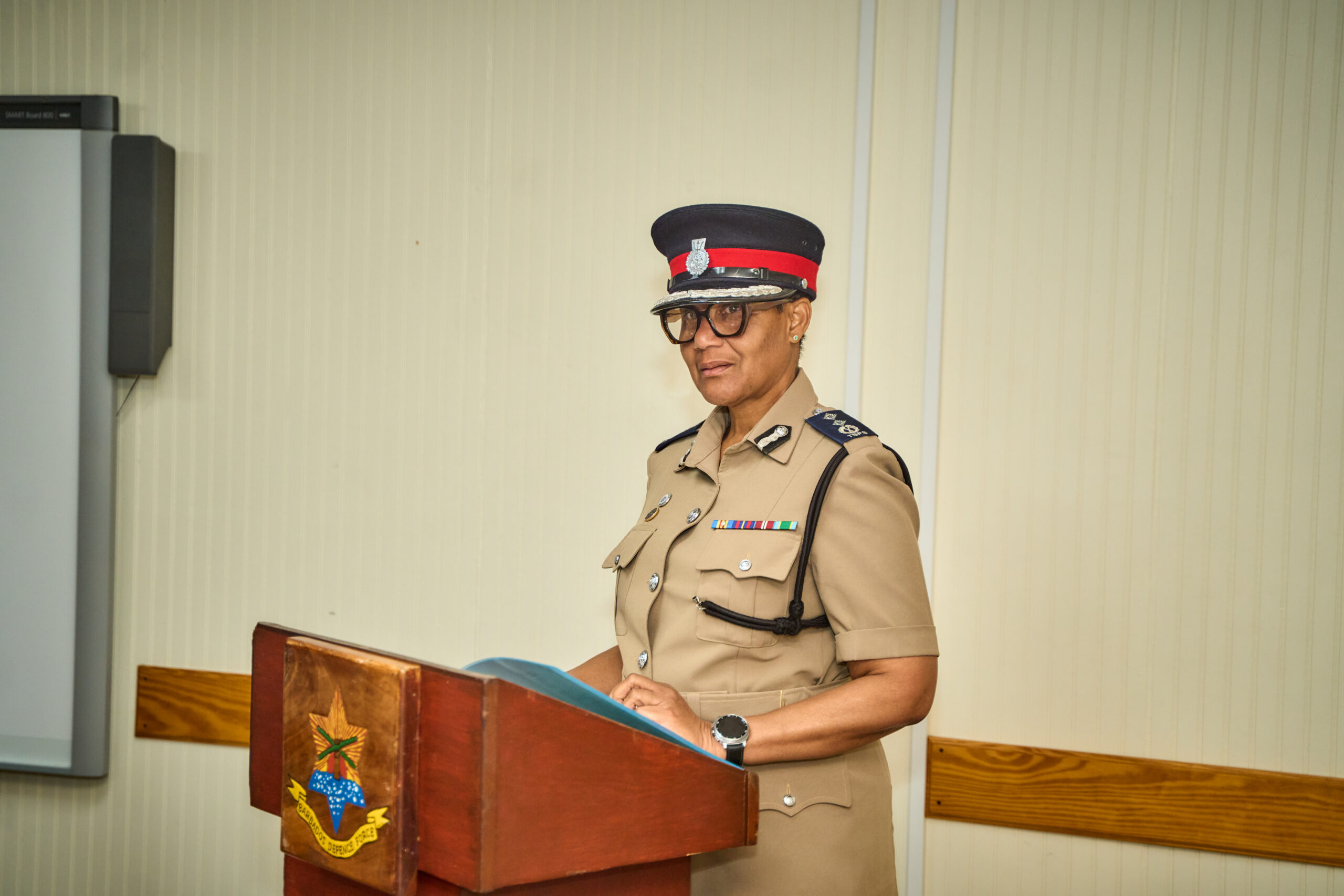
In an official statement released Friday, Barbados Police Commissioner Sonia Boyce extended condolences on behalf of every officer and staff member of the force to Sir Garfield’s family, friends, and millions of admirers across the globe. “It is with profound sadness that I…on behalf of the men and women of The Barbados Police Service, extend heartfelt condolences to the family, friends, colleagues, and countless admirers of The Right Excellent Sir Garfield St Aubrun Sobers,” Boyce said.
Boyce emphasized that Sir Garfield’s impact extended far beyond the boundary of any cricket pitch, describing him as “more than a cricketing legend”. “He was a son of Barbados whose extraordinary gifts, discipline, humility, and love of country carried the name of this island to every corner of the world,” she added. Widely recognized as one of the greatest all-rounders to ever play the game, Sir Garfield inspired generations of cricketers not only through his performances with bat and ball, but through his quiet leadership and the unwavering dignity with which he represented Barbados and the entire West Indies region, Boyce noted.
For the Barbados Police Service, Boyce explained, Sir Garfield’s passing carries extra weight because of the decades-long bond between the institution and the legend. Long before Farmer rose to the rank of deputy police commissioner, he identified the teenager’s potential at the Police Sports Club, and his early confidence in Sobers created space for the young prospect to develop within the force’s sporting fraternity. Beyond his time on the First Division squad, Sir Garfield also cut his teeth through involvement with the Police Boys’ Club and the Police Band, all of which gave him access to structured competitive cricket during his formative teenage years.
Today, that shared history is permanently enshrined at the Police Sports Club in Weymouth, where interpretive panels mark the exact spot where “a national hero’s legendary journey took flight”, Boyce said. The force has always treasured that connection, she added, and Sir Garfield’s life stands as a powerful reminder of what young talent can achieve when paired with discipline, perseverance, and national pride.
“His life demonstrated that talent, when joined with discipline, perseverance, and pride in country, can transcend circumstance and leave an enduring mark on the world,” Boyce said. “May his family find comfort in the gratitude of a proud nation, and may his legacy continue to inspire future generations. May he rest in peace.”