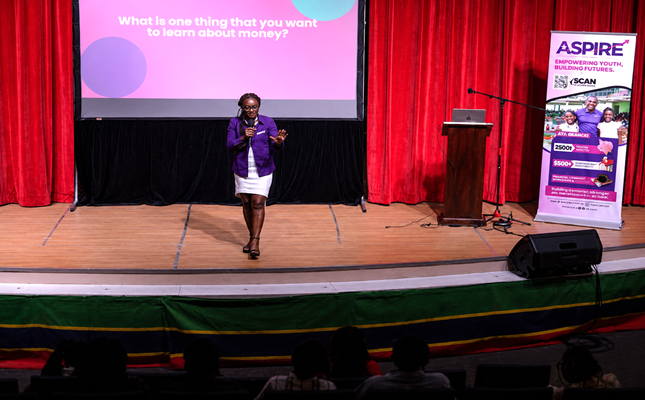
In a proactive push to strengthen youth financial literacy ahead of their transition into adulthood, dozens of final-year high school students from across Nevis gathered this week for the ASPIRE Financial Symposium, an interactive skills-building event focused on equipping young people with practical money management knowledge.
Held at the Nevis Performing Arts Centre (NEPAC) and led by stakeholders including the Eastern Caribbean Central Bank, the half-day event forms a key component of the St. Kitts and Nevis national financial education initiative branded ASPIRE, short for Achieving Success through Personal Investment, Resources and Education. The overarching program was developed to arm young citizens across the federation with the foundational knowledge, practical skills and self-assurance required to build stable, long-term financial futures.
Speaking at the symposium’s opening ceremony, Honourable Troy Liburd, Minister of Education and Youth within the Nevis Island Administration (NIA), praised the federal government for launching the impactful initiative, emphasizing the lifelong value of early financial discipline.
“Learning how to manage resources intentionally and put money to productive use is a discipline that serves people for their entire lives,” Liburd said. “I want to commend our Federal Government for putting this initiative in place. It’s a wonderful project, and I hope all young people embrace what ASPIRE has to offer. It will set the younger generation of the federation on strong footing for saving and investing for their future.”
Unlike traditional classroom-based financial lectures that rely heavily on theory, the ASPIRE Symposium centered on hands-on, engaging activities that let students apply core financial concepts to real-world scenarios. Curriculum covered all the critical topics new adults need to navigate independent finances: opening and maintaining a personal bank account, monthly budgeting basics, core strategies for saving and investing, how credit works and the responsibilities that come with borrowing, and frameworks for setting aligned financial and career goals.
The event kicked off with icebreaker exercises that prompted students to reflect on their own existing attitudes toward money. One of the most popular interactive activities, “Sort That Expense,” challenged participants to categorize spending items into needs and wants, a core skill for building realistic budgets. Another simulation, “Living on a 20 Green Leaves Income,” asked teams to manage a fixed monthly household income, make spending tradeoffs aligned with their priorities, and balance competing demands on a limited budget.
A dedicated guest presentation from the Eastern Caribbean Central Bank introduced attendees to the ECCU First Step Savings Account, a specialized product designed to help new savers build their first financial safety net. Additional activities covered smart consumer shopping strategies, step-by-step financial goal-setting, and vision boarding exercises to encourage students to visualize and plan for their long-term financial aspirations. Through collaborative group work and a spoken word competition, participants also explored the interconnected relationship between their career goals, expected future income, regular budgeting, and consistent saving.
To reinforce core concepts, organizers integrated quizzes and guided discussions on foundational economic and financial principles including compound interest, the impact of inflation on purchasing power, and long-term saving strategies. These activities helped students understand how small, everyday financial choices can accumulate to shape their long-term financial well-being.
The ASPIRE program is rooted in the core vision of embedding responsible financial management habits in young people from an early age, before they face the independent financial responsibilities of post-school life. By combining structured education, interactive entertainment, and hands-on practical experience, the initiative makes financial literacy accessible and relevant to young learners, while building positive habits that create ripple benefits for students, their families, and entire communities.
Following the conclusion of the symposium, event organizers shared that they are confident the program provided participating school leavers with the actionable tools they need to navigate new financial responsibilities, pursue their personal and professional ambitions, and make informed, sound financial choices as they move into the next phase of their lives.