As the Atlantic hurricane season brings heightened risk of destructive storms to Caribbean nations including the Bahamas, a leading disaster preparedness expert has issued a critical recommendation to local families: equip every young child with a customized identification badge before a storm makes landfall, to speed up family reunification if separation occurs during emergency response.
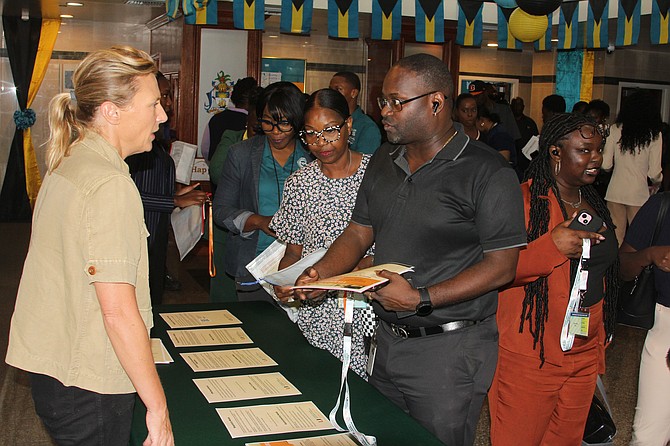
Dr. Kendra Van Kirk, senior advisor for community engagement and education at the University of Miami’s Global Institute, laid out this guidance during Thursday’s “Stronger Than the Storm – Hurricane Preparedness” workshop hosted at the Collab Unit of the Ministry for Grand Bahama. The initiative is the result of a collaborative partnership between the University of Miami and the Grand Bahama Ministry, designed to deliver accessible, targeted disaster preparedness education to children, their families, and the community professionals that support them.
As part of the outreach program, Dr. Van Kirk has already toured multiple Urban Renewal summer camps across the region, where she connected directly with young attendees and walked attendees through the custom ID badges the institute has developed for this purpose. She emphasized that the ID badges fill a particularly critical gap for two vulnerable groups: very young children who cannot share personal or family information, and children living with developmental conditions including autism spectrum disorder and attention-deficit/hyperactivity disorder, who may struggle to communicate their identity or family contact details in the chaos of a disaster evacuation or emergency response.
Each of the custom-designed badges includes a sealed, secure compartment that stores key emergency and medical details: the child’s full name, family contact information, pre-existing health conditions, current required medications, and known allergies. This information allows first responders and temporary caregivers to deliver appropriate, timely medical care while working to reconnect the child with their family.
Beyond the ID badge recommendation, Dr. Van Kirk used the workshop platform to urge Bahamian families to move away from the common habit of last-minute hurricane preparation. Too often, she noted, families leave critical prep work until a hurricane is already bearing down on the islands, leaving little time to address key details that can protect vulnerable family members.
She encouraged households to complete three core preparedness steps well in advance of any storm threat: assemble a fully stocked emergency supply kit, develop a clear household emergency action plan, and pre-identify a designated meeting point where all family members can gather if separation occurs during evacuation or storm response. The ongoing partnership program also offers additional resources for families, including evidence-based guidance on managing storm-related stress and building long-term disaster resilience for children, young people, and their caregivers.