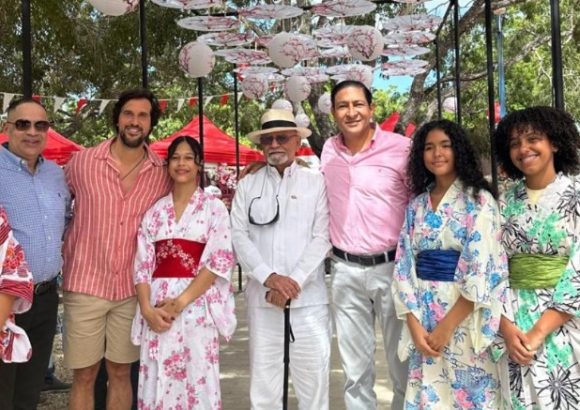
Seven decades after the first Japanese families settled on Dominican soil, the Caribbean nation is preparing to host a landmark cultural celebration to honor the enduring legacy of Japanese immigration. Named Dajapón Fest 2026 – Special 70th Anniversary Edition, the upcoming festival will celebrate the profound, multifaceted contributions that Japanese immigrants and their descendants have made to Dominican agricultural progress, cultural enrichment, and social development across the country.
The two-day event is scheduled to run from August 1 to 2, 2026, and will be hosted at the Japanese Colony Park located in La Vigía, Dajabón. This location holds deep historical significance: it is the exact site where the very first Japanese settlement in the Dominican Republic was founded back in 1956, following a bilateral immigration cooperation agreement signed between the Japanese and Dominican governments. Event organizers confirm that Dajapón Fest 2026 will be the largest Japanese cultural gathering ever held across the nation.
A key milestone of this 70th anniversary edition is that it will, for the first time, bring together official representatives from Japanese communities across every major region of the Dominican Republic, including Jarabacoa, Constanza, La Altagracia, Aguas Negras, Neiba, Duvergé, and Manzanillo. The festival will function as a long-awaited nationwide reunion for descendants of the original 1956 Japanese immigrants, while also extending an open invitation to all visitors who wish to experience and engage with traditional and modern Japanese culture.
Attendees will have a wide range of immersive cultural activities to enjoy across both days, with the event open from 10 a.m. to 10 p.m. daily. Highlights include authentic traditional Japanese cuisine tastings, live martial arts demonstrations, diverse cultural performances, traditional folk dance showcases, a special exhibit of historical samurai armor, family-friendly cultural games, and a public celebration of the beloved Bon Odori festival.
Beyond cultural celebration, the festival also serves as a formal recognition of the lasting impact that early Japanese immigrants have had on the Dominican agricultural sector. It also reaffirms the deep, long-standing friendship that has developed between Japan and the Dominican Republic over the past 70 years, a bond rooted in the 1956 cooperation agreement that first opened the door for Japanese immigration to the Caribbean nation.