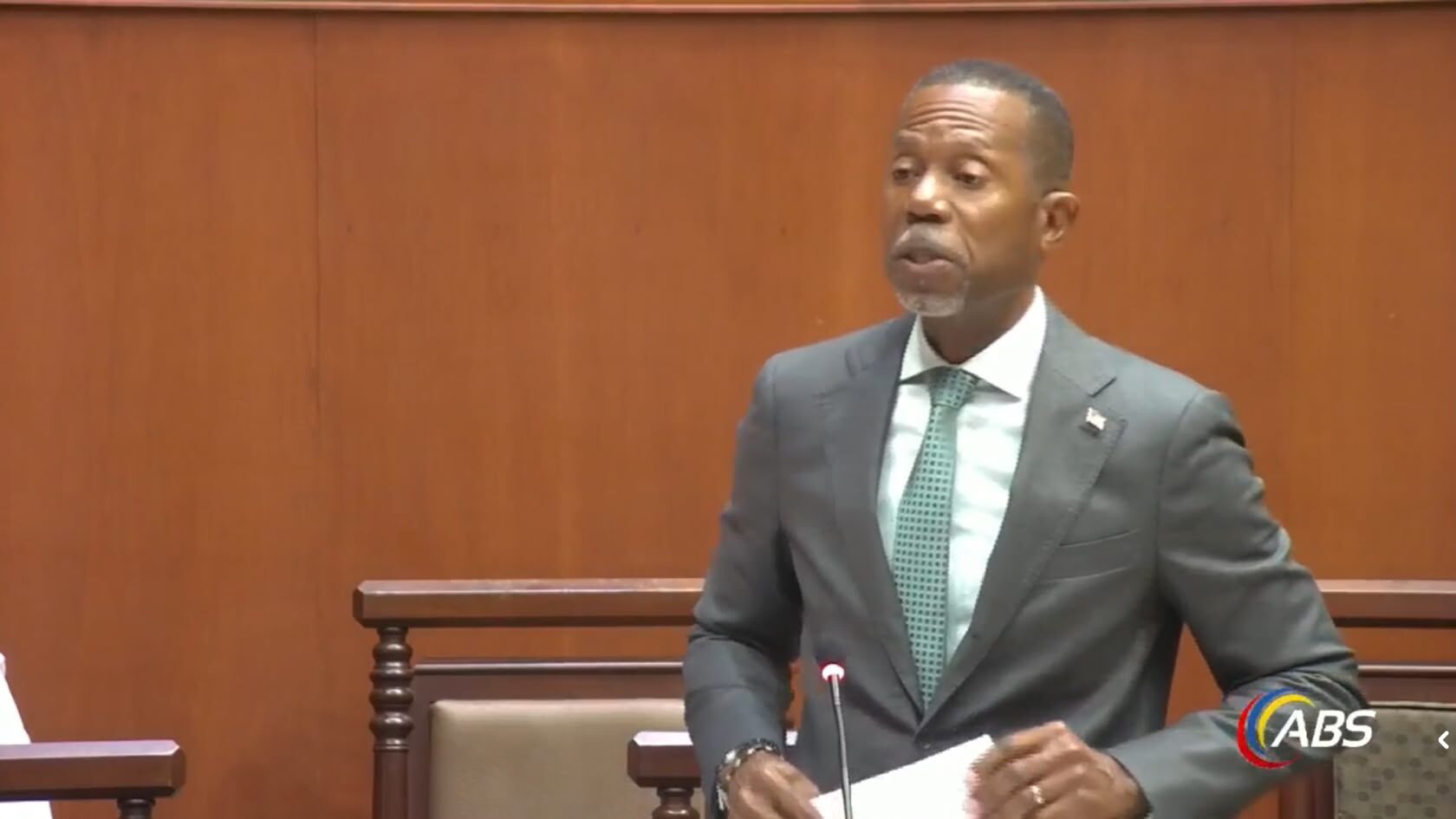
In a heated parliamentary debate held this Tuesday in St. John’s, Antigua, Trevor Walker, the Member of Parliament representing Barbuda, delivered sharp criticism of the Gaston Browne-led government’s procedural handling of a draft memorandum of understanding (MOU) with the United States focused on potential third-country national transfers. The debate centered on a government resolution laying out core principles for ongoing negotiations with Washington, but Walker’s objections centered on the extremely limited timeline lawmakers were given to review the full MOU text before the vote on the authorizing resolution.
Walker argued that no opposition lawmakers had received the document prior to the day of the sitting, and even suggested that many ruling party parliamentarians likely lacked sufficient time to conduct a detailed line-by-line review of the agreement. The text of the MOU was only circulated to members moments before the parliamentary session convened, leaving legislators with no opportunity to cross-reference its terms with the government’s previously published White Paper and the draft resolution laid out for debate.
“ I don’t know if anybody in this Honourable House had seen this MOU before today,” Walker told the chamber. “Maybe some members on the government side saw it, but I certainly didn’t.”
Beyond the compressed timeline, Walker raised red flags about the version of the document distributed to legislators, noting that the circulated text remained unsigned. He called for clarity on whether this draft reflected the final negotiated position agreed to by both Antigua and Barbuda and U.S. officials, pointing out that such fundamental uncertainties prevent parliament from carrying out its core oversight responsibility of scrutinizing major international agreements before endorsement.
“ We have to know exactly what it is we’re debating,” Walker said, emphasizing that increased transparency around the negotiating process is critical to maintaining public trust in the country’s diplomatic decision-making. He stressed that his criticism was not an attempt to damage the longstanding bilateral relationship between Antigua and Barbuda and the United States, but rather a push to protect parliamentary sovereignty and ensure that legislators can properly fulfill their duty to examine matters that touch on the country’s sovereign status and binding international obligations.
In response to Walker’s objections during the later stages of the debate, Prime Minister Gaston Browne pushed back against the criticism. Browne noted that the government’s White Paper outlining the core framework of the agreement and the draft resolution for parliamentary approval had been circulated to members well in advance of the sitting. He clarified that the MOU itself is not a finalized, legally binding agreement, and that it is standard diplomatic practice to not publicly distribute draft correspondence between sovereign governments prior to finalization. Following the exchange, a signed copy of the draft MOU was subsequently provided to all parliamentary members.