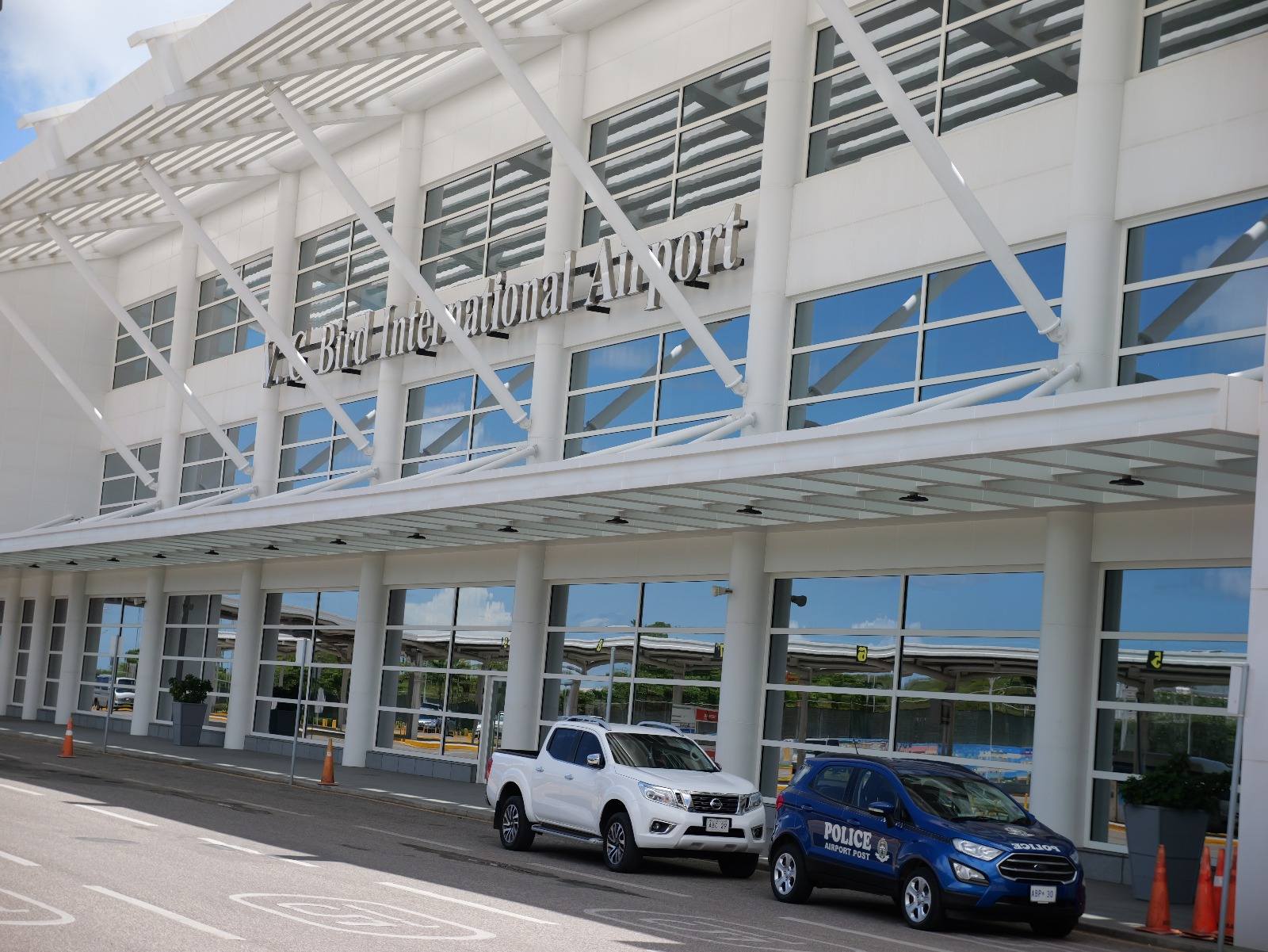
On Tuesday, Antigua and Barbuda’s House of Representatives passed the landmark Airport Administration Charge (Amendment) Bill, 2026, greenlighting a $10 incremental increase to airport administration fees for all passengers departing the country for destinations outside the Caribbean. Prime Minister Gaston Browne told lawmakers the adjustment is a core policy step designed to strengthen regional aviation systems, upgrade critical airport infrastructure, and deliver consistent, reliable funding to key regional governing institutions. The fee hike forms a central component of a broader collective agreement reached between leaders of the Organisation of Eastern Caribbean States (OECS) and the Caribbean Community (CARICOM), which aims to build a more predictable, sustainable financing framework for shared regional bodies, Browne explained. For years, member states across both blocs have accumulated tens of millions of dollars in unpaid institutional contributions, with Antigua and Barbuda itself carrying decades of outstanding arrears. Browne pushed for a shift toward automatic, consistent contribution payments, noting the new revenue stream will directly address the persistent funding gaps that have hampered regional institutions’ operations. Of the $10 in additional revenue generated per eligible passenger, $2.50 will be allocated directly to the Eastern Caribbean Civil Aviation Authority (ECCAA). This funding is critical to Antigua and Barbuda’s ongoing push to regain Category 1 aviation safety status from the U.S. Federal Aviation Administration (FAA), a designation that would open new travel opportunities for regional carriers. Restoring Category 1 status is a non-negotiable prerequisite for regional airlines including LIAT to operate direct routes to U.S. destinations, spanning the U.S. Virgin Islands, Puerto Rico, and the U.S. mainland, Browne stressed. “Many residents of the U.S. Virgin Islands have already requested direct air connections between the territory and Antigua and Barbuda, as well as other OECS member states,” Browne said. “But that goal is impossible to achieve until we restore our Category 1 safety status.” The prime minister commended ECCAA Director Anthony Whitaker and his team for resolving the safety deficiencies that were flagged in past FAA reviews, and he expressed optimism that the authority will successfully regain the designation following a formal FAA assessment scheduled for later this year. Even if the assessment results are positive, however, Browne warned that long-term success depends on consistent, adequate financing for the regional aviation regulator. Currently, ECCAA’s existing headquarters in Antigua and Barbuda lacks the space to hire and accommodate the additional qualified staff required to maintain Category 1 standards. The guaranteed, steady revenue from the fee hike will deliver the financial stability the regulator needs to move forward with constructing a new purpose-built headquarters, he confirmed. Beyond supporting ECCAA and aviation safety upgrades, the new revenue will deliver broader benefits across the region and Antigua and Barbuda. Browne noted that the additional funds will allow the country to make more consistent, on-time contributions to OECS and CARICOM institutions, gradually reduce its longstanding arrears, fund national climate resilience projects, and ensure the country has sufficient resources for ongoing airport infrastructure maintenance. The government recently completed a $55 million project to repair and expand V.C. Bird International Airport, and the new revenue stream will protect that public investment through consistent, long-term maintenance, he added. In a key clarification, Browne emphasized that the fee adjustment will not impact passengers traveling within the Caribbean. No increase will apply to regional air travel originating or ending within the bloc; the full $10 hike only applies to passengers traveling to destinations outside the Caribbean from Antigua and Barbuda. “This does not affect regional travelers at all – there is zero increase to the regional airport charge,” Browne told assembled legislators. “This fee only applies to people traveling externally from Antigua and Barbuda, outside of the Caribbean region.”
Parliament Approves US$10 Airport Charge Increase to Fund Aviation, Regional Obligations