Caribbean community leaders have taken a decisive step to place demands for reparatory justice for centuries of transatlantic slavery and colonial exploitation at the top of the agenda for the upcoming Commonwealth Heads of Government Meeting (CHOGM), intensifying a years-long regional campaign to hold former colonial powers accountable for lasting harm. The landmark commitment was formally outlined in an official communiqué released at the conclusion of the 51st Regular Meeting of the Caribbean Community (CARICOM) Conference of Heads of Government, which gathered regional leaders in Saint Lucia between July 5 and 8.
During the four-day summit, CARICOM heads formally approved the “CARICOM Ten Point Plan for Reparations: A Manifesto for the Coming Enlightenment” and threw their collective weight behind a series of coordinated initiatives designed to move the regional reparations movement forward ahead of November’s CHOGM, which will be hosted this year by Antigua and Barbuda. One of the core priorities agreed upon is building a unified, high-profile advocacy push for reparations during the Commonwealth gathering, which will bring together leaders from all member nations—including several European states that built colonial empires across the Caribbean centuries ago.
Beyond the CHOGM advocacy effort, the regional bloc has committed to deepening its existing collaborative partnership with the African Union on reparations work. Leaders also formally pledged their support for the Third Regional Conference on Reparations, set to take place in Barbados on September 18 and 19, as well as the official unveiling of the Newton Enslaved Burial Ground Memorial, scheduled to open in Barbados alongside the November CHOGM.
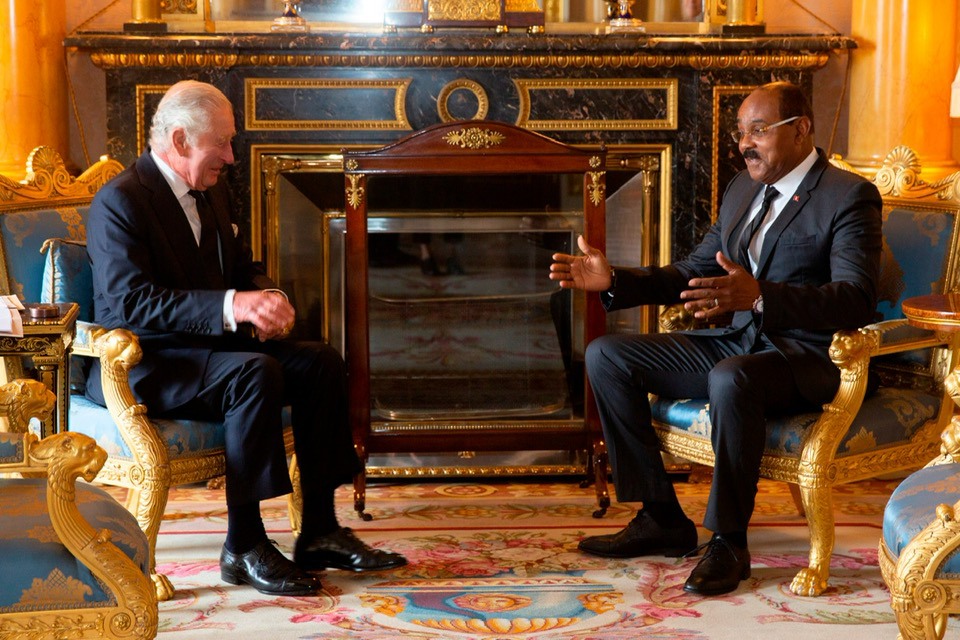
In a key show of regional solidarity, CARICOM leaders unanimously backed Jamaica’s upcoming official reparations petition to King Charles III, which Jamaican representatives will formally present in London on September 7. This petition is one of many tangible actions that fall under CARICOM’s broader goal of securing full reparatory justice from former colonial powers, pointing to the persistent intergenerational social and economic inequalities that trace their roots directly to the transatlantic slave trade and centuries of colonial rule.
The agreement transforms the November CHOGM into a defining moment for the Caribbean reparations movement, placing host nation Antigua and Barbuda at the center of one of the most consequential diplomatic campaigns the region has pursued in modern history.