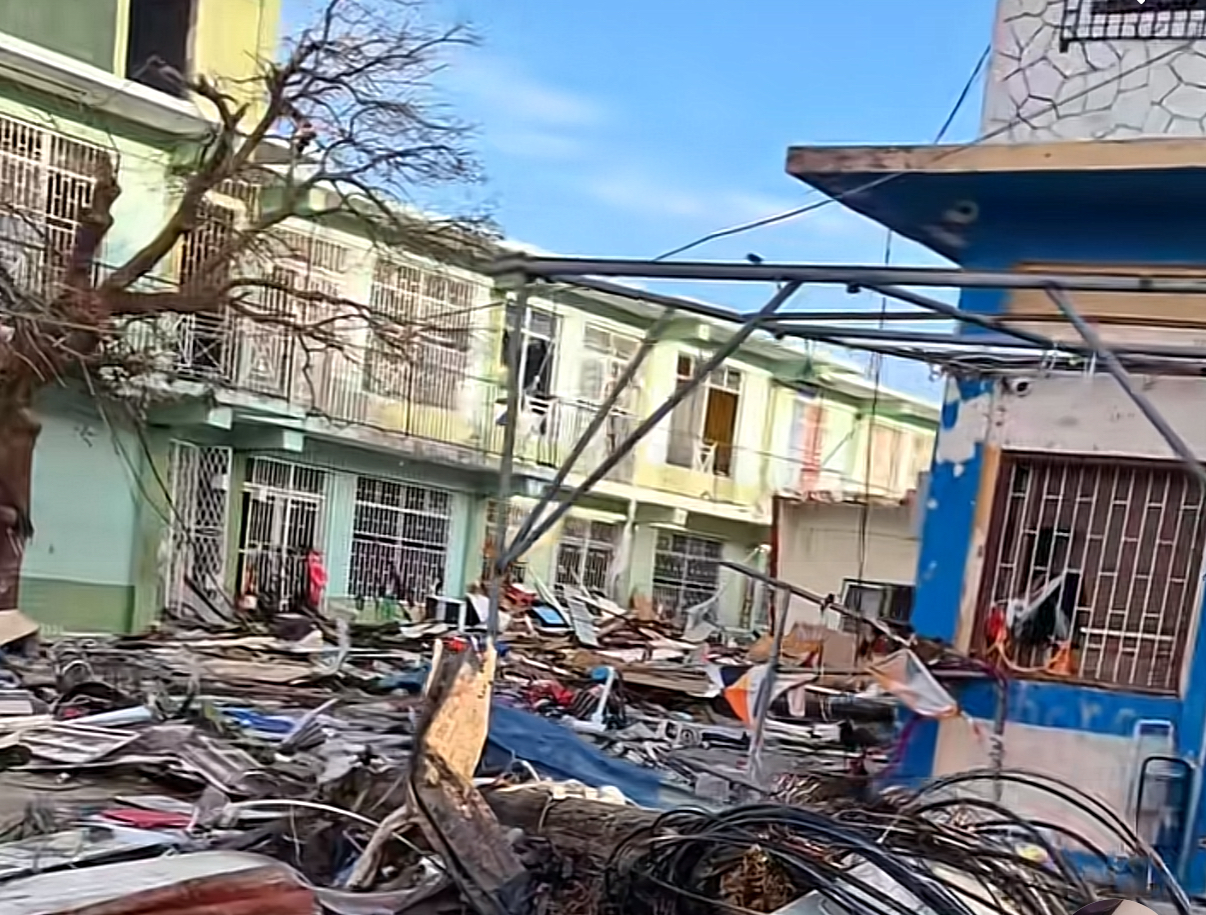
Against a backdrop of rapidly intensifying climate-driven extreme weather that has sent insurance premiums soaring across island nations, leaders from the Caribbean Community (CARICOM) have taken a decisive step forward by voting to develop a coordinated regional insurance and reinsurance framework. The landmark decision was reached during the 51st Regular Meeting of CARICOM’s Conference of Heads of Government, where regional policymakers prioritized closing the growing protection gap that leaves millions in critical infrastructure underinsured or entirely uninsured.
Meeting documents from the summit highlight a pressing shared concern: more powerful and frequent hurricanes, amplified by global climate change, have driven up the cost of comprehensive catastrophe coverage to unaffordable levels for both public entities and private businesses across the bloc. Many member states have found themselves locked out of adequate coverage, leaving core sectors vulnerable to crippling financial losses when disasters strike.
To tackle this growing risk, leaders have agreed to assess the expansion of existing regional catastrophe risk insurance programs. The proposed expansion would extend protection to tourism infrastructure—an economic backbone for most Caribbean nations—especially hotels and resort facilities that draw millions of international visitors annually. It would also cover critical social and economic assets, including hospitals that serve as first responders during public health and climate emergencies. Notably, the framework will also explore adding coverage for losses related to global pandemic events, a response to lessons learned during the COVID-19 crisis that devastated regional tourism.
Moving forward, CARICOM will convene a dedicated Reinsurance Task Force to advance the coordinated strategy, with the core goals of expanding access to affordable coverage and strengthening the region’s overall financial resilience in the aftermath of disasters. The initiative comes as Caribbean nations, which contribute less than 1% of global greenhouse gas emissions but bear a disproportionate share of climate change’s worst impacts, continue to search for innovative, collective solutions to reduce systemic financial risk while protecting their two most vital sectors: tourism and public healthcare.