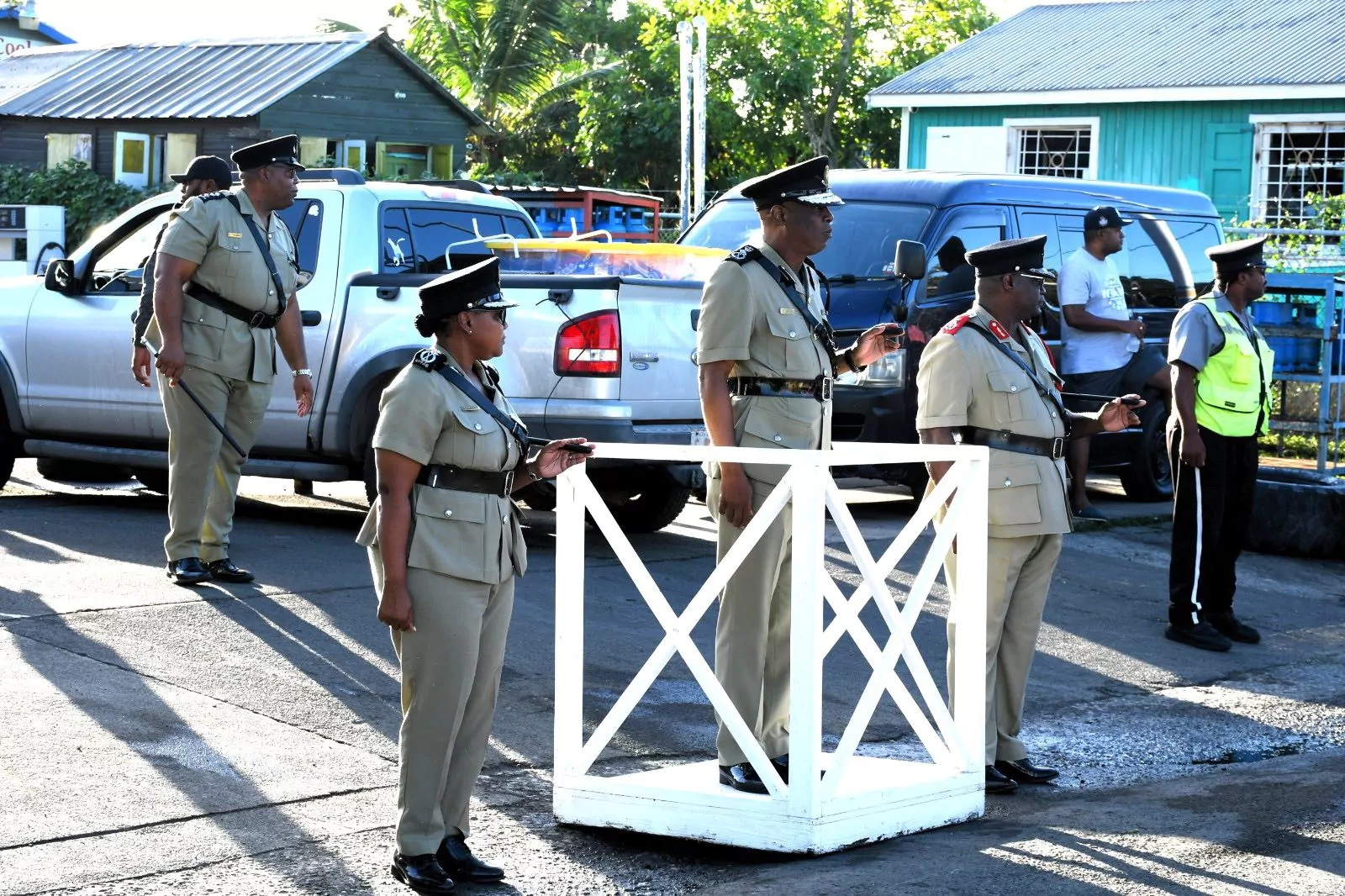
After seven years of unmet appeals, the Police Welfare Association has reissued its call for national policymakers to enact a dedicated risk allowance for active-duty police officers, arguing that the daily life-threatening hazards of law enforcement work continue to be overlooked by the country’s governing bodies.
Association Chairperson Virlica Chatham outlined the long history of the campaign in an interview with Observer Media, explaining that the push for targeted hazard compensation launched all the way back in 2017. To date, no separate payment structure has been established to acknowledge the unique dangers officers face on every shift. While officers currently receive a general duty stipend to cover overtime work, Chatham emphasized that this compensation does not address the persistent risk of bodily harm or death that comes with policing.
The push for the allowance has grown far more urgent in recent months, Chatham noted, following a string of violent attacks that have left multiple officers injured. Over the past 12 months alone, three different officers were hit by gunfire during the course of their duties. One of those officers required an amputation to save their life after being shot, while the others suffered lasting injuries from the attack.
Chatham also highlighted a more recent high-profile incident to underscore her point: the July 3 injury of Senior Sergeant Jeffery Benjamin, who was struck by a moving truck while on duty along Valley Road. The incident, which occurred in a public, high-traffic area, serves as just one more example of the unplanned, life-altering risks officers encounter that are not currently recognized in their compensation packages.
Beyond the push for financial compensation, Chatham also drew attention to structural gaps in how rank-and-file officer concerns are addressed within the current system. She explained that on-the-job hazard concerns raised by frontline officers must typically be routed through two layers of leadership—the Commissioner of Police and the Attorney General—before they can even be brought before the Police Service Commission, the body that oversees personnel and compensation matters. This indirect routing, she argued, contributes to the lack of progress on the long-running demand.
Despite years of setbacks, Chatham confirmed that the Police Welfare Association remains fully committed to securing the dedicated risk allowance. She reiterated that the men and women who put their lives on the line to uphold public safety deserve compensation that properly reflects the inherent dangers of their profession.