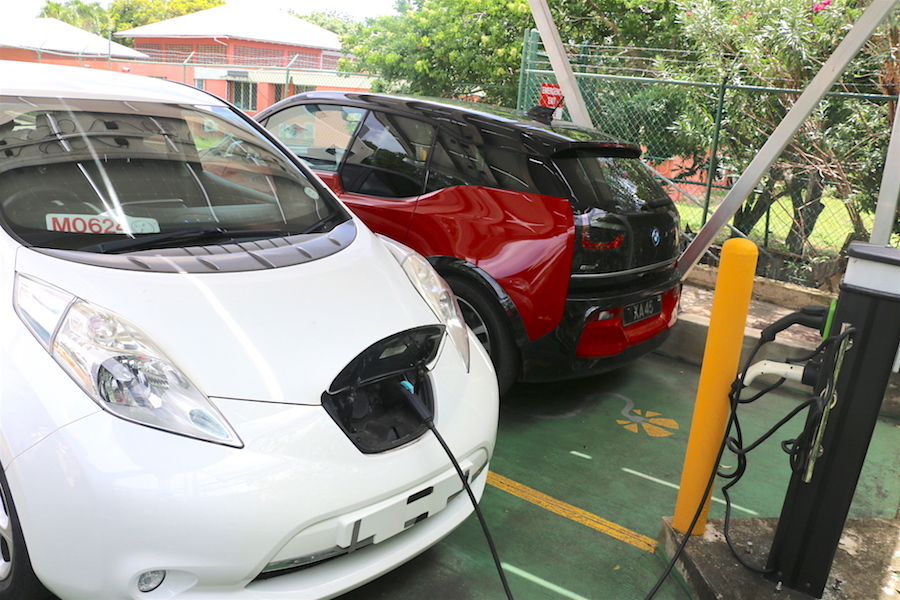
Barbados has emerged as a regional trailblazer in the shift toward sustainable transportation, with new data showing that battery electric vehicles, conventional hybrids, and plug-in hybrid electric vehicles now make up nearly 70 percent of all new passenger vehicle sales on the island. This dramatic market shift represents one of the fastest transitions to low-emission transport in the Caribbean, and signals widespread public acceptance of clean vehicle technology among Barbadian motorists. The progress delivers three core benefits: reduced household transportation costs, lower greenhouse gas and air pollutant emissions, and decreased national reliance on costly imported fossil fuels. Industry leaders and analysts widely attribute this success to proactive policy measures implemented by the Barbadian government, which introduced targeted tax concessions to lower the upfront cost of electric and hybrid vehicles. Brent Murphy, Chief Executive Officer of the Caribbean Automotive Retailers Association, notes that the country’s incentive framework stands out as one of the most effective in the region, positioning Barbados as a leader in EV adoption among Caribbean nations. The significant tax differential between zero and low-emission vehicles and traditional gasoline-powered cars has reshaped consumer purchasing decisions, with lower excise taxes and reduced import duties making clean vehicles far more accessible to ordinary buyers than they were just a few years ago. Complementing these policy changes, global automakers have expanded their lineups to include more budget-friendly EV models, ending the era when electric vehicles were exclusively reserved for luxury buyers. Today, shoppers can find new clean vehicles at price points aligned with what most Barbadian consumers already expect to pay for a new car. The financial benefits of switching to an electric or hybrid vehicle extend well beyond the initial purchase price. With global fuel prices continuing to rise, putting intense pressure on household budgets in Barbados, the running cost savings of EVs have become a major draw for buyers. Murphy calculates that motorists save roughly 75 percent on energy costs compared to driving a traditional gasoline-powered internal combustion engine vehicle. For owners who install rooftop solar panels to charge their vehicles at home, those savings can climb even higher, eliminating most ongoing transportation energy costs entirely. Consumer confidence in EV technology has also grown alongside falling prices and policy support. Improvements in battery technology, longer manufacturer-backed battery warranties, extended driving ranges, and greater public awareness of how electric vehicles work have resolved most of the early concerns that once deterred potential buyers. The Barbadian government’s commitment to clean transport extends beyond incentivizing private passenger vehicles: the island now operates the largest fleet of electric public transit buses in the Caribbean, replacing aging diesel buses that once pumped thick black exhaust into communities across the island. The visibility of these zero-emission buses on Barbadian roads underscores that the clean transport transition is a whole-society effort, led by both government action and individual consumer choice. While the rapid progress in EV adoption is a major win for climate action and energy independence, stakeholders warn that unaddressed challenges loom on the horizon, most notably the growing problem of end-of-life lithium-ion EV battery disposal. If not managed properly, lithium-ion batteries contain toxic materials that can leach into soil and water systems, while also posing significant fire hazards if stored or discarded incorrectly. As EV sales continue to climb, the volume of spent batteries that require proper management will rise steadily in the coming years. Mark Hamilton, General Manager of Platinum Motors, one of the island’s leading vehicle dealers, has emphasized that battery disposal and its associated environmental risks are two pressing issues that the country cannot afford to delay addressing. Barbados has long built its national brand and tourism economy around its reputation as a clean, green tropical island, and protecting that reputation requires proactive long-term planning. Currently, the country lacks a comprehensive, robust regulatory framework and specialized infrastructure designed to manage large volumes of discarded EV batteries. Waiting for a crisis to occur before acting would be a costly mistake, environmental and industry leaders warn. Moving forward, the Barbadian government should collaborate closely with national environmental agencies, vehicle importers and dealers, and international recycling experts to develop clear, enforceable standards for every stage of spent battery management: collection, secure storage, transportation, and recycling. Vehicle importers should also be required to take extended responsibility for end-of-life batteries, ensuring that old units do not end up dumped in landfills, gullies, or local waterways. Stakeholders emphasize that the transition to clean transport should not solve one environmental problem by creating another. A truly sustainable transition requires careful management of every stage of an EV’s life cycle, from manufacturing through to final battery disposal. The explosive growth of EV adoption in Barbados is an inspiring example of how smart policy, market competition, and public willingness to change can deliver rapid progress on climate and energy goals. With lower fuel costs for consumers, reduced national emissions, and improved technology, the island has set itself on a path toward sustainable transport. The next critical step will turn this progress into long-term success: updating national environmental regulations and building out the infrastructure needed to manage spent EV batteries safely, ensuring that Barbados remains a clean, sustainable island for future generations.