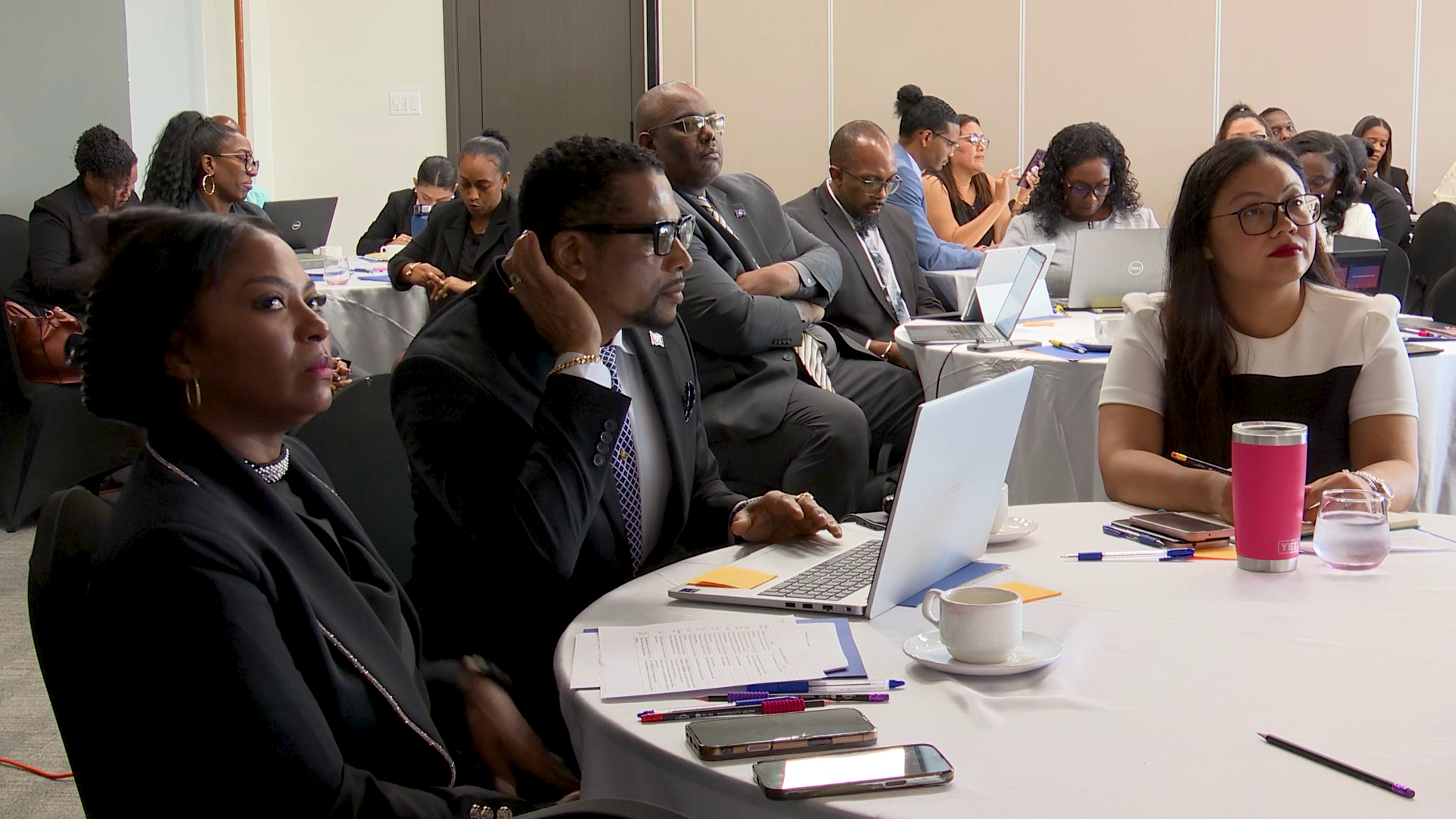
BELIZE CITY, July 10, 2026 — When minors become involved with the country’s legal system, every decision carries outsized consequences for their long-term development and well-being. Now, the Central American nation of Belize is taking targeted steps to transform its justice framework to be more responsive, empathetic, and centered on the unique needs of children.
A two-day specialized training program for judicial professionals wrapped up recently in Belize City, drawing together sitting judges and leading stakeholders from across the country’s justice sector. The curriculum focused on four core priority areas: child-centered justice frameworks, combatting human trafficking, restorative justice practices, and diversion programs that keep children out of traditional punitive court systems when appropriate.
The initiative was spearheaded by three leading national bodies: Belize’s Ministry of Human Development, the national Anti-Trafficking in Persons Council, and the Child Justice Committee. The Judicial Education Institute provided logistical and technical support to make the training possible.
Per program organizers, the core objective of the training is to equip judicial officers with the tools and knowledge to more effectively protect vulnerable children and victims of trafficking. The training emphasizes trauma-informed, victim-centered legal practices that prioritize a child’s physical safety, mental health, and overall well-being as the central consideration in every case involving minors.
This training marks a key milestone in Belize’s ongoing efforts to reform its justice system to align with international standards for child protection, addressing widespread recognition that traditional legal approaches often fail to account for the developmental needs and trauma experienced by children who come into contact with the law.