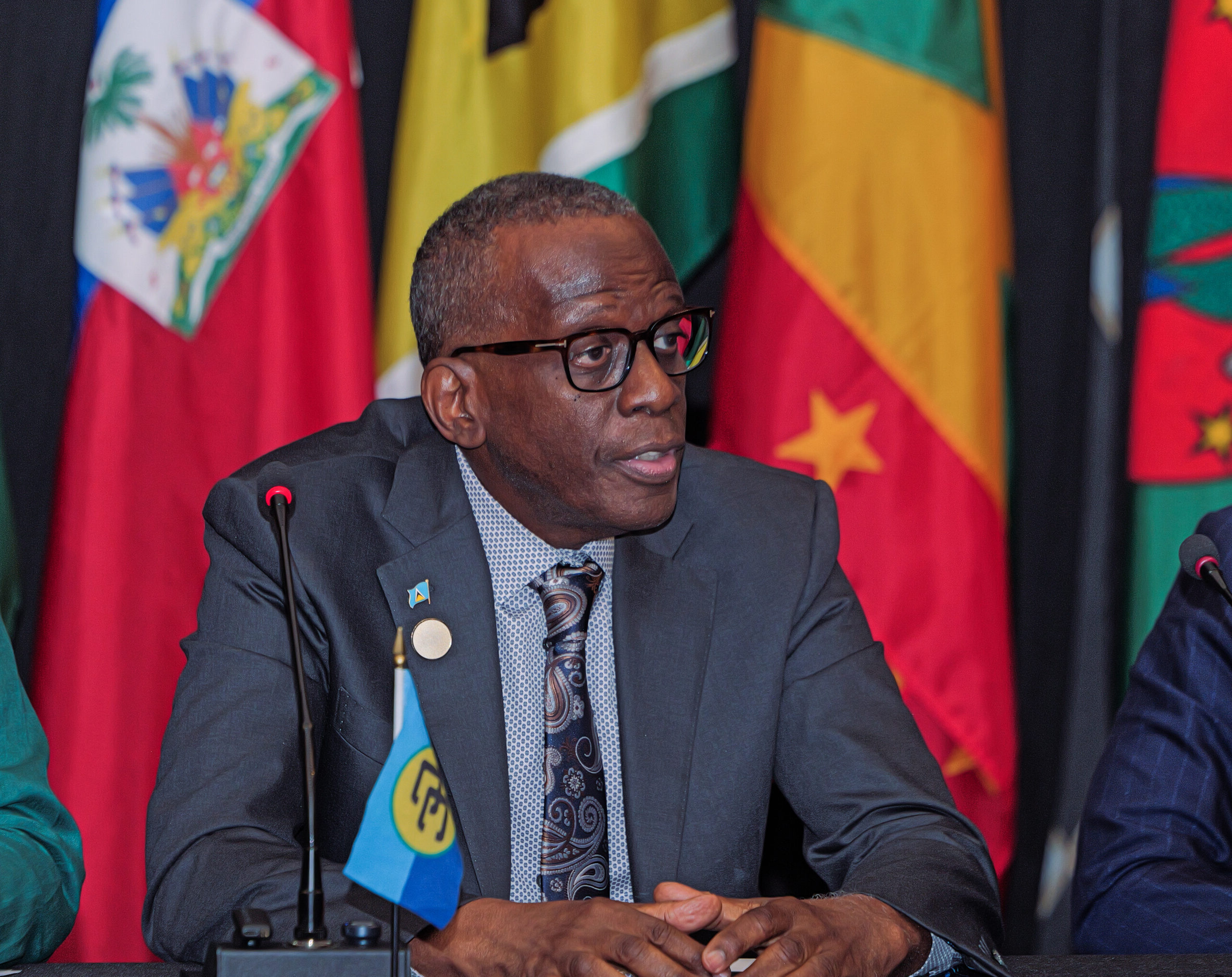
As curtains closed on the 51st Caribbean Community (CARICOM) Heads of Government Meeting, a pressing question about the unexplained disappearance of Saint Lucian fisherman Ricky Joseph became the focal point of the closing press conference. Newly sworn-in CARICOM Chairman and Saint Lucia Prime Minister Philip J. Pierre found himself on the defensive, fielding pointed questions from Al Jazeera reporters who had spent the preceding week on the island investigating Joseph’s February disappearance.
Joseph’s family holds the unconfirmed theory that the fisherman was killed in an American lethal strike carried out in regional waters earlier this year. To date, no physical evidence has emerged to corroborate this claim, and with Joseph’s remains still undiscovered, local law enforcement continues to categorize the incident as an active missing persons case.
When pressed by reporters to outline what accountability would look like for Joseph’s family if the allegations of a U.S. strike were ultimately proven true, Pierre emphasized that the national government remains deeply troubled by the case, but has yet to receive any official confirmation of the circumstances surrounding Joseph’s disappearance. “We are very concerned about the loss of life for anybody. We’ve requested information from the United States, and we’ve not gotten any information as to what happened,” Pierre stated during the exchange.
He added that without concrete evidence confirming Joseph’s death, regional law enforcement agencies have no legal alternative to continuing the missing persons probe, noting that “our own law enforcement is trying its best to decipher what happened.”
The press conference exchange grew increasingly tense when reporters brought up the Joseph family’s public claims that they have received almost no direct communication or outreach from the Saint Lucian government since the fisherman went missing. Pierre forcefully pushed back against accusations that authorities had ignored the family’s suffering. “These families are our people. They are my people, so I’m very concerned about them. I’m sure more than you… After this week, you’re going to be leaving; I’m here with them,” he told reporters.
Tensions eased as the conversation shifted from Joseph’s disappearance to a broader, more consequential question: whether the United States should be permitted to conduct lethal strikes targeting suspected criminal actors within the sovereign territory of CARICOM member states. When the question was opened to regional leaders in attendance, Barbados Prime Minister Mia Mottley weighed in, acknowledging the tangled web of legal and geopolitical complexities that surround such cross-border military operations, while drawing a clear moral line on the issue.
“Morally, I would prefer not to see it,” Mottley stated. While she recognized that international law outlines provisions for proportionate military action under specific, limited circumstances, she stressed that Barbados — and the CARICOM bloc more broadly — has consistently prioritized diplomatic, peaceful resolutions over violent intervention. “Barbados always believes that there are better ways to deal with things rather than through the loss of life, whether it is the war in Gaza, whether it is internal conflict elsewhere,” she added.