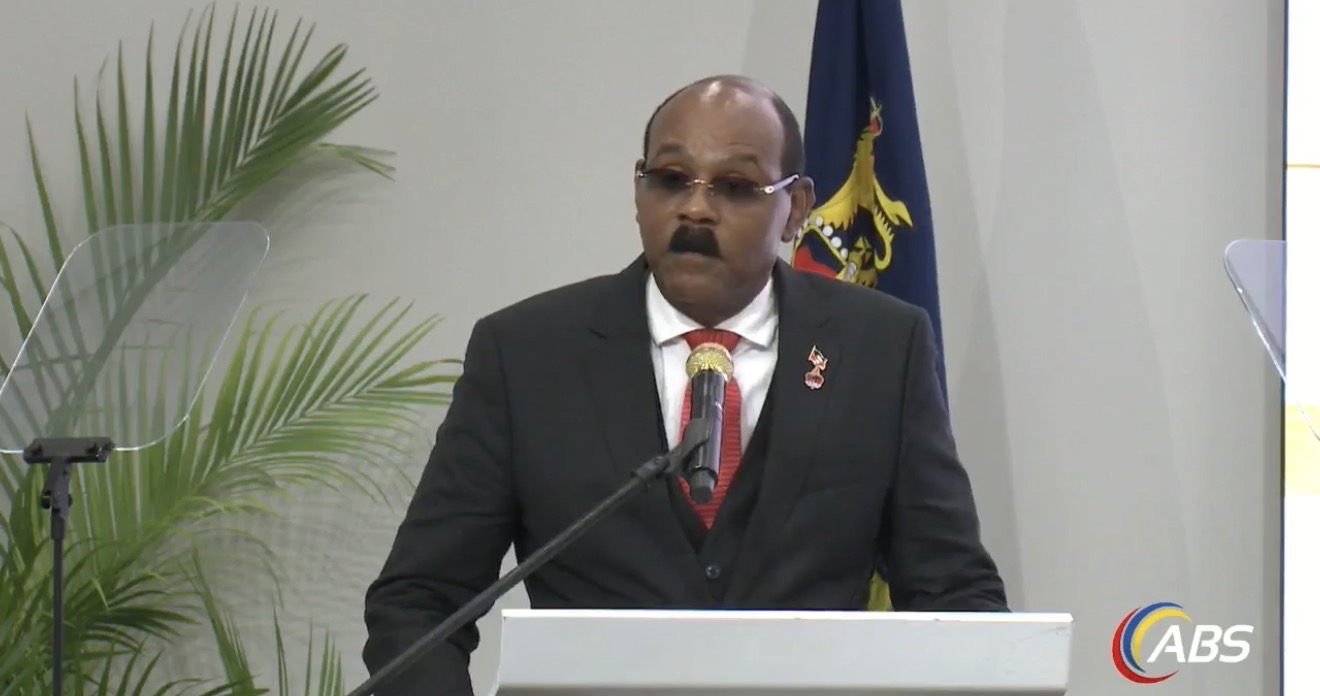
As Caribbean leaders gathered for the 51st Regular Meeting of the Conference of Heads of Government of the Caribbean Community (CARICOM), Antigua and Barbuda Prime Minister Gaston Browne delivered a clear, unwavering call for regional leaders to sustain their push for reparatory justice, clarifying that the long-running campaign is rooted in a fight for accountability rather than a request for financial aid from former colonial rulers.
Browne emphasized that the campaign for reparations is fundamentally a demand for restitution to address the intergenerational damage and persistent harm caused by the transatlantic slave trade and centuries of chattel slavery across the Caribbean. Rejecting framing of the movement as a plea for charitable support, he stressed that CARICOM’s collective position is built on established principles of justice and binding legal responsibility, framing the historical atrocities committed against enslaved peoples as crimes against humanity that demand redress.
In his address to fellow heads of government, Browne praised Barbados Prime Minister Mia Mottley for her decisive leadership at the helm of CARICOM’s Prime Ministerial Sub-Committee on Reparations, urging all member states to preserve the progress the region has made and keep the issue at the top of the bloc’s policy agenda. He noted that growing global recognition of the transatlantic slave trade and chattel slavery as crimes against humanity has significantly strengthened both the legal standing and moral foundation of CARICOM’s demands. While he affirmed that ongoing diplomatic discussions with former colonial powers should remain respectful and solution-focused, he insisted that reparations cannot be sidelined or deprioritized for the regional bloc.
Browne also updated attendees on preparations for the 2026 Commonwealth Heads of Government Meeting (CHOGM), confirming that the question of reparations will be explicitly included in the summit’s official communiqué. Foreign ministers from across the bloc will continue advanced negotiations on the language and framing of the reparations section ahead of the meeting, he confirmed.
The Antigua and Barbuda leader also expressed strong support for the CARICOM Reparations Commission’s newly launched reparations manifesto, hailing the document as a critical strategic tool that outlines the clear legal and ethical justifications for the region’s demands. He called for widespread distribution of the manifesto across Caribbean communities, to build greater public understanding of the goals and purpose of the reparatory justice movement.
Additionally, Browne reaffirmed CARICOM’s ongoing push to secure an advisory opinion from the International Court of Justice (ICJ) on the question of reparations. He explained that the ICJ opinion would clarify the legal obligations that former colonial powers hold for the harms of slavery, and further underscore that reparations are a matter of justice, not charitable giving. Closing his remarks, Browne reaffirmed Antigua and Barbuda’s full commitment to advancing CARICOM’s collective reparations agenda, and pledged continued support for the implementation of the bloc’s landmark Ten-Point Plan for Reparatory Justice.