Artificial intelligence has already established a foothold in workplaces across the Caribbean, and human resource leaders in Barbados are sounding a clear call to action: local organizations must rapidly overhaul their approaches to staff training, recruitment, and talent management to retain global competitiveness over the coming decade. The warning comes as the Human Resource Management Association of Barbados (HRMAB) prepares to host its annual People Development Conference this mid-October, with this year’s summit centered on the urgent theme “Workforce 2030: Ready or Not”. The event will focus on equipping local industries to navigate the exponential rise of automation and sweeping digital transformation.
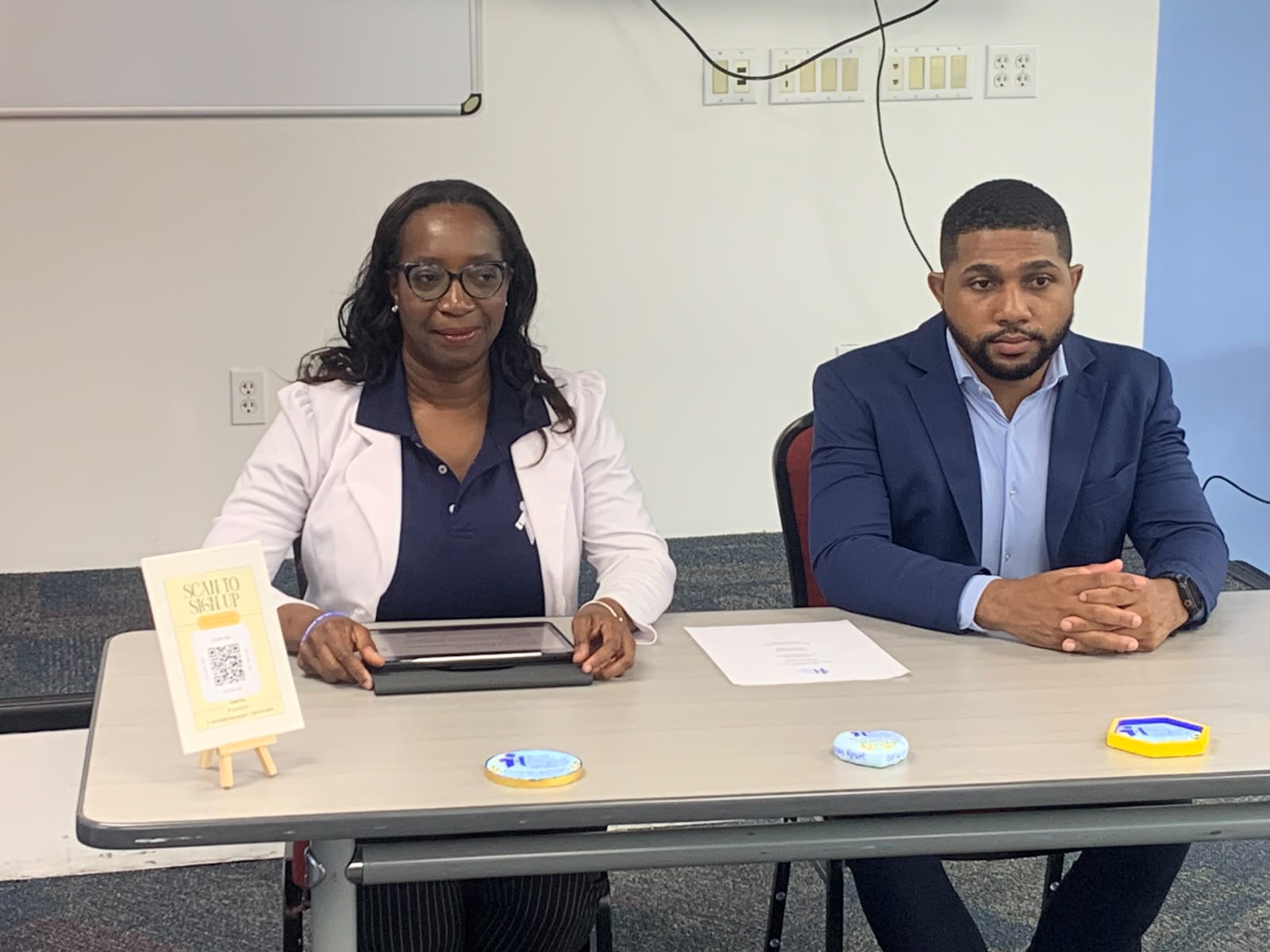
Tisha Peters, president of HRMAB, explained that the role of human resource departments across the island has evolved far beyond its traditional scope of back-office administrative tasks such as payroll processing and regulatory compliance. Today, HR teams operate in a drastically shifted landscape shaped by three major disruptions: cross-border remote hiring enabled by digital connectivity, persistent domestic brain drain, and breakneck technological advancement that outpaces many organizations’ adaptive capacity.
Addressing widespread anxiety among local workers about AI’s impact on employment, Peters emphasized that the technology is not an approaching future threat—it is already present in workplaces across the country. “Many organizations are still struggling to integrate AI into their daily operations,” Peters noted. “The question is no longer if AI will arrive; it is how we prepare our workforce to thrive alongside it.”
Peters pushed back against common narratives that AI will lead to mass job elimination, pointing to projections from the World Economic Forum which estimate that AI and automation will generate 12 million new roles globally by 2030. Instead of erasing work entirely, she argued, AI is reshaping the nature of existing roles and spawning entirely new career paths that barely existed a half-decade ago. “Five years ago, no one had heard of positions like prompt engineer, AI trainer, AI ethics and compliance officer, or chief AI officer,” Peters said. “These roles did not exist, and today organizations across the world are actively recruiting for these positions.”
The widespread public access to general-purpose AI tools including ChatGPT, Claude, and Perplexity has already reshaped core HR processes, particularly recruitment—and Nicholas Roberts, former HRMAB president and chair of the conference organizing committee, warns that the shift has created unforeseen new challenges for hiring managers. Roberts explained that a growing share of job seekers now leverage AI to draft and refine their application materials, from resumes to cover letters, creating a disconnect between polished written submissions and a candidate’s actual on-paper skills.
“AI can absolutely produce a refined, compelling resume tailored to a job posting in seconds, which can be a useful tool for many applicants,” Roberts said. “But the problem emerges when candidates show up to interviews and cannot back up what is on that polished CV. They cannot speak credibly to the skills and experiences listed, and they cannot demonstrate proficiency in the abilities they claim to have.” This trend places additional strain on HR professionals, who invest time in shortlisting candidates based on strong applications, only to discover critical skill gaps during the interview process.
Both Peters and Roberts agree that Barbados must act quickly to shore up its education and professional training systems to align with the shifting job market. While Caribbean economies have historically adopted new technologies at a slower pace than larger global markets, Roberts warned against delaying adaptive action. “Training a new generation of workers and upskilling our existing workforce to meet the demands of future jobs will take time,” Roberts said. “But we cannot bury our heads in the sand and wait for these changes to arrive before we act. We need to look at what roles global markets are already hiring for, what skills are in demand, what projections tell us about future work, and start training our young people today.”
Despite the growing adoption of automated marketing materials, digital operational systems, and AI tools across Barbadian businesses, HRMAB leaders maintain that human capital remains the island’s most valuable economic asset. When asked whether Barbados could ever see fully automated workplaces with no human staff on-site, Peters remained deeply skeptical. “To be honest, I do not see that happening,” she said. “Even an automated factory still requires human oversight and intervention when unexpected issues arise. People will always be at the heart of every organization, no matter how advanced technology becomes.”
Peters stressed that uniquely human strengths—including critical thinking, emotional intelligence, ethical judgment, and empathetic leadership—are exactly the soft skills workers need to cultivate to remain irreplaceable as AI becomes more integrated into daily work.