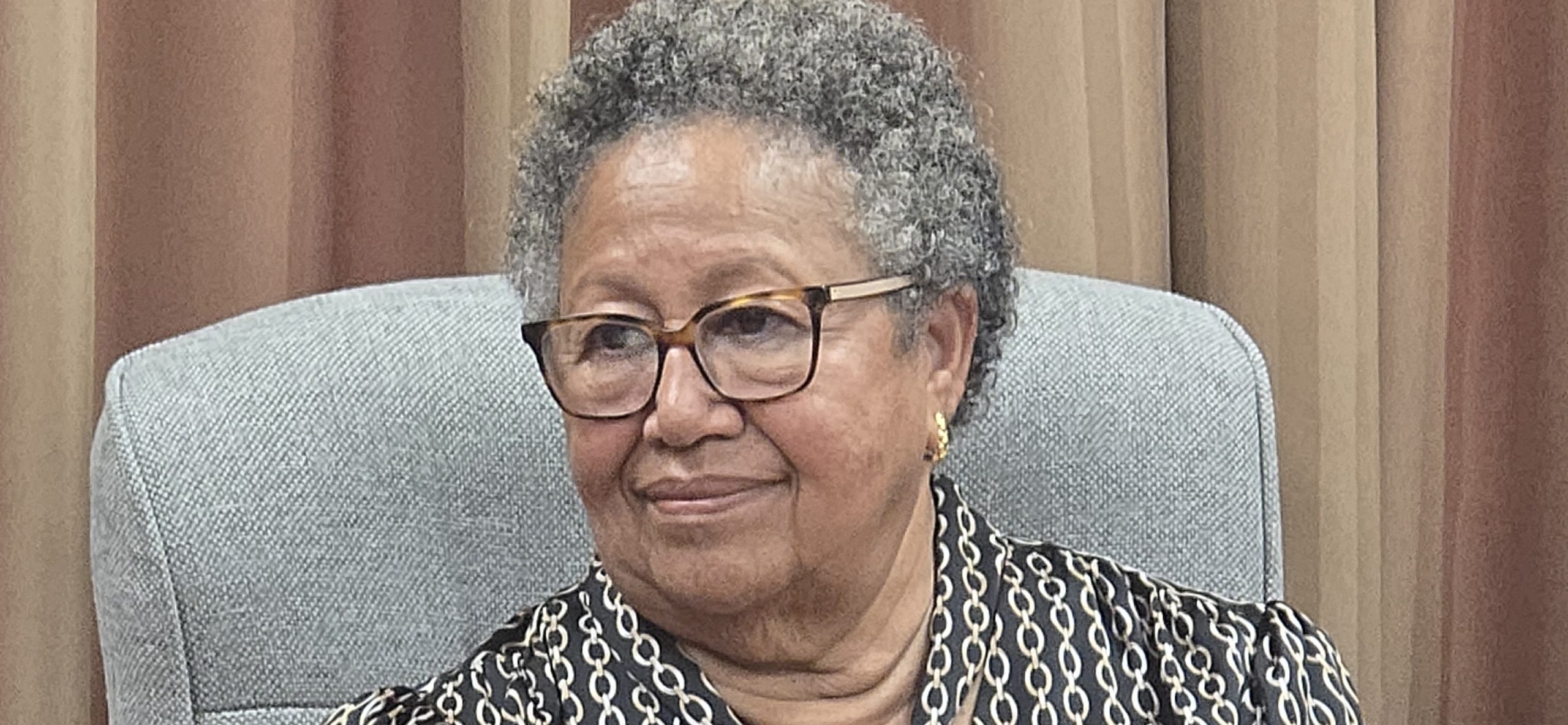
CASTRIES, St. Lucia – July 7, 2026 – Caribbean Community (CARICOM) leaders have reached a collective agreement to pursue an official advisory opinion from the Caribbean Court of Justice (CCJ) to resolve a long-running controversy surrounding the five-year reappointment of current CARICOM Secretary General Dr. Carla Barnett.
The decision comes after the government of Trinidad and Tobago refused to drop its formal objection to the procedural framework used to approve Barnett’s reappointment. CARICOM chair and St. Lucia Prime Minister Phillip J. Pierre outlined the consensus in an official statement shared with reporters on Tuesday.
“CARICOM acknowledged that the Republic of Trinidad and Tobago desires to have the issue of the reappointment of the Secretary General referred to the Caribbean Court of Justice to render an advisory opinion thereon,” Pierre said.
To accommodate Trinidad and Tobago’s request, regional heads of government have authorized the launch of formal court proceedings under Article 212 of the revised Treaty of Chaguaramas, the foundational legal document governing CARICOM integration. Pierre emphasized that the process aligns perfectly with the core mandate the CCJ was created to fulfill.
“This is the very purpose for which the CCJ was created, to be a treaty interpretation body,” Pierre added.
In a 22-page formal correspondence sent to all CARICOM leaders ahead of the meeting, Trinidad and Tobago Prime Minister Kamla Persad-Bissessar argued that regional integration cannot be built on procedural shortcuts or unregulated practices framed as historical precedent. She stressed that the bloc’s unity must be rooted in consistent adherence to the rules all member states have voluntarily agreed to uphold.
Persad-Bissessar pushed for the CCJ – which serves as the official interpreter of the Revised Treaty of Chaguaramas for the regional integration movement – to weigh in on the legality of the reappointment process. She also proposed that Barnett remain in office on a month-to-month interim basis only until the CCJ issues its ruling, with the arrangement explicitly stated to not undermine the legal positions of any member state or validate the disputed reappointment process.
Under Persad-Bissessar’s proposal, Barnett would also fully recuse herself from any decisions directly or indirectly related to the advisory proceedings, with all relevant authority transferred to the CARICOM Deputy Secretary General or an independent third party.
However, CARICOM leaders opted to maintain the current status quo surrounding Barnett’s reappointment, and the arrangement will remain in place until the bloc reviews and acts on the CCJ’s upcoming advisory opinion. Pierre noted that this path was chosen to resolve the dispute amicably, while allowing CARICOM to continue carrying out its core business without disruption to any member state’s legal standing.
In tandem with this dispute resolution process, Pierre reaffirmed that CARICOM is moving forward with a long-planned review of its internal governance architecture, a mandate first agreed at the bloc’s previous conference held in St. Kitts and Nevis, aimed at strengthening institutional governance and boosting operational effectiveness across the community.
Leaders also emphasized that the legal review process does not call into question the integrity of any member state, nor that of any individual involved in the controversy. Instead, Pierre said, the process reflects the bloc’s shared commitment to upholding the highest standards of good governance and pursuing continuous institutional improvement.
In closing, Pierre reaffirmed that all heads of government remain committed to CARICOM’s core mission and regional integration objectives. Despite the current internal dispute and the wide range of economic and social challenges facing the bloc, leaders remain dedicated to advancing collective regional interests in unity, he added.