Barbados has entered a new chapter for its national law enforcement with the swearing-in of Sonia Boyce, the first woman to ever lead the Barbados Police Service. As Commissioner Boyce settles into her new role, members of the public have shared clear priorities they want her administration to prioritize, starting with an urgent crackdown on rising criminal activity, alongside long-overdue action on the social factors driving offending. Boyce officially took office during a ceremony at State House Thursday, where she outlined a leadership agenda centered on institutional reform, increased accountability for officers, more robust criminal investigations, greater on-the-ground police presence, and repairing fractured public trust in the police force.
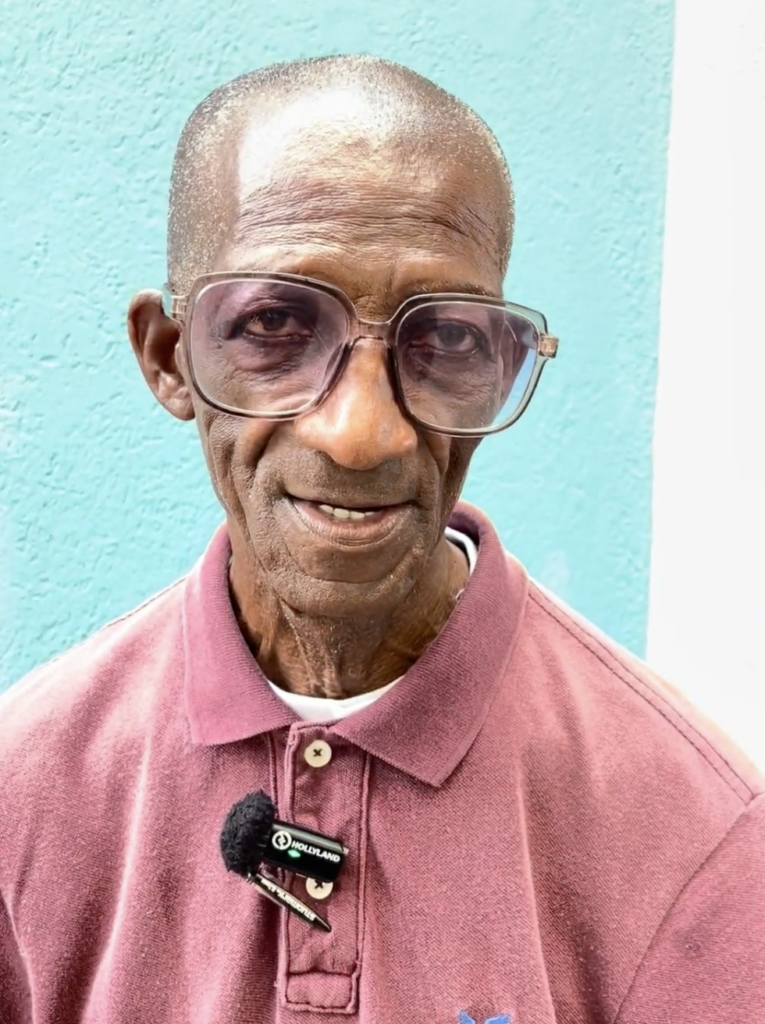
In interviews with Barbados TODAY, local residents universally ranked crime reduction as the top issue requiring Boyce’s immediate attention. Longtime Barbadian resident Wyville Callender argued that crime must sit at the very top of the new commissioner’s policy agenda, noting that the issue remains one of the most pressing threats to public quality of life. Callender added that Boyce, a veteran established officer with decades of experience in the service, has already proven she is fit for the role, and deserves full backing from rank-and-file officers to succeed in her new position. Beyond high-profile violent offenses, Callender also urged the service to prioritize cracking down on petty and property theft that erodes daily public confidence in safety.
Matthew Smith, a Barbadian who has personally felt the impact of rising violent crime, echoed these calls. Smith shared that gun violence, in particular, has touched his own family, after a cousin suffered severe life-altering injuries in a gun-related incident several years ago. He also pointed to the illegal drug trade as a key root catalyst for much of the violent conflict on Barbados’ streets, noting that turf wars over drug trafficking are responsible for much of the current instability. Smith added that unaddressed crime poses a direct threat to Barbados’ economic backbone, tourism – the main source of national income not just for Barbados, but for many small island developing states across the Caribbean. Lower crime rates, he emphasized, will benefit the entire country by preserving its appeal to international visitors.
Local resident Abraham Sealy echoed these concerns, stressing that out-of-control crime has left many residents feeling unsafe in their own communities, and restoring that sense of safety must be Boyce’s first mission. Sealy noted that protecting Barbados’ global reputation as a safe, welcoming tourist destination is critical to the nation’s long-term survival, emphasizing that visitors should be able to ride public transit, walk through downtown Bridgetown, and explore public spaces without fear of robbery. Like Smith, Sealy highlighted the illegal proliferation of unregistered firearms as one of the most urgent public safety challenges facing the island today.
While violent crime and immediate public safety dominated discussions with older residents, younger Barbadians pushed the new commissioner to also address the underlying social issues that push people into criminal activity, to create long-term, sustainable reductions in offending. Nazaria Jordan-Mayers, a young Barbadian, pointed to rising violence in schools as a growing problem that requires urgent intervention, arguing that unaddressed school disorder creates patterns of violence that spill into communities later in life. She also called on Boyce to lead a public conversation challenging harmful stereotypes about young Barbadians, noting that unfair assumptions that all young people are unruly and uninterested in work can become a self-fulfilling prophecy that harms both youth prospects and national economic growth.
Fellow young resident Shania Husbands echoed this focus on root causes, arguing that expanding economic opportunities for young people is one of the most effective crime prevention measures the government can invest in. Husbands noted that high youth unemployment and a lack of access to entry-level work leaves many young people with no legitimate income, pushing many into street activity and criminal offending. She called for the expansion of long-term employment programs for school leavers and out-of-work youth, providing targeted opportunities for young people to earn income legally so they do not turn to crime to get by.