Global crude oil markets have taken a sharp downward turn this week, with international benchmark Brent crude falling to levels not recorded since the outbreak of armed conflict between the United States and Iran, erasing all the geopolitical risk premiums that had driven prices to multi-year highs just months earlier.
On Thursday, August-delivery Brent futures dipped below $71 per barrel, hitting a low of $70.82 per barrel — the weakest price point since February 27, the day before hostilities between the two nations began. From the post-conflict peak of more than $126 per barrel hit on April 30, the benchmark has now fallen over 38 percent, returning prices fully to the range that prevailed before the conflict upended global energy markets.
The steep price decline comes on the heels of promising updates out of Qatar, a key diplomatic mediator between Washington and Tehran. Officials confirmed that U.S. and Iranian negotiators have made “positive progress” in indirect talks aimed at reaching a permanent peace agreement. U.S. President Donald Trump also offered an upbeat assessment of the talks Wednesday, stating that negotiations over the denuclearization of Iran are progressing well.
Vandana Hari, founder of Singapore-based energy analysis firm Vanda Insights, identified two core drivers behind the falling prices: a steady increase in crude exports out of the Persian Gulf region and a shift toward cautiously optimistic geopolitical sentiment among market participants. However, Hari cautioned that many critical issues remain unresolved within the framework of the existing memorandum of understanding (MoU) between the two nations, saying the coming weeks will prove decisive for whether Persian Gulf oil supplies can fully return to normal operations.
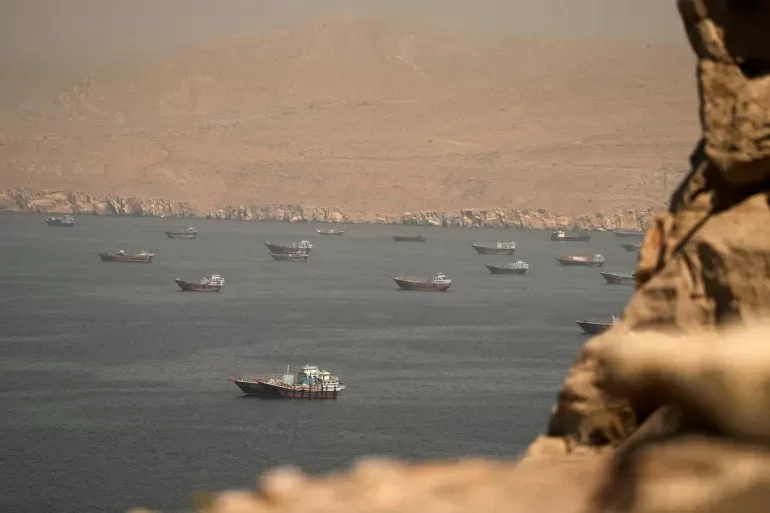
One key indicator of normalization remains traffic through the Strait of Hormuz, the strategic chokepoint through which roughly one-fifth of global oil and liquefied natural gas trade passes. After a sharp drop in daily transits following a wave of attacks on commercial vessels in recent weeks, shipping data shows tentative signs of recovery. Ship tracking firm MarineTraffic recorded at least 40 vessels passing through the strait on Tuesday, up from 27 on Monday and just 22 on Sunday. Even with this rebound, daily transit volumes remain far below the pre-conflict average of roughly 130 vessels per day.
Under the terms of the draft MoU, Iran has committed to taking steps to ensure safe passage for commercial shipping through the strait, but continues to assert exclusive control over the waterway. Since the outbreak of conflict, at least 49 attacks on commercial vessels have been documented, with the majority attributed to Iranian forces or claimed by Iran.
Neil Crosby, oil analyst at Singapore-based Sparta Commodities, explained that the drop in Brent prices reflects the market’s growing belief that major hostilities are largely over, and that increased supply has begun to flow back to global markets. Even so, he warned it is too early to assume prices will remain anchored at pre-conflict levels. “The situation is far from stable, both politically and in the oil market itself,” Crosby noted. He added that many major market drivers remain in flux, and low prices will likely encourage importers around the world to return to the market to build inventories, gradually eroding current supply surpluses. Ultimately, Crosby concluded that the global oil market has not fully emerged from the recent crisis, and continued vigilance remains necessary.