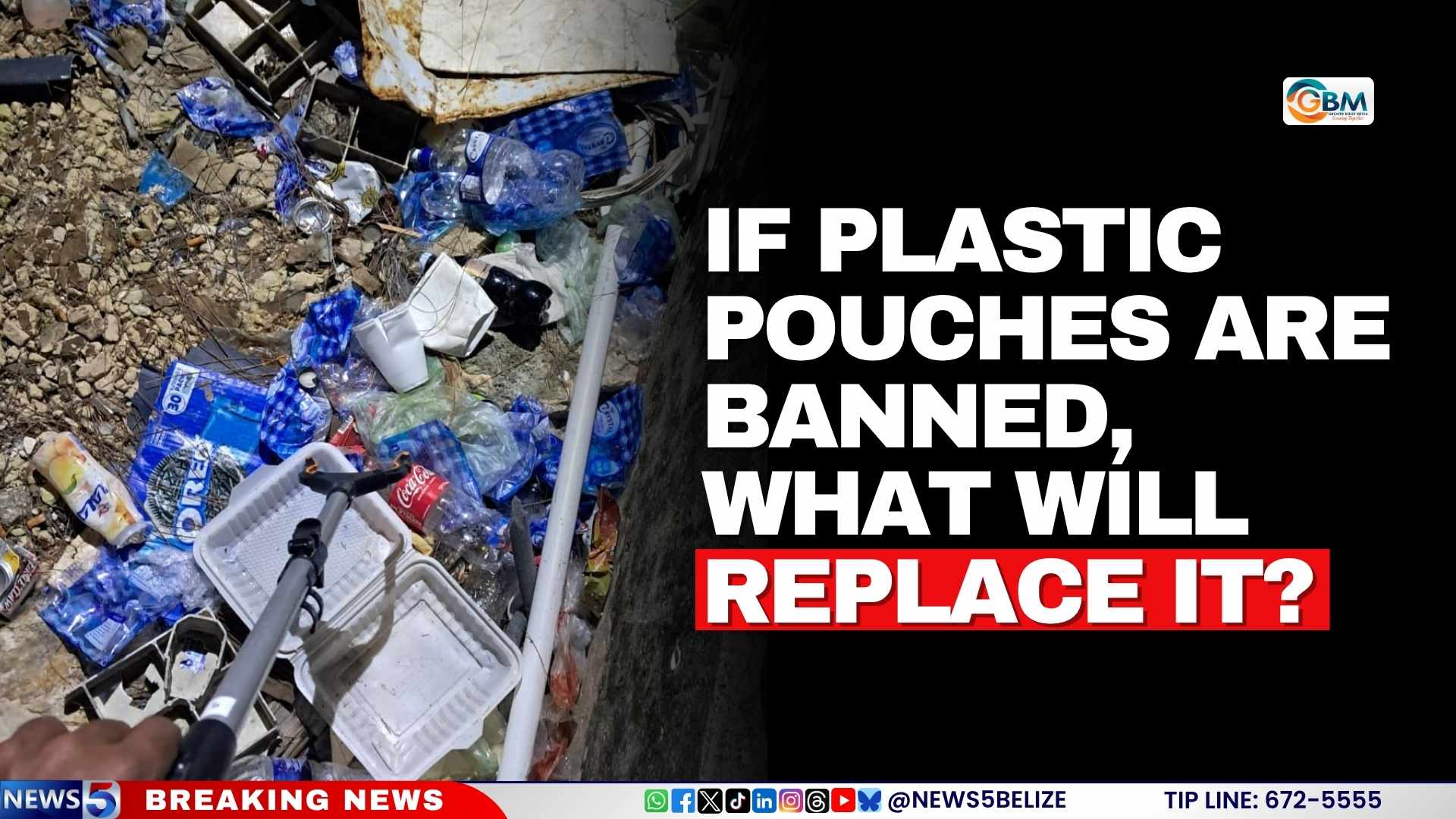
As a broad coalition of environmental and community groups pushes for a gradual three-year national ban on single-use plastic pouches, Belize’s top sustainability official has outlined the significant regulatory and economic barriers that must be overcome before the policy can move forward. Sustainable Development Minister Orlando Habet acknowledged growing public and organizational pressure to eliminate the ubiquitous single-use plastic items, which are a major contributor to marine and terrestrial plastic pollution across the Caribbean nation. But in recent comments, he made clear that policymakers are still grappling with unresolved challenges that have derailed previous efforts to transition away from conventional plastic packaging.
Back when Belize first implemented formal biodegradability standards requiring plastic products to contain at least 52% biodegradable material, regulators moved faster than regional supply chains could support, Habet explained. The policy was crafted without first verifying whether alternative biodegradable inputs would be readily accessible for local and regional manufacturers, leaving the market unable to meet the new requirements. Today, the core obstacle remains a regional supply gap, he noted: without neighboring nations adopting similar restrictions on single-use plastics, there is little incentive for regional manufacturing industries to scale up production of biodegradable alternatives, keeping supplies scarce and prices high in Belize.
Long-term, Habet said Belize could build a domestic biodegradable packaging industry using locally sourced, renewable raw materials such as bagasse (the fibrous byproduct of sugarcane processing), bamboo pulp, and plantain suckers. But developing this homegrown sector would require years of investment, infrastructure building, and market development to create a viable, affordable supply that can meet current demand for low-cost packaging. Minister Habet also echoed a concern widely shared by Belizean residents and small business owners: millions of consumers currently rely on low-cost single-use plastic pouches for affordable, portable drinking water, and many small entrepreneurs build their businesses around these low-cost packaging options. A premature ban without affordable, widely available alternatives would disproportionately harm low-income households and small business operators, he argued.
The coalition of more than 40 organizations backing the ban has put forward a phased roadmap for implementation: the restriction would first take effect in all government buildings, then expand to public and private schools across the country, before moving to a full nationwide ban within three years. So far, the Belize Department of the Environment (DOE) has adopted a cautious approach, noting that it is still in the process of consulting with 36 major plastic importing companies to understand industry perspectives and potential impacts. Department officials have emphasized that the question of banning single-use plastic pouches is not a simple binary yes-or-no decision; rather, it is a complex policy process that requires broad stakeholder consultation and careful preparation to avoid unintended negative consequences for consumers and businesses.