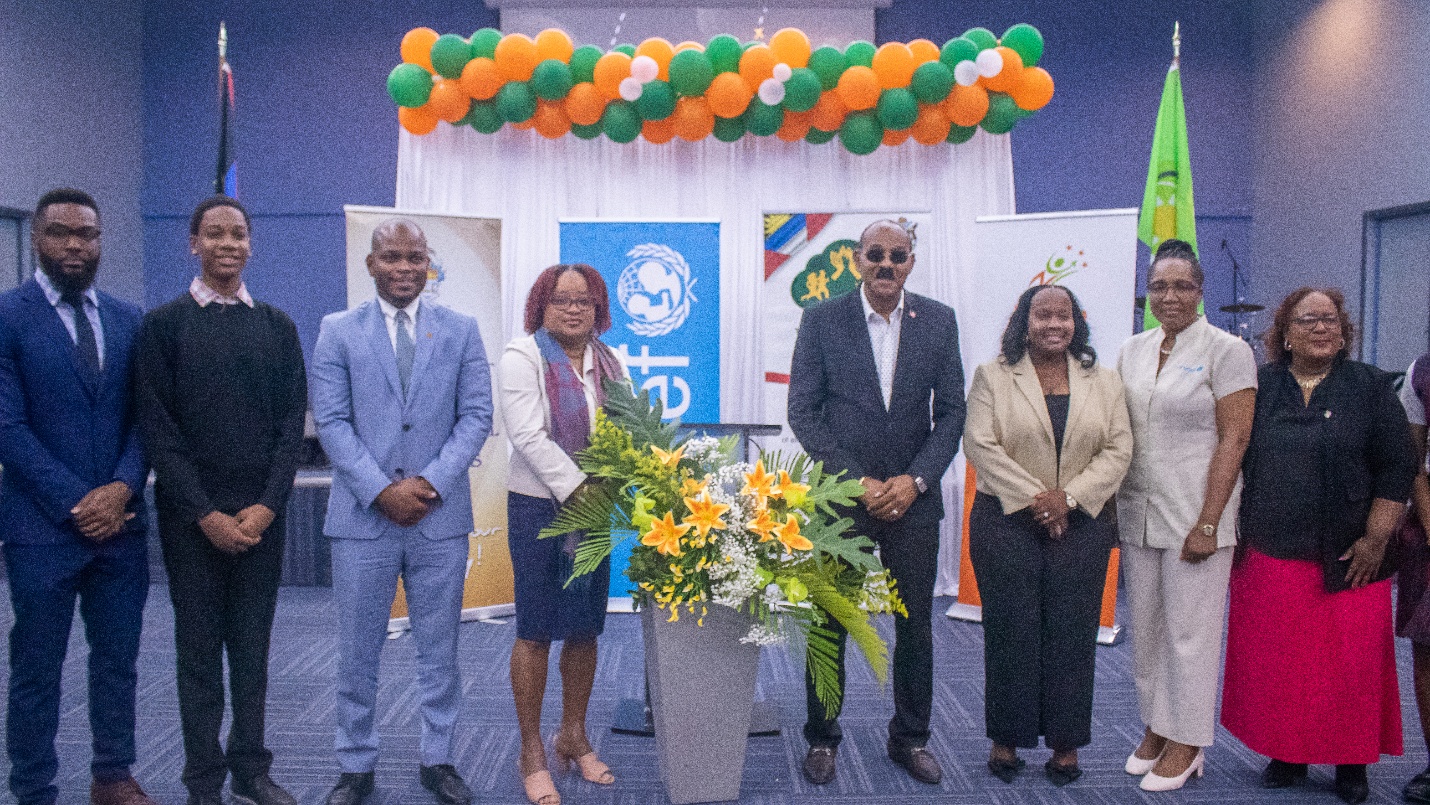
Across the Eastern Caribbean, young people facing mental health struggles will soon gain a confidential, youth-centered lifeline, as regional and international partners have rolled out a groundbreaking new support service tailored to the needs of local children and adolescents. The Organisation of Eastern Caribbean States (OECS) has partnered with UNICEF, the University of the West Indies (UWI), the Government of Antigua and Barbuda, and the Zenith Centre to launch the Young Caribbean Minds (YCM) Chatline – a free, text-based platform that delivers both mental health support and child protection assistance with full anonymity for users.
Unlike many existing support services, the YCM Chatline was not designed in a top-down manner. Its development grew directly out of the largest youth consultation on mental health legislation ever conducted in the Eastern Caribbean, which gathered input from more than 1,000 young people across the region about the daily mental health challenges they face and the types of support they actually want to access. Every piece of feedback from this consultation shaped the final structure of the chatline, and has also informed ongoing policy discussions about the future of regional mental health care frameworks.
Released alongside the official launch of the platform, the *Youth Voices: Mental Health Care Bill Survey Report* lays out the key barriers young people identified to accessing mental health support. Stigma around mental illness emerged as the single largest obstacle: 34.2% of survey respondents shared that they feared being judged by others if they sought out mental health assistance. More than half of participants called for stronger legal protections for people accessing mental health care, while nearly 90% expressed clear support for rights-centered approaches to mental health service delivery.
The report also confirmed that privacy is a non-negotiable factor for young people to trust mental health support services, with anonymous online chat ranking among the most highly preferred methods of accessing help. In response, the YCM Chatline allows users to connect with support without sharing any personal identifiable information, preserving full anonymity throughout every interaction.
Support on the platform is delivered in real time by UWI-trained volunteers, who work under the close supervision of licensed, qualified psychologists. For young people who face acute child protection risks, an integrated referral system connects users directly to appropriate local services that can provide ongoing, specialized support.
The full regional rollout follows a successful five-month pilot programme that delivered more than 1,000 one-on-one support sessions. Pilot data collected by organisers shows that 88% of users who accessed the service during the trial period reported they would use it again in the future, reflecting high levels of satisfaction with the confidential, youth-focused model.
The initiative has already earned international acclaim for its innovative approach: it was highlighted as a global best practice at the Global Conference on Child and Adolescent Mental Health, and was selected as one of the Top Three finalists for the UNICEF Global INSPIRE Awards. Following the official launch, the project team will complete additional volunteer training and system upgrades before rolling the service out to all nine OECS Member States, including Saint Lucia, where the initiative was first announced.