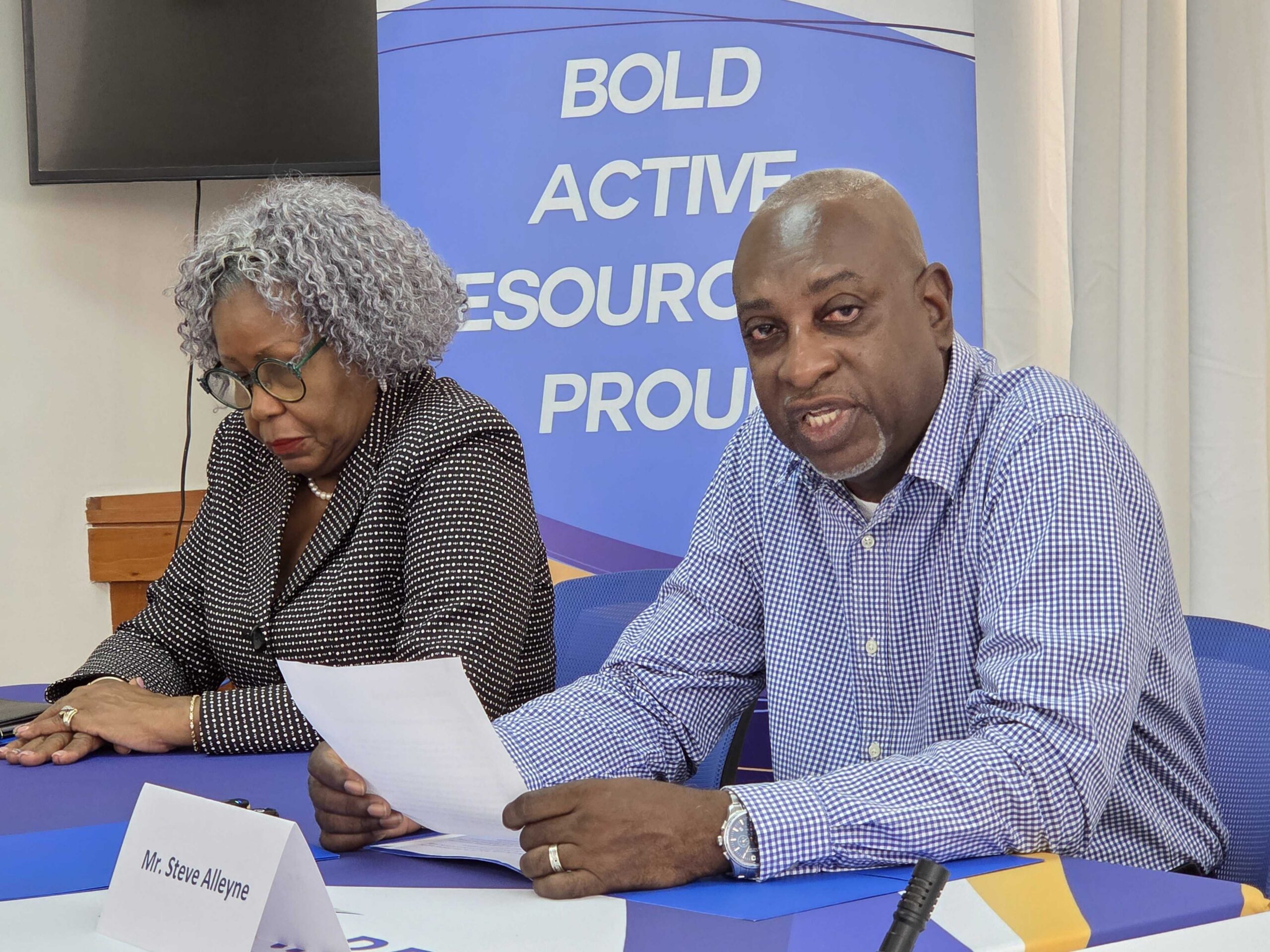
Barbados is grappling with a worsening chronic disease crisis that healthcare and insurance leaders say is rooted not in a lack of medical infrastructure, but in deep-seated cultural attitudes that keep younger generations from seeking routine preventive care. In a joint call to action, industry executives are pushing for early public health intervention and expanded community-based screening to reverse the island nation’s alarming public health trajectory.
Addressing the pervasive reluctance to prioritize routine check-ups directly, Dr. Bandele Majeks, co-founder and managing director of Urgent Care Barbados, explained that ingrained fear and cultural norms keep many people from seeking medical attention until symptoms become severe and disabling. Highlighting that men demonstrate this avoidance more than any other group, Majeks traced the pattern to a long-held cultural mantra: “if it ain’t broke, don’t fix it.” “We know that that’s not true, but certainly, all of us are always afraid of getting bad news, so we sort of cower away,” he told reporters, noting that even asymptomatic young people put off screenings out of a misplaced belief that ignoring potential health issues will keep them from developing into serious problems.
To break this cycle of delayed care, Urgent Care has launched an innovative outreach strategy that moves medical teams out of traditional clinic settings and directly into workplaces and community spaces. By offering on-site screenings, the initiative aims to leverage peer camaraderie among colleagues to normalize preventive exams and reduce the anxiety that keeps many people away from clinical settings. Officials from the Barbados Association of Retired Persons (BARP), which has recently expanded its preventive health advocacy to include working adults aged 40 and older, emphasize that building habits for lifelong health needs to start much earlier than many young Barbadians assume.
BARP President Marilyn Rice-Bowen warned that waiting until retirement to adopt healthy habits is a dangerous gamble with long-term health outcomes. “When you’re young, you feel that absolutely nothing can go wrong in your life. You just don’t wake up at 64 or 65 and say, ‘I’m going to start to walk; I’m going to start to watch what I eat,” she explained. “It has to start from as early as your 40s. We need healthy young persons to support the aging society.” This push for targeted intervention among younger populations is backed by alarming on-the-ground clinical data: Majeks confirmed that severe chronic conditions and even sudden deaths are increasingly being recorded in adults under the age of 40, a significant shift from decades of clinical patterns in the country. “Health is something that we cannot just consider at 40 or 50 or 60; we have to start thinking about healthy living from very young,” he added.
Beyond the public health consequences, insurance executives warn that widespread avoidance of early care is creating an unsustainable economic burden that strains both household budgets and Barbados’ national healthcare system. Current public health data paints a stark picture of the crisis: more than 66% of adult Barbadians are overweight, 1 in 6 lives with type 2 diabetes, and 40% live with hypertension. These three conditions are the top drivers of life-threatening, high-cost complications including stroke, heart attack, and end-stage kidney failure.
Christopher Woodhams, chief executive of Beacon Insurance, explained that when people skip preventive screenings, minor, easily managed conditions often escalate into complex, expensive medical emergencies that overwhelm hospital capacity and drive up insurance costs across the board. “The outcome of that is the premiums to sustain that model are going to continue to increase over time and unfortunately continue to be unaffordable for many people,” Woodhams said. “The idea of getting the preventative screening done early is ultimately going to reduce the cost for the treatment, which in the long term will reduce or at least flatten the premium increases.”
Woodhams also reminded younger Barbadians of the long-term financial benefits of enrolling in health insurance while they are still young and healthy. Getting coverage early guarantees lifelong access to financial protection, he explained, while waiting until a chronic condition develops often leads to policy exclusions that leave patients without coverage when they need it most. Reinforcing this message, Rice-Bowen framed early health insurance as a practical financial choice that is far more reliable than last-minute crowdfunding. “Insurance is a financial decision that families have to make. It is cheaper than waiting for GoFundMe,” she said. “Because with GoFundMe, you have to wait for time. If you have an insurance policy, that policy can start to work for you as soon as you need it.”