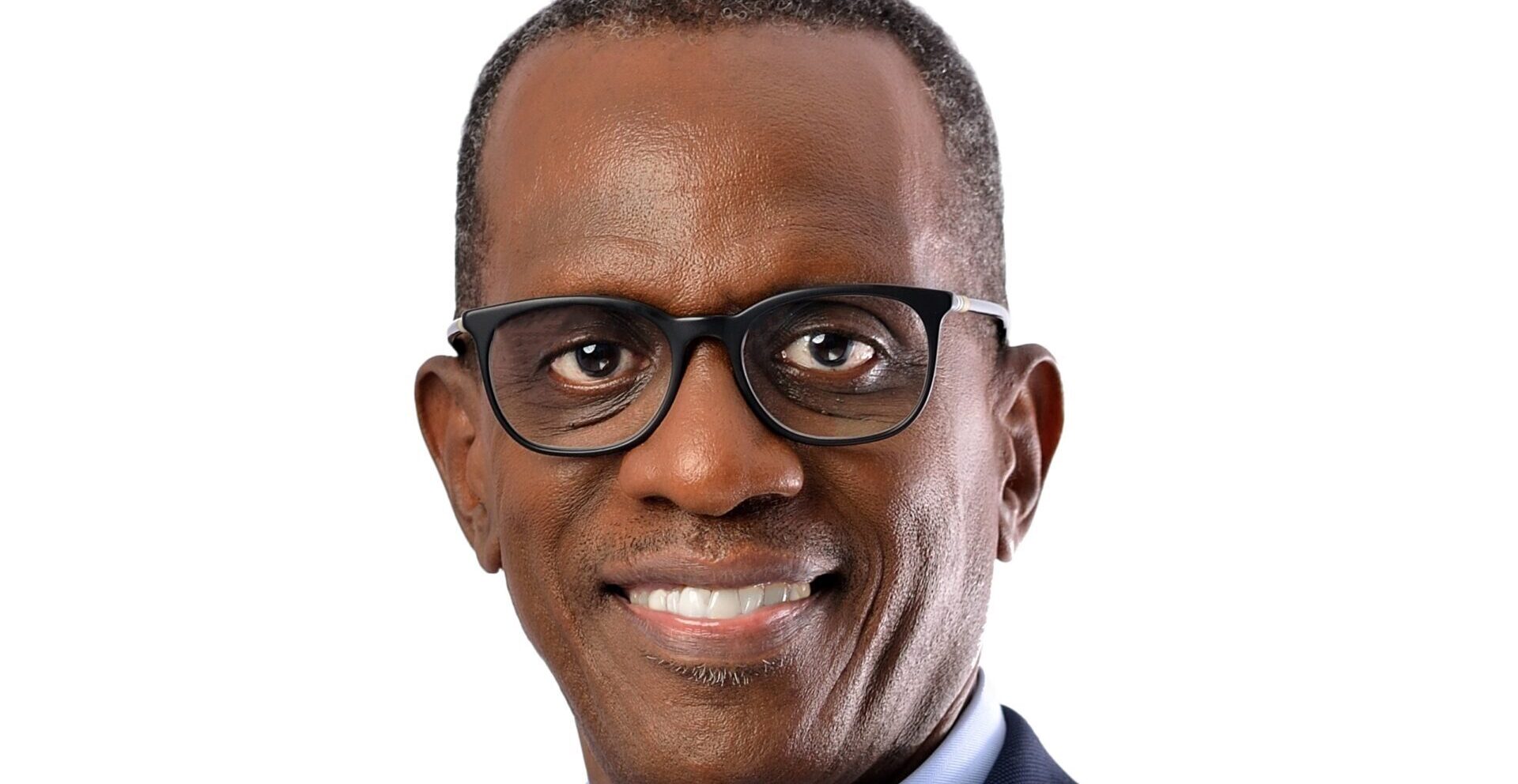
As Saint Lucia Prime Minister Philip J. Pierre prepares to take the reins of the Caribbean Community (CARICOM) on July 1, he has laid out a bold, citizen-focused vision aimed at revitalizing regional integration, boosting collective resilience, and advancing inclusive sustainable development across the Caribbean bloc.
In an official public statement ahead of assuming the one-year chairmanship, Pierre framed his appointment as a profound responsibility to the people of the region, saying he accepts the role with humility, unwavering determination, and a deep-rooted commitment to public service for all Caribbean nations.
Pierre reaffirmed the core founding principle that has guided CARICOM since its establishment: that Caribbean member states are far more powerful when working in collaboration than acting independently. That foundational belief, he stressed, has not lost its relevance amid the shifting global landscape of the 21st century – it is more critical than ever.
Against the backdrop of a rapidly evolving global order, Pierre acknowledged that Caribbean nations are currently navigating unprecedented economic shifts and complex cross-border challenges that demand deeper cooperation, innovative problem-solving, and unwavering regional unity. He noted that a growing number of ordinary Caribbean citizens are asking a pressing question that will shape his tenure: how can CARICOM deliver tangible, meaningful improvements to everyday life across the region? That inquiry, he said, will serve as the north star for all the bloc’s work during his term.
A top priority for Pierre’s chairmanship will be making CARICOM more visible, accessible, and relevant to everyday citizens, moving beyond high-level diplomatic meetings and formal declarations to embed regional integration in communities, schools, small businesses, and family homes across all member states.
“CARICOM must continue to move closer to the people,” Pierre said. “It must be seen and felt not only in meetings and declarations, but also in communities, schools, businesses, homes, and in the opportunities available to every Caribbean citizen.”
He outlined six key focus areas for his term: accelerating urgent climate action to address the Caribbean’s disproportionate vulnerability to global warming; strengthening regional food and nutrition security to shield communities from global supply chain disruptions; driving inclusive, sustainable economic growth that lifts all segments of society; speeding up digital transformation to close the digital divide across the region; expanding cross-border trade and foreign direct investment opportunities; and streamlining the free movement of people, skilled labor, services, and innovative ideas across the CARICOM bloc.
Inclusivity will be a central throughline of all policy efforts, Pierre emphasized. He insisted that every Caribbean citizen must see their needs and priorities reflected in the regional agenda, no matter their age, gender, physical ability, socioeconomic background, occupation, or personal circumstance.
Pierre also made public safety a core priority, noting that long-term development and community security are inherently interconnected. He pledged to work collaboratively with all member states to build safer, more stable societies where all citizens can thrive.
Ultimately, Pierre argued, the true measure of CARICOM’s success is not the number of agreements signed or summits held, but whether ordinary citizens can actually feel the benefits of regional integration in their daily lives. “Integration that our people cannot feel will not last,” he noted.
Looking ahead to his tenure, Pierre called on all CARICOM member states to maintain unwavering solidarity in pursuit of shared goals. He expressed clear confidence that the region can emerge more united, more inclusive, more resilient, and better prepared to face future challenges.
In closing, Pierre urged all Caribbean citizens to stand together to move from collective resilience in the face of crisis to widespread renewal and revival, building a stronger, more prosperous Caribbean Community for current and future generations.