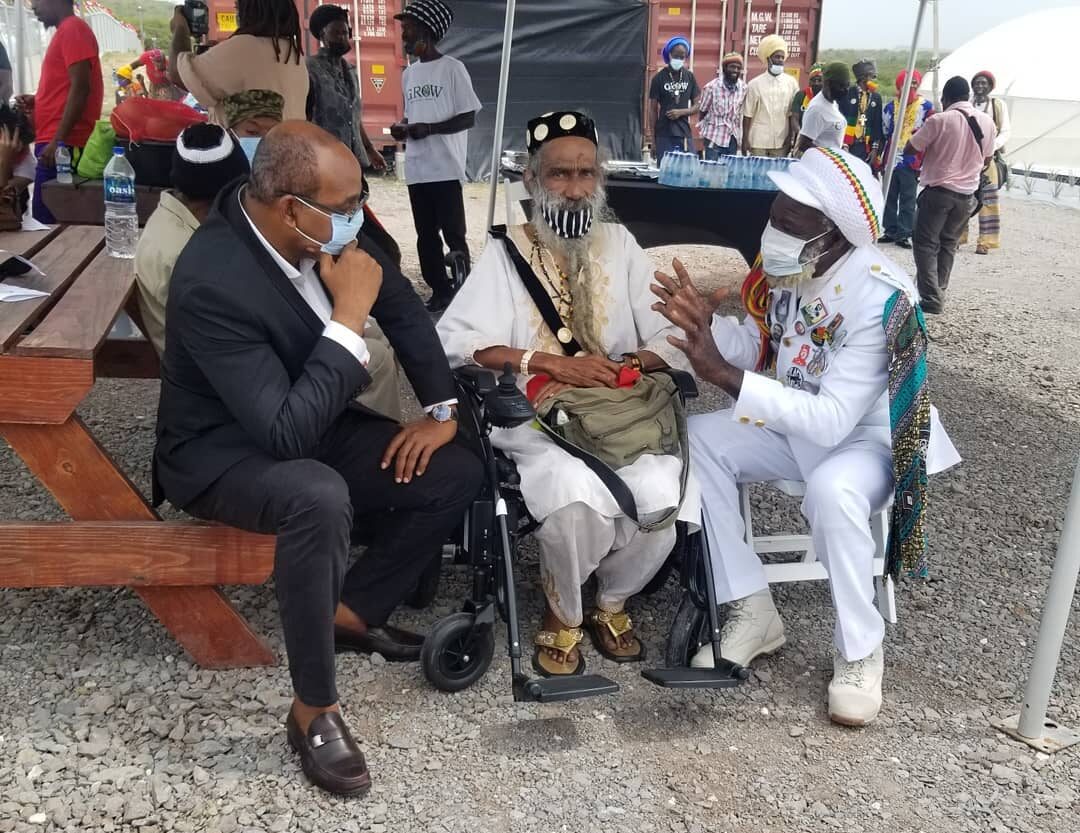
The Caribbean Community (CARICOM) has announced plans to convene a multi-stakeholder gathering focused on advancing equal rights for Rastafarian communities across the region, responding to decades of systemic exclusion that have impacted the group both locally and globally.
The landmark decision emerged from the 42nd Inter-Sessional Meeting of CARICOM’s Conference of Heads of Government, held on May 8, 2026. During closed deliberations, regional leaders confirmed that widespread disparities persist for Rastafarians in core areas of public life, from access to education and formal employment to equitable participation in community governance. Leaders reaffirmed their collective commitment to securing full legal and social recognition of Rastafarians as equal members of Caribbean society, prioritizing the protection of their fundamental human rights.
To drive coordinated action, member states have approved the formation of a special regional committee, with delegations from five nations: Barbados, Jamaica, St Kitts and Nevis, Saint Vincent and the Grenadines, and Trinidad and Tobago. The panel will lead ongoing conversations around policy reform to address challenges facing Rastafarian communities at both the regional and international levels.
Leaders also highlighted a series of progressive national actions already implemented across member states to redress historical injustices against the Rastafarian community. These steps include formal public apologies for state-sponsored discrimination, targeted land grant programs for Rastafarian families, and updated labor legislation that prohibits workplace bias based on religious and cultural identity. Regional leaders framed these existing national initiatives as blueprints for building a unified, region-wide strategy that can scale successful interventions across all CARICOM member states.
Founded in 1973 through the signing of the Treaty of Chaguaramas, CARICOM has grown to become one of the most successful examples of regional integration in the developing world. A 2001 revision of the founding treaty established the bloc’s single market and economy, expanding cross-border cooperation to drive shared economic growth. Today, the bloc counts 15 full member states and six associate members, serving a combined population of roughly 16 million people, 60 percent of whom are under the age of 30. CARICOM’s core mission is organized around four central pillars: economic integration, coordinated foreign policy, human and social development, and cross-border security cooperation. Headquartered in Georgetown, Guyana, the CARICOM Secretariat serves as the bloc’s central administrative body, working to advance a shared vision of an inclusive, resilient, and competitive regional community where all citizens can access equal opportunity, enjoy guaranteed human rights and social justice, and contribute to shared cultural and economic prosperity.