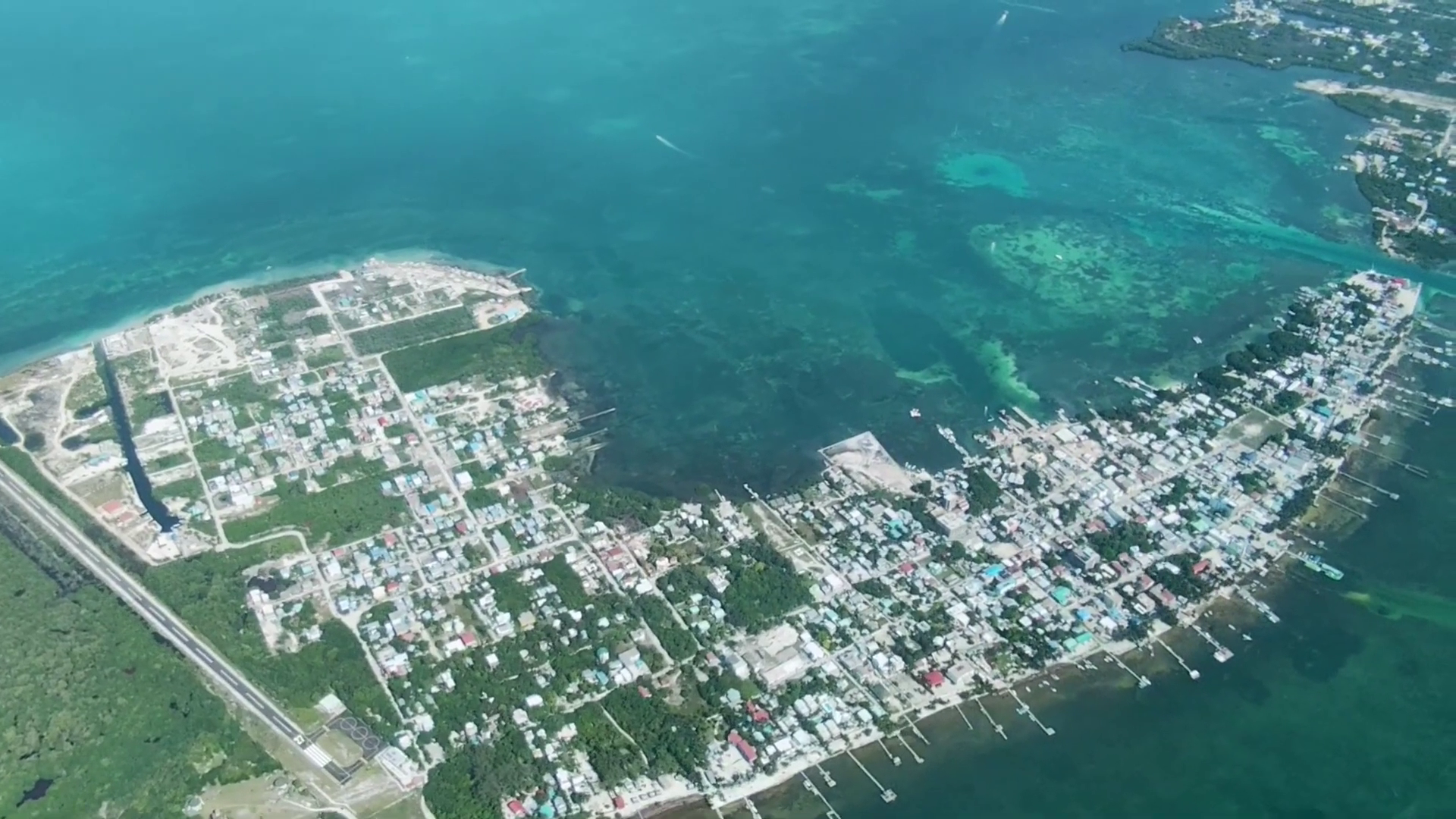
Nestled off the coast of Belize, the small island of Caye Caulker has long prided itself on walking a fine line between economic growth and protecting the dramatic natural ecosystems that make it a beloved destination for locals and travelers alike. That delicate equilibrium, however, now faces an unprecedented threat from unregulated coastal construction, according to local village leaders who are sounding the alarm over new projects targeting the island’s critical western mangrove zone.
The Caye Caulker Village Council is at the center of the growing dispute, raising urgent red flags over a recently approved private development that includes seawall construction and large-scale silt extraction in the island’s western mangrove forest. Ecologists and local leaders have long recognized mangroves as one of the most valuable natural coastal defenses: these dense, root-packed forests absorb wave energy, cut erosion risk, and reduce the height of storm surges during tropical storms and hurricanes that regularly threaten Caribbean coastlines. Beyond environmental protection, the council also warns that unchecked private expansion along the waterfront could permanently cut off public access to coastal areas that have traditionally been open to all Belizeans. Instead of pushing forward with current plans, village officials are calling for a region-wide shift to sustainable development models that safeguard both ecological integrity and public access rights.
While the Belizean national government has already taken small steps to rein in overdevelopment, implementing a six-month moratorium on buildings taller than three stories in May and rolling out traffic regulations that prioritize low-impact golf carts over larger, more ecologically damaging vehicles, the Caye Caulker Village Council argues these measures do not go far enough to protect the island’s future. Council Chairlady Seleny Villanueva-Pott told reporters that national authorities have already granted approval to Quality Poultry Products Limited for the controversial western coast project.
“This project is of particular concern to the entire council because it sits right in the middle of the village’s western waterfront,” Villanueva-Pott explained in an interview with local outlet News Five. “Carrying out dredging work just 50 feet off the western shore places it extremely close to the main island. When hurricanes hit this coast, that lack of natural buffer means we will see larger waves rolling in, and we simply cannot predict how high storm surges will climb. When Hurricane Keith hit the region, we saw surges between six and 10 feet high—these are not hypothetical concerns, they are risks that community members live with every day, and we have a responsibility to address them.”
Villanueva-Pott emphasized that the island’s existing mangrove forest acts as a free, highly effective natural storm buffer that cannot be easily replaced by man-made infrastructure. She added that the council has been in active negotiations with the company to adjust the project plans to cut ecological harm, proposing a range of alternatives that would protect mangroves while still allowing the development to move forward. These alternatives include sourcing required silt from other locations farther from the island’s core and pruning existing mangroves rather than clearing them entirely to make space for construction.
“Even if a seawall protects sand in the immediate project area, it creates new erosion problems for neighboring properties down the coast,” Villanueva-Pott pointed out. “This area is already prone to frequent flooding, so we have asked the company to consider alternative infrastructure designs that work with the natural landscape instead of against it. Other developers on the island have sourced sand from dredging operations carried out farther offshore, that is a perfectly viable alternative this company could adopt. We are asking them to consider how they can incorporate the existing mangrove ecosystem into their plans, rather than clearing it, because this whole area is extremely low-lying and vulnerable.”
The proposed project site is also earmarked by the council for a future public marketplace, adding another layer of conflict to the current dredging work. In response to the council’s objections, Andre Perez, the Area Representative for Belize Rural South, issued an official letter stating he has no opposition to the project. The development includes dredging roughly 1,500 cubic yards of sediment to create a private access channel, filling in a section of public coastal reserve, building the contested seawall, and erecting a private security fence along the waterfront. Perez noted in his letter that the project will drive local economic growth and advised the company to adhere to all operational regulations set by Belize’s Mining Department. This report was compiled from on-the-ground reporting by Britney Gordon of News Five.