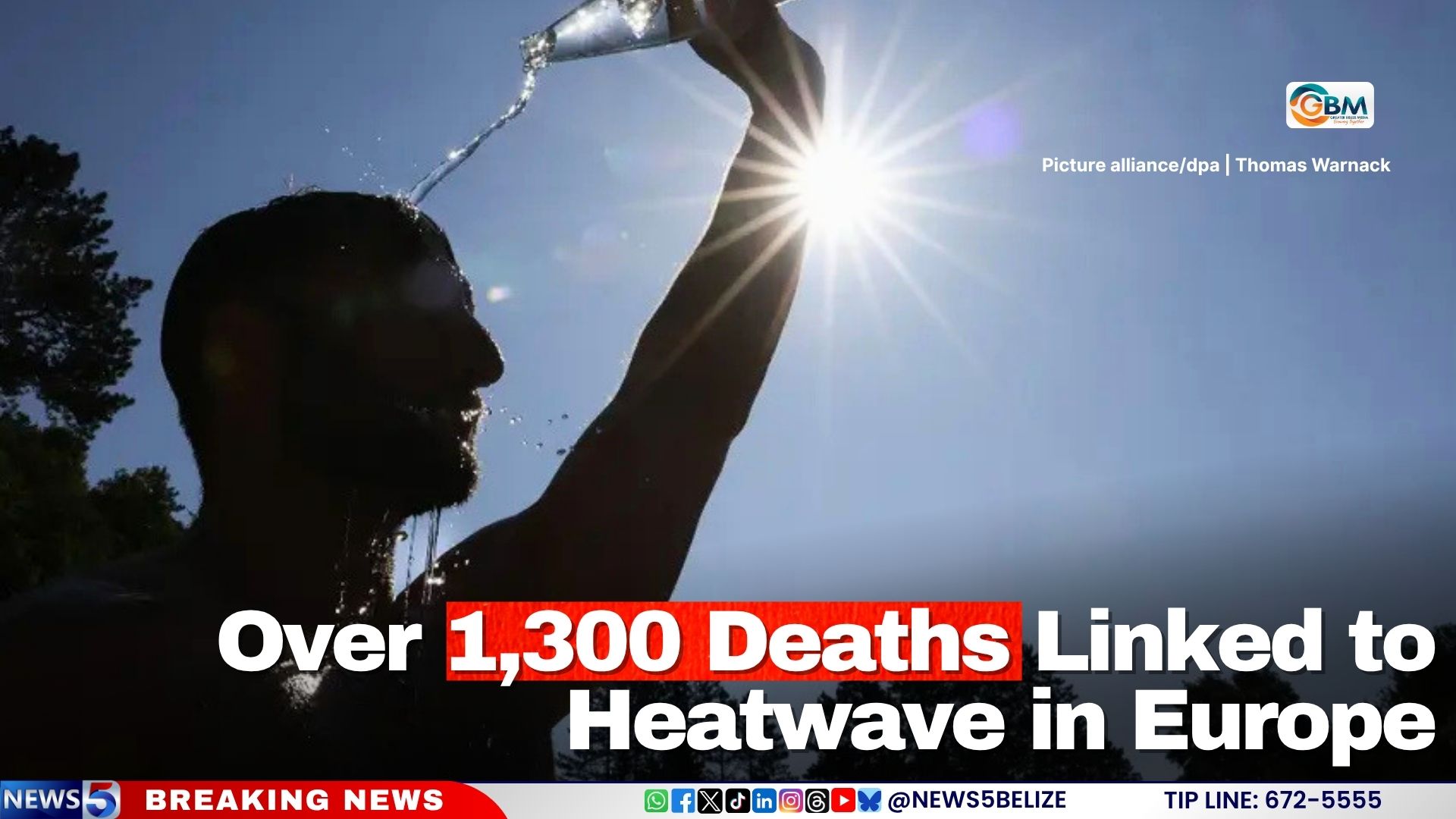
In what has become one of the deadliest early summer heat events in recent European history, a sprawling extreme heatwave sweeping across the continent has been connected to more than 1,300 excess deaths as of late June 2026, according to global health officials. The World Health Organization’s top leader has sounded an urgent alarm over the deadly conditions, highlighting a critical flaw in European infrastructure that has left populations vulnerable to rapidly climbing temperatures.
Dr. Tedros Adhanom Ghebreyesus, Director-General of the WHO, shared the warning in a public post on the social platform X, noting that most residential buildings, commercial workplaces and educational facilities across Europe were never designed to withstand the unprecedented high temperatures that climate change has made increasingly common.
The heatwave has already smashed national temperature records across multiple Central and Western European nations. Germany has marked three straight days of all-time high temperature readings, with a peak of 41.7°C recorded in the country’s eastern region. Neighboring Czechia has recorded temperatures as high as 41.1°C during the event, while Poland hit a new national all-time high of 40.5°C.
France has seen some of the steepest rises in mortality tied to the heat. The country’s health ministry confirmed that roughly 1,000 more people than the seasonal average have died since just the prior Wednesday. The sharpest increase in fatalities has been among people over the age of 65, and the number of people dying at home has jumped 40% compared to typical periods. French officials have also recorded at least 74 drowning deaths since the heatwave began, most occurring when people attempted to cool off in natural bodies of water like rivers and lakes.
Meteorologists have explained the extreme conditions are driven by a persistent “heat dome” weather pattern. This phenomenon occurs when a large mass of high-pressure air becomes trapped over a region. The high-pressure system causes air to sink toward the surface, where it compresses and warms up. The system also blocks the formation of cooling clouds, allowing solar radiation to continue heating the ground and push temperatures even higher over time.