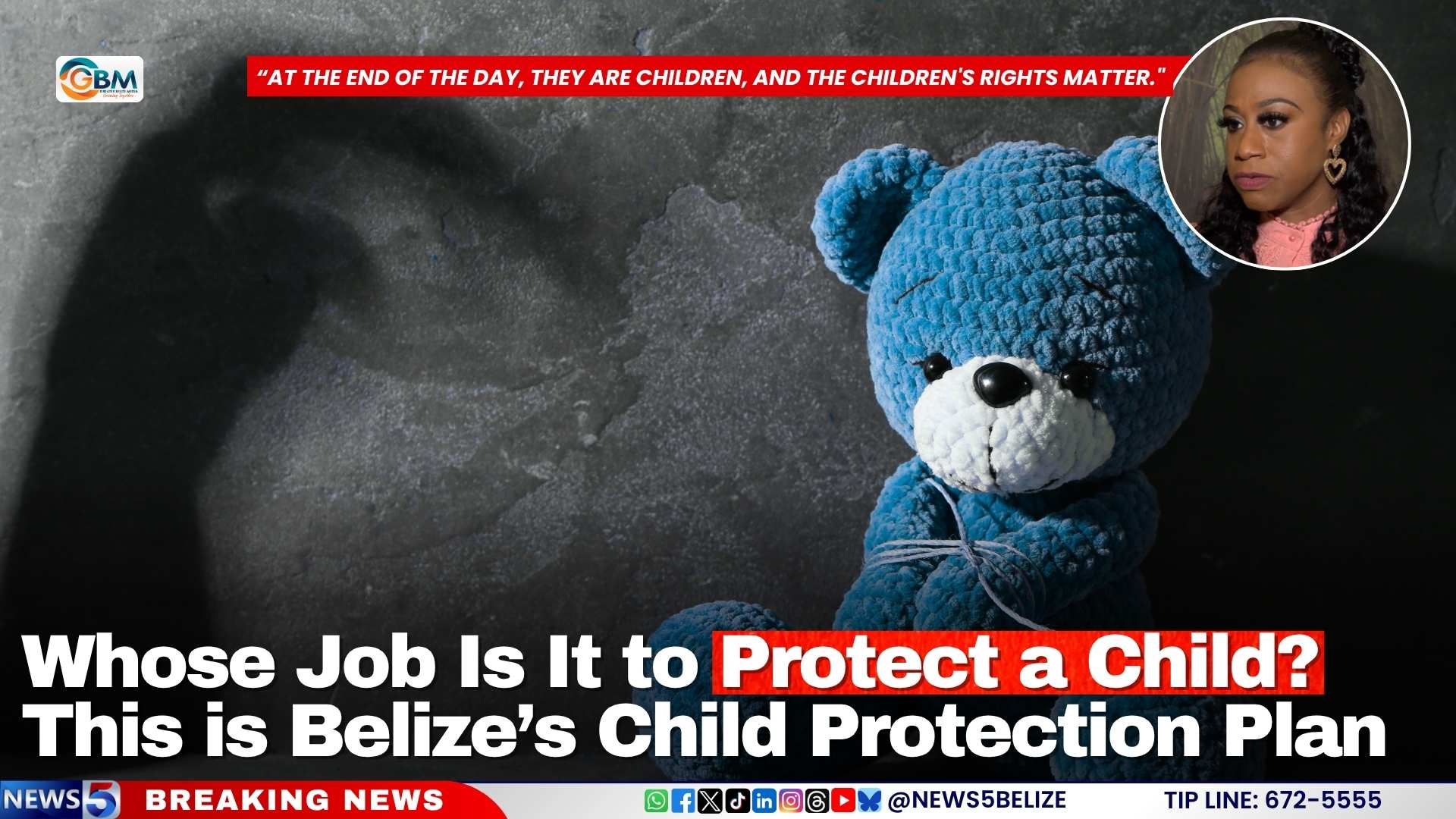
In a landmark shift toward prioritizing youth welfare over punitive justice, Belize’s National Committee for Families and Children (NCFC), in partnership with UNICEF, launched a transformative five-year national Child Protection and Child Justice initiative on June 30, 2026. The new strategy replaces fragmented, reactive approaches to handling children who interact with the justice system — whether as victims, witnesses, or alleged offenders — with a unified, nationwide coordinated framework.
The rollout of the initiative coincided with a Child Justice Guidelines Validation Session held in Belize City, where stakeholders gathered to review and approve core operating rules that center privacy, rehabilitation, and diversionary programming. The overarching goal of these guidelines is to steer young people away from cycles of crime and support their successful reintegration into community life, rather than exposing them to the harms of traditional punitive justice processing.
NCFC Director Shakira Sutherland emphasized that the entire framework is built around centering children’s fundamental rights in every decision-making process. “No matter what role a child has in a legal interaction, their right to protection comes first,” Sutherland explained during the session. “At the end of the day, they are still children, and their rights deserve to be prioritized above all else.”
A key core protection outlined in the new guidelines is the mandatory withholding of personal identifying information for any child involved in legal proceedings. Sutherland noted that this policy protects both the mental and physical well-being of young people, reflecting the country’s new, serious commitment to holistic child safety. Additionally, the framework places significant emphasis on diversion programmes, currently being finalized by Belize’s Department of Human Services and Community Rehabilitation Department. These programmes are designed to give children in conflict with the law an alternative path to traditional court processing and punishment, focusing on rehabilitation rather than penalty.
The validation session included input from a broad range of stakeholders, including parents, children, and youth representatives serving as child parliamentarians. Joselynn Campos, one of the participating child parliamentarians, highlighted that the new guidelines fill a longstanding gap in Belize’s youth protection system. For years, Campos noted, children who came into contact with the law were routinely left in more vulnerable positions due to inadequate, improper handling of their cases. “These guidelines help us truly center the experiences and emotions of these young people, and understand the context behind their actions,” she explained. “That’s a critical change that has been needed for a long time.”
Looking ahead, the next phase of the initiative is full nationwide implementation, a step that Sutherland stressed will require collective buy-in across all levels of Belizean society. Child protection is not the responsibility of a single government agency, she noted: it requires active engagement from parents, local communities, multiple government ministries and departments, and the general public. “This is everybody’s concern,” Sutherland said, framing the new strategy as a shared national commitment to protecting Belize’s most vulnerable young people.